

Table of Contents
- Why Book a Joint Pain Relief Consultation Now
- Understanding Joint Pain Symptoms and Root Causes
- What to Expect at a Regenerative Medicine Consultation
- Questions to Ask a Pain Management Specialist
- How to Choose a Non-Surgical Pain Clinic
- Non-Surgical Treatment Options and Benefits
- Schedule Your Consultation Today
Last Updated: August 21, 2026
Why Book a Joint Pain Relief Consultation Now
Chronic joint pain doesn’t get better on its own. Whether you’ve been managing discomfort for months or years, delaying a professional assessment only extends your suffering and limits your options. The longer you wait, the more compensatory patterns develop in your body, your other joints work harder to protect the painful area, creating a cascade of secondary problems.
A joint pain relief consultation is your first step toward understanding what’s actually driving your discomfort and what non-surgical, drug-free options exist to address it. Many patients assume they’ve exhausted their choices after trying physical therapy or cortisone shots, but regenerative medicine approaches have evolved significantly in recent years. These treatments target the root cause of pain rather than just masking symptoms.
Advanced Health Center specializes in identifying and treating the underlying causes of joint discomfort, whether that’s ligament damage from an auto injury, wear patterns from repetitive work, or age-related changes affecting mobility. With over 40 years of experience managing complex cases, the clinic has helped thousands of patients regain the mobility and quality of life they thought they’d lost.
The best time to book a joint pain relief consultation is when pain first interferes with your daily activities. Early intervention often means faster results and prevents secondary complications from developing.
Understanding Joint Pain Symptoms and Root Causes
Joint pain manifests differently depending on what’s actually causing it. Sharp, stabbing pain during specific movements often indicates ligament or tendon involvement. A dull, constant ache suggests chronic inflammation or degenerative changes. Stiffness that improves with movement points to synovial fluid issues, while pain that worsens throughout the day typically reflects cumulative stress on the joint structure.
Common causes of joint discomfort vary by age and lifestyle. Younger patients often experience pain from acute injuries, car accidents, sports injuries, or workplace trauma. Middle-aged patients frequently deal with repetitive strain injuries from desk work, lifting, or overhead activities. Seniors often face degenerative joint conditions alongside mobility challenges from reduced activity levels.
Diabetic neuropathy represents a different category entirely. This nerve-related pain affects the feet and hands, creating burning sensations or numbness that standard joint treatments don’t address. A pain management specialist understands these distinctions and recommends approaches tailored to your specific condition rather than applying a one-size-fits-all solution.
The critical distinction lies between acute pain and chronic pain patterns. Acute pain signals recent injury and typically resolves within weeks. Chronic pain that persists beyond three months indicates your body has adapted to the injury in ways that require targeted intervention (peer-reviewed research). This is precisely why a diagnostic consultation matters, it clarifies which category you’re in and what treatment approach actually makes sense for your situation.
Understanding your specific pain pattern and root cause is essential before committing to any treatment plan. A proper diagnostic consultation reveals this information and prevents wasted time on approaches that won’t work for your condition.
What to Expect at a Regenerative Medicine Consultation
Your first visit to a regenerative medicine clinic typically lasts 60 to 90 minutes and follows a structured diagnostic process. The consultation begins with a comprehensive history, not just when the pain started, but how your daily activities have changed, what treatments you’ve already tried, and what your goals are for recovery.

After the history, the specialist performs a thorough physical examination, testing range of motion, joint stability, and pain response to specific movements. This hands-on assessment reveals structural issues that imaging sometimes misses. Many patients are surprised how much information a skilled clinician can gather from careful palpation and movement testing.
Depending on what the examination reveals, imaging studies may be ordered, ultrasound, X-rays, or MRI scans to visualize the exact nature of damage. Advanced Health Center uses imaging strategically to confirm clinical findings rather than relying on scans alone. This targeted approach saves time and cost while ensuring treatment recommendations are based on actual structural findings.
The consultation concludes with a detailed explanation of your diagnosis, a clear description of what’s causing your pain, and a treatment plan outlining recommended options. You’ll understand why specific approaches are recommended for your situation and what realistic timelines look like for improvement. This is your opportunity to ask clarifying questions and address any concerns before committing to treatment.
Many clinics rush through consultations without thoroughly examining movement patterns or explaining findings clearly. A quality joint pain relief consultation takes time and leaves you fully informed about your condition and options.
Questions to Ask a Pain Management Specialist
Asking the right questions during your consultation ensures you make informed decisions about your care. Start by asking what specifically is causing your pain, request a clear explanation you can understand, not medical jargon. A good specialist translates findings into practical language: "Your rotator cuff tendon has micro-tears" is clearer than "you have supraspinatus pathology."
Ask about the specialist’s experience with your specific condition. How many patients with your diagnosis has the clinic treated? What outcomes have they seen? This matters because experience directly correlates with better results. A clinic managing auto injury cases for over 40 years has encountered variations and complications that newer practices haven’t.
Inquire about the non-surgical treatment options available and why certain approaches are recommended for your case. What does each treatment involve? How often will you need appointments? What should you expect to feel during and after treatment? Understanding the practical logistics prevents surprises later.
Address the timeline question directly: "How long typically before I notice improvement?" and "When can I return to normal activities?" Realistic timelines vary based on the severity of your condition and how your body responds, but a specialist should give you ballpark expectations based on similar cases they have treated.
Ask about insurance coverage and what costs you can expect. While specific pricing depends on your individual treatment plan, you deserve transparency about whether your insurance covers regenerative medicine approaches and what out-of-pocket expenses you might face. Ask about payment options if costs exceed coverage.
Finally, ask what happens if the recommended treatment doesn’t produce the expected results. Does the clinic have a plan for adjusting your approach? Understanding the contingency plan gives you confidence that the specialist is committed to your recovery, not just selling a single treatment.
How to Choose a Non-Surgical Pain Clinic
Selecting the right non-surgical pain clinic requires evaluating several key factors beyond location and convenience. Experience matters significantly, a clinic managing complex cases for decades has refined their diagnostic skills and treatment protocols through thousands of patient interactions. Look for clinics that specialize in your specific condition rather than offering generic pain management to everyone.
The clinic’s approach to diagnosis reveals its quality. Do they rely primarily on imaging and scans, or do they combine imaging with thorough physical examination? A clinic that emphasizes careful movement assessment and hands-on evaluation typically provides more accurate diagnoses than one that orders extensive imaging without clinical correlation.
Patient outcomes and testimonials provide insight into what you can realistically expect. Video testimonials from patients with similar conditions offer authentic perspectives on the treatment experience and results. Look for patterns in feedback, if multiple patients mention significant improvement in mobility or pain reduction, that’s meaningful evidence.
The clinic’s philosophy toward treatment matters. Do they focus on addressing root causes or just managing symptoms? Advanced Health Center’s approach emphasizes fixing underlying structural issues rather than providing temporary relief through injections or medications. This distinction affects both short-term experience and long-term outcomes.
Book your consultation today! →
Staff expertise and patient-centered care should be evident during your consultation. A quality clinic takes time to explain findings, answers your questions thoroughly, and treats you as a partner in your recovery rather than a passive recipient of treatment. The way you’re treated during your first visit reflects how you’ll be treated throughout your care.
Finally, verify that the clinic accepts your insurance or offers transparent pricing. Understanding financial arrangements upfront prevents frustration later. A clinic willing to discuss costs openly and work with your insurance demonstrates respect for your situation.
Non-Surgical Treatment Options and Benefits
Non-surgical approaches to joint pain relief have expanded considerably in recent years, offering alternatives to the traditional cortisone injection cycle. Regenerative medicine treatments work by stimulating your body’s natural healing mechanisms rather than suppressing inflammation or masking pain.
Platelet-rich plasma (PRP) therapy concentrates healing components from your own blood and injects them into damaged tissues (peer-reviewed research). This approach accelerates the natural repair process for tendons, ligaments, and cartilage. Patients typically experience gradual improvement over weeks as new tissue formation progresses.
Stem cell therapy harnesses cells with the capacity to become specialized tissue types (the NIH). When injected into damaged joints, these cells can differentiate into cartilage, tendon, or ligament tissue, potentially reversing degenerative changes. This approach shows particular promise for patients with significant cartilage loss who want to avoid joint replacement surgery.
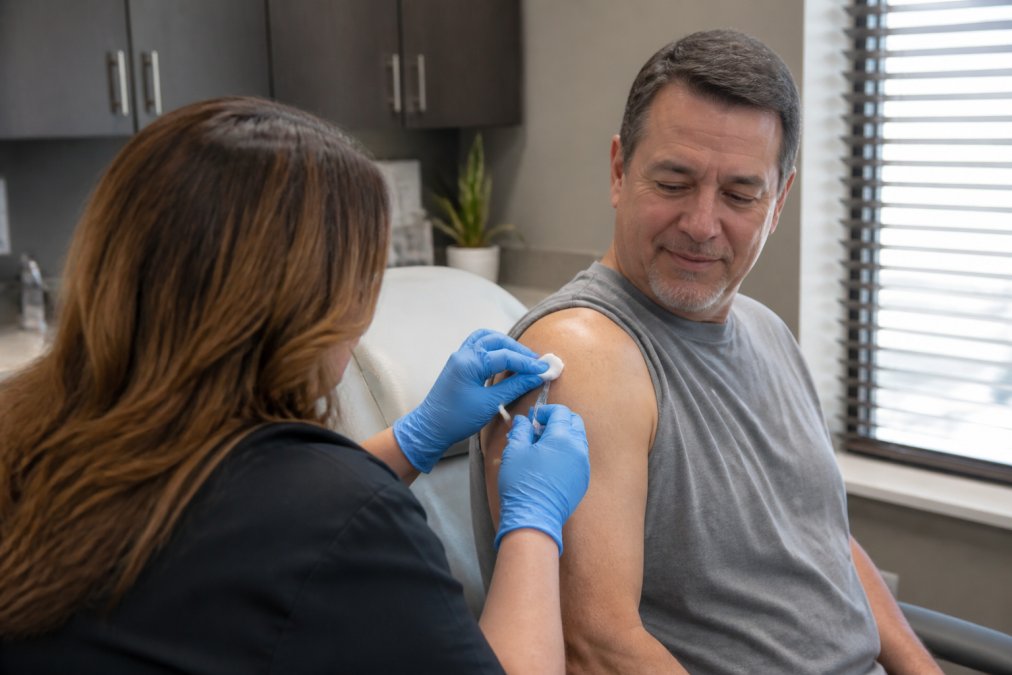
Prolotherapy stimulates healing by creating controlled inflammation in damaged ligaments and tendons. Multiple injections over several months strengthen connective tissue and restore joint stability. This approach works particularly well for ligament injuries and chronic instability issues.
Physical therapy remains a cornerstone of non-surgical treatment, particularly when combined with regenerative approaches. Targeted exercises restore strength, improve movement patterns, and prevent compensatory injuries. The combination of regenerative treatment plus structured physical therapy typically produces better outcomes than either approach alone.
Anti-inflammatory nutrition and lifestyle modifications support healing at the cellular level. Reducing processed foods, increasing omega-3 intake, and maintaining healthy weight all reduce systemic inflammation and support joint recovery. These changes take time but provide long-term benefits beyond pain relief.
The benefits of non-surgical approaches extend beyond pain reduction. Patients regain mobility, return to activities they enjoy, and avoid the complications associated with surgery, infection risk, anesthesia complications, prolonged recovery periods, and the potential for surgical failure requiring revision procedures. Most importantly, non-surgical treatments address root causes rather than creating dependency on pain medications or repeated injections.
Active adults who want to maintain or restore mobility without surgery, patients who have failed conservative treatments but want to avoid surgical risks, individuals seeking drug-free pain management, and seniors looking to continue hobbies and activities they enjoy.
Schedule Your Consultation Today
Taking action begins with a single step: booking your joint pain relief consultation. This initial appointment costs far less than ongoing pain management or surgical intervention, and it provides clarity about your condition and realistic options for recovery. Many patients delay this step, hoping pain will resolve on its own, only to find that months of inactivity create additional problems.
Advanced Health Center offers same-week consultation appointments for new patients, recognizing that pain doesn’t wait for convenient scheduling. The consultation process is straightforward: call to schedule, arrive 15 minutes early for intake paperwork, and plan for a 60 to 90 minute appointment.
During your consultation, bring a list of previous treatments you’ve tried, any imaging results you have, and information about your insurance coverage. This information helps the specialist understand your full medical history and provide accurate cost estimates. If you’re uncertain about what to bring, the clinic’s staff can guide you when you schedule.
While specific pricing depends on your individual treatment plan, you deserve transparency about whether your insurance covers regenerative medicine approaches and what out-of-pocket expenses you might face. This cost is substantially less than the ongoing expense of managing untreated pain, missed work days, additional medical visits, and the quality-of-life impact of chronic discomfort.
Many patients find that the consultation alone provides valuable perspective. Understanding what’s actually causing your pain, knowing your options, and having a clear treatment plan reduces anxiety and provides hope for recovery. You’ll leave the appointment with concrete next steps and realistic expectations about your path forward.
Chronic joint pain limits your life in ways that extend far beyond physical discomfort. It affects your mood, your relationships, your work performance, and your ability to enjoy activities you love. The good news is that effective non-surgical options exist, and many patients experience significant improvement with the right treatment approach.
Advanced Health Center’s 40-year track record managing complex pain cases, combined with specialized expertise in regenerative medicine and non-surgical treatment, positions the clinic as a trusted resource for patients seeking alternatives to drugs and surgery. The clinic’s multi-faceted approach addresses root causes rather than symptoms, helping patients regain genuine mobility and quality of life.
Your next step is straightforward: book your joint pain relief consultation today and discover how personalized, non-surgical care can help you escape chronic pain and return to the activities that matter most.
Frequently Asked Questions
How do I know if I need to book a joint pain relief consultation?
If you've experienced joint pain lasting more than a few weeks, tried standard treatments without lasting relief, or want to avoid surgery, a consultation is your first step. Advanced Health Center's diagnostic evaluation identifies the root cause of your pain and determines whether regenerative medicine approaches are right for you. Many patients book after physical therapy, cortisone shots, or other treatments haven't delivered the results they hoped for.
What should I prepare before my first pain management consultation?
Bring your medical history, current medications, and any imaging results (X-rays, MRI scans). Write down when your pain started, what makes it worse or better, and how it affects your daily activities. If you've seen other specialists, bring those notes. Come with specific questions about your condition and treatment goals. This preparation helps your pain management specialist create a truly personalized treatment plan tailored to your needs.
What happens if regenerative medicine treatment doesn't work for my joint pain?
Advanced Health Center takes a patient-centered approach to your musculoskeletal health. During your consultation, your specialist will honestly assess whether regenerative medicine is appropriate for your condition. If treatment doesn't produce expected results, your provider works with you to adjust the approach or explore alternative non-surgical options. The goal is functional recovery and pain reduction, your specialist is committed to finding what works for your specific situation.
Can I book a same-week appointment for my joint pain consultation?
Yes. Advanced Health Center offers same-week appointments to get you relief faster. Call or use the online booking system to check availability. Many patients with acute pain from auto injuries or flare-ups are scheduled within days. Early intervention often leads to better outcomes, so don't delay if you're experiencing significant joint stiffness or pain that's limiting your mobility and quality of life.
This article was written using GrandRanker