

Table of Contents
- Why Physical Therapy Can Cause Soreness
- Normal Soreness vs. Pain That Signals a Problem
- Immediate Pain Management at Home
- Regenerative Medicine for Chronic Pain
- Failed Physical Therapy: Next Steps Forward
- Non-Surgical Pain Relief Options to Consider
- Graded Exercise and Activity Pacing
- Sleep, Stress, and the Psychology of Pain Recovery
Last Updated: August 22, 2026
Why Physical Therapy Can Cause Soreness
Soreness after physical therapy isn’t always a sign something went wrong. When a therapist works on tight muscles, stiff joints, or chronic pain, they create controlled stress on tissue that’s been underused or damaged, triggering an inflammatory response as your body begins healing.
Delayed onset muscle soreness, or DOMS, is normal tissue recovery. Your muscles experience microscopic tears during therapeutic exercise and manual therapy. The inflammation that follows signals adaptation, new muscle fibers are being built, collagen is laid down in damaged soft tissue, and range of motion is improving.
Therapeutic soreness feels like a dull ache or muscle tightness that improves within 48-72 hours, localized to the treated area (peer-reviewed research). You can still move through it, even if uncomfortable. This is your tissue responding positively to intervention.
Many patients recovering from chronic pain experience initial discomfort because their bodies are relearning how to move. If you’ve been limiting motion due to pain, your nervous system has adapted to that restriction. When a therapist reintroduces movement and tissue mobilization, your neuromuscular system needs time to recalibrate.
The soreness you feel 12-48 hours after therapy is typically peak DOMS, not a reason to stop treatment ([peer-reviewed research](https://pubmed.ncbi.nlm.nih.gov/12617692/)). This is when your body is actively rebuilding tissue and establishing new neural pathways for movement.
Normal Soreness vs. Pain That Signals a Problem
Understanding the difference between normal therapeutic soreness and pain indicating a problem is critical for managing chronic pain after physical therapy.
Normal soreness is dull and achy rather than sharp, appears 12-48 hours after treatment, affects the treated muscle or joint, improves with gentle movement, and decreases over 3-5 days. You can still perform daily activities.
Pain signaling a problem feels different. Sharp, stabbing pain during or immediately after therapy suggests tissue irritation. Pain worsening over several days indicates overtreatment. Pain in untreated areas may signal compensation patterns. Swelling that increases rather than decreases, heat in the joint, or loss of range of motion warrant communication with your therapist.
Red flags requiring immediate attention include severe pain preventing sleep, visible swelling not resolving within 24 hours, spreading numbness or tingling, or pain accompanied by fever.
Many patients with chronic pain develop anxiety around discomfort, interpreting normal soreness as setback when it’s actually progress. This anxiety triggers muscle guarding, perpetuating the pain cycle. Recognizing this pattern helps you distinguish between body signals and fear-based responses.
If pain is sharp, localized, or worsens consistently over days rather than improving, contact your therapist immediately. Continuing through genuine injury pain will set back your recovery.
Immediate Pain Management at Home
The first 48-72 hours after physical therapy are critical for managing inflammation and supporting tissue healing.
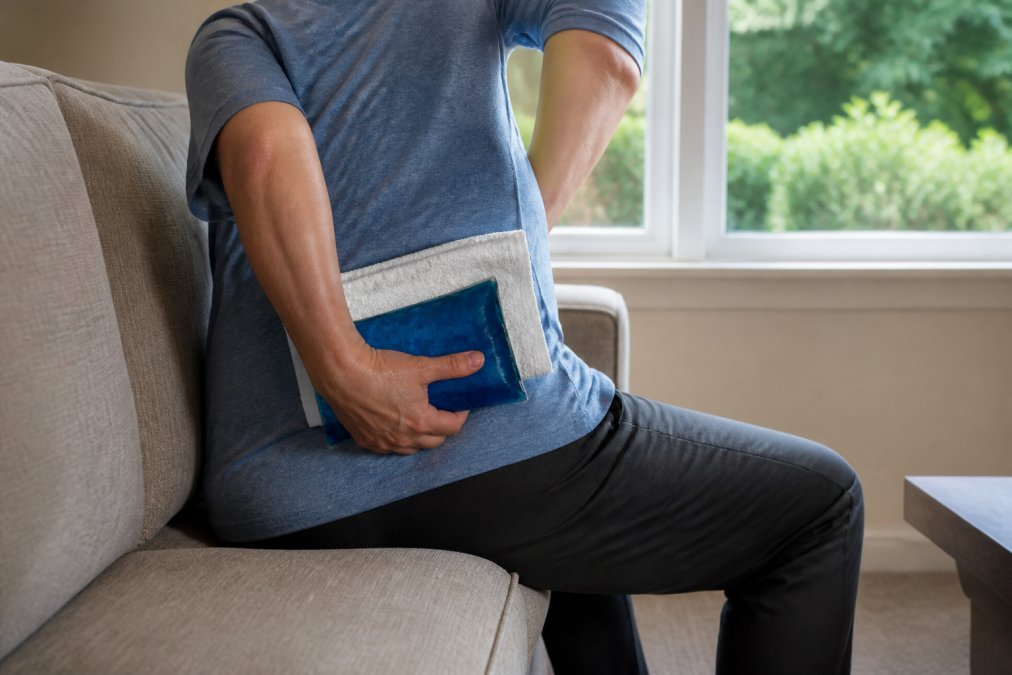
Ice vs. Heat: When to Use Each
Ice is your primary tool immediately after therapy. Cold reduces inflammation, numbs pain signals, and slows metabolic activity in irritated tissue. Apply ice for 15-20 minutes every 2-3 hours during the first 48 hours, using a towel barrier between ice and skin (apta.org).
Heat becomes useful around 72 hours post-treatment, increasing blood flow to promote nutrient delivery and tissue repair. Use heat for 15-20 minutes at a time.
If unsure whether to ice or heat, ice is the safer choice. Some patients benefit from contrast therapy, alternating 3 minutes of cold with 3 minutes of heat for 15-20 minutes total, starting and ending with cold.
Hydration and Recovery Nutrition
Tissue healing demands resources your body delivers through blood. Dehydration reduces blood volume and slows nutrient delivery. Drink adequate water throughout the day, especially in the 24-48 hours after therapy.
Electrolytes matter alongside water. Sodium, potassium, and magnesium support muscle function and reduce cramping. Foods like bananas, coconut water, or bone broth provide electrolytes naturally.
Protein supports tissue repair. Your body uses amino acids to build new muscle fibers and collagen. Aim for protein at each meal, chicken, fish, eggs, legumes, or dairy all work.
Anti-inflammatory foods support your body’s healing response. Fatty fish rich in omega-3s, berries, leafy greens, and turmeric have compounds that modulate inflammation.
Sleep is when most tissue repair happens. Growth hormone peaks during deep sleep. If pain disrupts sleep, discuss this with your therapist or physician.
The 72 hours immediately after physical therapy are when your body is most actively repairing tissue. Ice, hydration, protein, and sleep are the non-negotiable foundations of recovery during this window.
Regenerative Medicine for Chronic Pain
When traditional physical therapy plateaus, regenerative medicine offers another approach to chronic pain after physical therapy by stimulating your body’s own healing mechanisms rather than masking pain.
Regenerative approaches focus on addressing the root cause of pain. Common options include platelet-rich plasma therapy, which concentrates growth factors from your own blood to stimulate tissue healing, and stem cell therapy, which harnesses undifferentiated cells to reduce inflammation and promote regeneration.
These treatments work best combined with therapeutic exercise and activity pacing. Regenerative medicine creates the biological environment for healing; movement teaches your tissue to function correctly. Neither alone is sufficient for lasting pain relief.
The timeline differs from physical therapy. You typically see initial improvements in 2-4 weeks, with continued progress over 3-6 months. This requires patience and consistent engagement with your recovery program.
Failed Physical Therapy: Next Steps Forward
If you’ve completed physical therapy and chronic pain persists, the approach needs adjustment.
First, assess whether you completed the program as prescribed. Many patients stop too early, before tissue fully adapts, or stop attending but don’t continue home exercises. Inconsistent engagement limits results.
Second, consider whether the initial diagnosis was accurate. Pain can originate from multiple sources. Low back pain might stem from hip tightness, core weakness, or spinal mobility restrictions. If your therapist addressed one area but the real problem was elsewhere, pain persists.
Third, evaluate whether daily habits are undoing therapy progress. If you spend 8 hours hunched over a desk, return to poor posture, or avoid activity due to fear, physical therapy alone can’t overcome these patterns. Lasting pain relief requires changing the behaviors that created the problem.
Book your consultation today! →
When conventional physical therapy hasn’t resolved chronic pain, regenerative medicine combined with functional movement retraining often succeeds where therapy alone didn’t. This multi-faceted approach addresses both tissue healing and movement patterns.
Non-Surgical Pain Relief Options to Consider
Beyond physical therapy and regenerative medicine, several evidence-based approaches can reduce chronic pain after physical therapy.
Manual therapy techniques like soft tissue massage and myofascial release address muscle tightness and trigger points, improving blood flow and enhancing range of motion. Joint mobilization restores mobility when stiffness limits function.
Neuromuscular re-education teaches your nervous system to control movement efficiently. Pain often causes your brain to "forget" how to use certain muscles properly. Re-education reestablishes neural pathways through repetitive, controlled movement.
Ultrasound therapy and electrical stimulation can reduce inflammation and pain in specific tissues, working best as adjuncts to exercise rather than replacements.
Mind-body approaches matter significantly. Chronic pain involves both tissue damage and nervous system sensitization. Guided imagery, breathing exercises, and progressive muscle relaxation reduce pain perception by calming your nervous system’s threat response.
The most effective approach combines multiple modalities: physical therapy for movement and strength, manual therapy for tissue restrictions, regenerative medicine for healing stimulation, and behavioral strategies for nervous system regulation.
Graded Exercise and Activity Pacing
Learning to exercise appropriately without triggering flare-ups is essential for managing chronic pain after physical therapy.

Graded exercise means gradually increasing intensity, duration, or frequency as tolerance improves. This isn’t about pushing through pain, it’s about finding your current capacity and incrementally expanding it. If walking 10 minutes causes a flare-up, start with 8 minutes. Once manageable for 3-4 sessions, increase to 9 minutes.
Activity pacing prevents the boom-bust cycle that perpetuates chronic pain. Maintain consistent, moderate activity even on good days. This teaches your nervous system that movement is safe.
Pain during exercise exceeding 3-4 out of 10 suggests you’re working too hard. Pain worse the next day indicates overexertion. Ideal exercise produces mild soreness resolving within 24 hours.
Functional movement matters more than arbitrary exercise. If your goal is golfing twice weekly, training should progress toward that specific activity.
Recovery between sessions allows tissue to repair and strengthen. Space intense sessions 48 hours apart for the same movement pattern.
Track your activity and pain levels for one week. You’ll identify patterns, movements that trigger flare-ups, times when pain is worse, or activities that feel manageable. This data guides your pacing strategy far better than generic advice.
Sleep, Stress, and the Psychology of Pain Recovery
Chronic pain after physical therapy isn’t purely physical. Your nervous system, sleep quality, and stress levels directly influence pain perception and healing capacity.
Sleep deprivation amplifies pain. When sleep-deprived, your nervous system becomes hypervigilant, more sensitive to pain signals. Growth hormone, which drives tissue repair, peaks during deep sleep. Inadequate sleep means less healing and disrupted sleep from pain creates a vicious cycle.
Improving sleep requires addressing pain and sleep hygiene. Keep your bedroom cool, dark, and quiet. Avoid screens 30-60 minutes before bed. Establish consistent sleep schedules. If pain prevents sleep, discuss adjusting exercise timing or using ice before bed.
Stress and anxiety amplify chronic pain. Stress hormones increase inflammation. Anxiety triggers muscle guarding, perpetuating pain. Fear of pain often becomes more limiting than pain itself.
Patients who catastrophize about pain recover more slowly. Those maintaining realistic expectations and viewing soreness as part of healing progress faster.
Cognitive reframing helps. Instead of "This pain means something is wrong," try "This soreness is my body healing." Instead of "I can’t exercise because of pain," try "I can exercise at a level my body can tolerate right now."
Tracking progress beyond pain levels maintains motivation. Measure range of motion, walking distance, or sitting duration. These metrics often improve before pain fully resolves.
If you’ve tried physical therapy and chronic pain persists, the problem likely isn’t that nothing works, it’s that you haven’t found the right combination of treatments for your specific situation. Advanced Health Center specializes in identifying why conventional approaches haven’t resolved your pain and designing a multi-faceted treatment plan addressing the root cause. With over 40 years of experience managing complex chronic pain cases, we empower our patients to regain their health through proven, holistic therapies. Book your consultation today to discover how our personalized, regenerative approach can help you regain the mobility and quality of life you’ve been missing.
Frequently Asked Questions
Why does chronic pain persist after completing physical therapy?
Chronic pain after physical therapy can persist for several reasons: tissue healing takes longer than expected, the root cause was not fully addressed, or activity was resumed too quickly. Sometimes inflammation lingers even after therapeutic exercise reduces acute soreness. Other factors like sleep quality, stress levels, and hydration significantly affect recovery time. If pain persists beyond 4-6 weeks post-therapy, it may signal that a different treatment approach is needed.
What should I do if physical therapy makes my pain worse?
First, distinguish between normal delayed onset muscle soreness (DOMS) and sharp, worsening pain. Normal soreness peaks 24-48 hours after therapy and improves with ice, rest, and gentle movement. If pain intensifies beyond this window or feels different, stop the exercises and contact your therapist immediately. They can modify your program, reduce intensity, or recommend non-surgical pain relief options like regenerative medicine to address underlying tissue damage.
Are there non-surgical alternatives to physical therapy for chronic pain?
Yes. Non-surgical pain relief options include regenerative medicine therapies that target tissue healing at the source, manual therapy techniques like myofascial release and joint mobilization, soft tissue massage, and activity pacing combined with graded exercise. Some patients benefit from ultrasound therapy or electrical stimulation to reduce inflammation and improve range of motion. A consultation can determine which combination works best for your specific condition and pain history.
How long does it typically take to see results from regenerative medicine for chronic pain?
Results from regenerative medicine vary by condition and individual healing capacity. Many patients report reduced pain and improved functional movement within 2-4 weeks, though full tissue healing may take 8-12 weeks or longer. Chronic pain cases often show gradual improvement rather than immediate relief. Consistent activity pacing, hydration, sleep hygiene, and follow-up appointments support faster recovery. Your therapist can track progress beyond pain levels by monitoring range of motion, strength, and daily activity tolerance.
This article was written using GrandRanker