

Table of Contents
- Understanding Non-Surgical Relief for Chronic Back Pain
- Physical Therapy and Therapeutic Exercise
- Exercises for Chronic Lower Back Pain Relief
- How Regenerative Medicine for Back Pain Works
- How Long Does It Take for Back Pain to Heal Without Surgery
- Additional Non-Surgical Treatment Options
- Creating Your Personalized Non-Surgical Treatment Plan
- Conclusion
Last Updated: August 18, 2026
Understanding Non-Surgical Relief for Chronic Back Pain
Chronic back pain affects millions of people, disrupting work, hobbies, and daily life. The good news: you don’t need surgery to find meaningful relief. Non-surgical relief for chronic back pain has become increasingly sophisticated, combining physical therapy, regenerative medicine, lifestyle changes, and targeted interventions that address the root cause rather than masking symptoms.
Many people assume that persistent back pain requires surgery. That assumption often leads them down an expensive, risky path with lengthy recovery times and no guarantee of success. The reality is different. Most chronic back conditions respond well to non-surgical approaches when they’re tailored to your specific situation and applied consistently.
Advanced Health Center specializes in exactly this kind of personalized, non-surgical approach. With over 40 years of experience managing complex back pain cases, the team focuses on treatments that restore function and eliminate pain without drugs or surgical intervention. This guide walks you through the proven methods that work, how they function, and how to build a treatment plan that fits your life.
Physical Therapy and Therapeutic Exercise
Physical therapy forms the foundation of effective non-surgical relief for chronic back pain. It works because it addresses the underlying mechanical and muscular issues driving your pain, rather than temporarily masking discomfort.
A skilled physical therapist evaluates your movement patterns, identifies muscle imbalances, and designs exercises that restore proper function. The process typically begins with gentle range-of-motion work, progresses to strengthening exercises, and eventually includes functional movements that mimic activities you do daily. This progression prevents re-injury and builds lasting stability.
The key insight most people miss: you’re not just exercising to "get stronger." You’re retraining your nervous system and musculature to move correctly. When your core muscles are weak or your spine lacks proper support, surrounding muscles compensate by working overtime. This compensation pattern creates chronic tension and pain. Physical therapy breaks that cycle.
Treatment usually involves 2-3 sessions per week initially, with frequency decreasing as you improve and learn to perform exercises at home. Many patients see meaningful progress within 4-6 weeks, though more significant improvements typically emerge over 8-12 weeks of consistent work.
The most common mistake is stopping physical therapy too early. Many people feel better after a few weeks and quit, only to have pain return when they resume normal activities. Stick with your program through the full recommended duration, that’s when lasting changes take hold.
Exercises for Chronic Lower Back Pain Relief
Specific exercises for chronic lower back pain relief target the muscles and movement patterns that stabilize your spine. The most effective ones are deceptively simple, which is precisely why they work.
Core strengthening forms the cornerstone of exercise-based relief. Your core isn’t just your abs, it’s the deep abdominal muscles, back muscles, and pelvic floor that work together to stabilize your spine during movement. When these muscles are weak or uncoordinated, your spine lacks support and surrounding muscles overcompensate.
Effective exercises include modified planks (starting on your knees if needed), bird dogs (alternating arm and leg extensions while on hands and knees), and dead bugs (lying on your back, moving opposite arm and leg). These exercises build stability without excessive loading. They’re safe to perform at home and require no equipment.
Flexibility work matters equally. Tight hip flexors, hamstrings, and calf muscles pull on your spine and alter your posture. Gentle stretching, held for 20-30 seconds, performed daily, restores the range of motion your spine needs to move without pain.
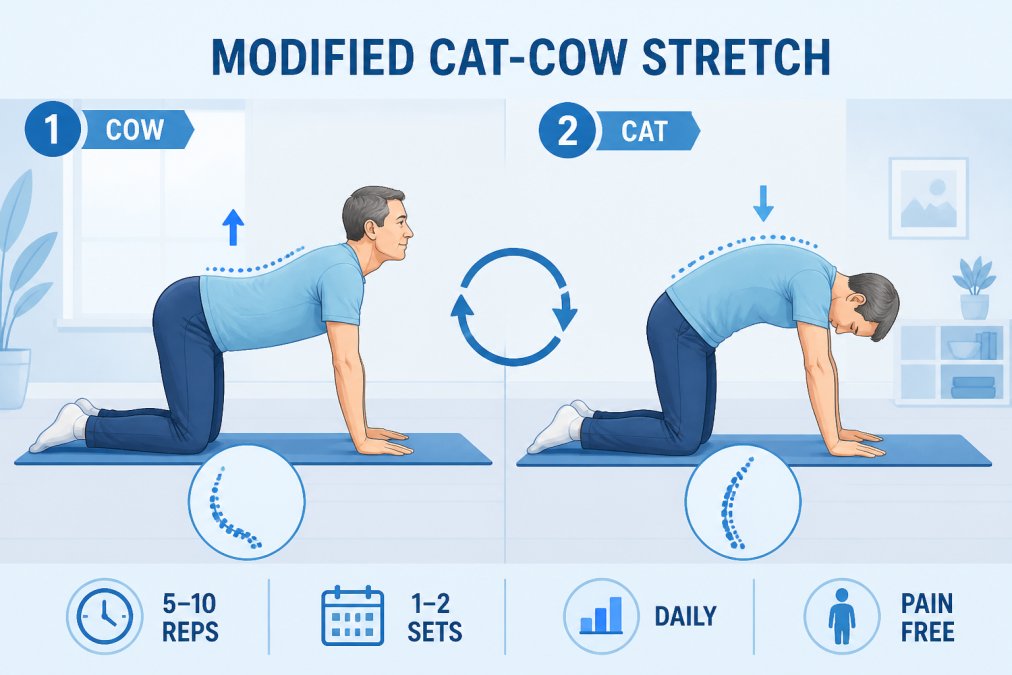
The progression matters. Start with basic movements performed slowly and controlled. Once you can perform exercises with perfect form for the prescribed repetitions, gradually increase difficulty. This might mean holding a plank longer, adding resistance bands, or progressing to single-leg variations.
Many people find that 15-20 minutes of targeted exercises, performed 5-6 days per week, produces better results than occasional longer sessions. Consistency beats intensity when you’re retraining movement patterns.
The best exercise for your back is the one you’ll actually do. If you hate planks, you won’t do them. Work with a physical therapist to find exercises that feel tolerable and fit your lifestyle, adherence matters more than choosing the “perfect” routine.
How Regenerative Medicine for Back Pain Works
Regenerative medicine represents a fundamentally different approach to chronic pain. Rather than removing tissue (surgery) or masking pain (medication), regenerative treatments stimulate your body’s natural healing mechanisms to repair damaged structures.
The most common regenerative approaches include platelet-rich plasma (PRP) therapy and stem cell treatments. PRP involves concentrating platelets from your own blood and injecting them into damaged tissue. Platelets contain growth factors that signal your body to increase healing activity in that area. Stem cell therapy uses cells capable of developing into specialized tissue types, promoting repair of damaged discs, ligaments, or joints.
These treatments work best for specific conditions: degenerative disc disease, facet joint arthritis, ligament sprains, and muscle tears. They’re less effective for nerve compression or severe structural damage. This is why proper diagnosis matters, you need imaging and clinical evaluation to determine whether regenerative medicine is appropriate for your situation.
The treatment timeline differs from surgery. Rather than immediate relief followed by recovery, regenerative treatments typically require 2-4 weeks before you notice improvement. Full healing takes 3-6 months as your body gradually rebuilds damaged tissue. During this period, you continue physical therapy to support the healing process and prevent re-injury.
Advanced Health Center uses regenerative medicine as part of a comprehensive approach, combining it with physical therapy, lifestyle modifications, and other non-surgical treatments. This multi-faceted strategy addresses both the immediate pain and the underlying causes.
Regenerative medicine isn’t a shortcut that eliminates the need for exercise and lifestyle change. It works best when combined with physical therapy and ergonomic modifications. Expecting regenerative treatment alone to solve chronic pain, without addressing movement patterns and daily habits, typically leads to disappointment.
How Long Does It Take for Back Pain to Heal Without Surgery
The timeline for non-surgical relief for chronic back pain varies significantly based on the underlying condition, treatment intensity, and your adherence to the program. Understanding realistic expectations prevents discouragement and improves outcomes.
For acute injuries or recent-onset pain, many people see substantial improvement within 4-6 weeks. This is when initial inflammation decreases, pain medication becomes less necessary, and movement becomes easier. However, this isn’t full healing, it’s the beginning of the recovery process.
For chronic pain that’s persisted for months or years, expect a longer timeline. Your nervous system has adapted to the pain signal, movement patterns have become ingrained, and tissue damage may be significant. Meaningful improvement typically takes 8-12 weeks with consistent treatment. Substantial improvement, returning to activities you’ve avoided, often takes 4-6 months. Complete healing can take 6-12 months or longer.
The variables that influence timeline include:
- Severity of tissue damage (mild strains heal faster than degenerative disc disease)
- Duration of pain (recent pain responds faster than chronic pain)
- Your age and overall health
- Treatment intensity and frequency
- Adherence to home exercises and lifestyle modifications
- Whether you continue activities that aggravate your condition
One common mistake: judging progress too early. Many people expect dramatic improvement within 2-3 weeks. When that doesn’t happen, they abandon the program. In reality, the first 3-4 weeks are about reducing inflammation and beginning movement retraining. Substantial functional improvement comes later.
Advanced Health Center has helped over 10,000 patients navigate this timeline, adjusting treatment intensity based on individual response. Some progress quickly; others require patience and persistence. The key is staying committed to the program even when progress feels slow.
Book your consultation today! →
Additional Non-Surgical Treatment Options
Beyond physical therapy and regenerative medicine, several other non-surgical approaches effectively reduce chronic back pain. The best strategy combines multiple methods tailored to your specific condition.
Over-the-Counter Medications and Anti-Inflammatory Approaches
Over-the-counter nonsteroidal anti-inflammatory drugs (NSAIDs) like ibuprofen and naproxen reduce inflammation and provide short-term pain relief. They’re most effective for acute flare-ups rather than long-term chronic pain management.
An anti-inflammatory diet supports pain reduction from within. Foods rich in omega-3 fatty acids (fish, flaxseed, walnuts), colorful vegetables high in antioxidants, and spices like turmeric reduce systemic inflammation. This approach takes weeks to show effects but addresses inflammation at a cellular level.
Muscle relaxants prescribed by a physician can help break the pain-spasm cycle when muscles are severely tight. However, they’re best used short-term, prolonged use leads to dependency and doesn’t address underlying causes.
Heat and Cold Therapy
Heat therapy increases blood flow and relaxes tight muscles. It’s most effective for muscle tension and stiffness. Apply heat for 15-20 minutes using a heating pad or warm shower, especially before exercise or stretching.
Cold therapy reduces inflammation and numbs sharp pain. It works best immediately after injury or during acute flare-ups. Apply ice for 10-15 minutes several times daily during the first few days of pain.
Many people benefit from alternating heat and cold: ice immediately after activity that aggravates pain, then heat before stretching or exercise.
Acupuncture and Alternative Therapies
Acupuncture has gained recognition for chronic pain management. Research suggests it stimulates nerve endings and promotes release of endorphins, the body’s natural pain-relieving chemicals. Treatments typically involve weekly sessions over 4-8 weeks.
Biofeedback teaches you to recognize and control physical responses to pain. By monitoring muscle tension or heart rate, you learn to consciously relax tense muscles and reduce your pain response. This mind-body technique works well combined with physical therapy.
Massage therapy reduces muscle tension and improves circulation. Professional massage, performed 1-2 times monthly, complements physical therapy. Self-massage using foam rollers or massage balls between professional sessions extends benefits.
Ergonomics and Lifestyle Modifications
Your daily environment either supports or sabotages your recovery. An ergonomic workspace prevents repetitive strain that aggravates back pain. Monitor position matters: your screen should be at eye level, keyboard and mouse close to your body, and chair supporting your natural spine curves.
Sleep position significantly impacts back pain. Sleeping on your side with a pillow between your knees maintains spinal alignment. Sleeping on your back with a pillow under your knees also works. Stomach sleeping twists your spine and should be avoided.
Activity modification during recovery prevents re-injury. This doesn’t mean bed rest, movement is healing. It means avoiding heavy lifting, excessive bending, or repetitive motions that aggravate your specific condition. Your physical therapist will specify which movements to avoid and when you can gradually resume them.
Creating Your Personalized Non-Surgical Treatment Plan
Effective non-surgical relief for chronic back pain requires a personalized approach. What works for one person may not work for another because underlying causes vary significantly.
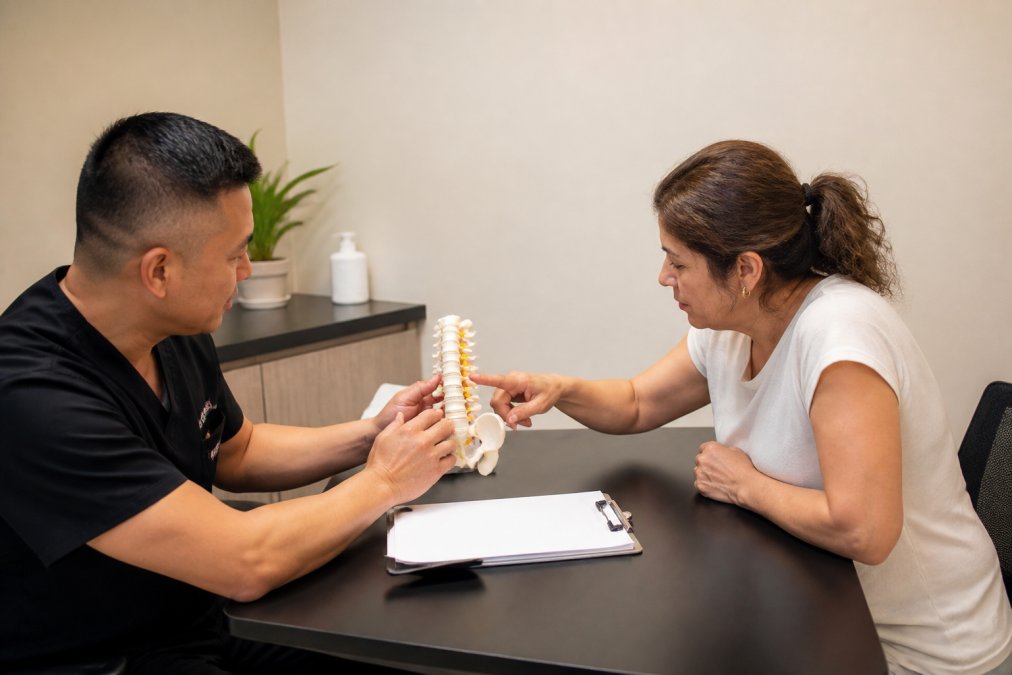
Start with accurate diagnosis. Imaging (X-rays, MRI) and clinical evaluation identify whether your pain stems from muscle strain, disc problems, facet joint arthritis, nerve compression, or other causes. This diagnosis guides treatment selection.
Your treatment plan should include:
- Primary treatment: Physical therapy for almost everyone; regenerative medicine if appropriate for your diagnosis
- Pain management: Over-the-counter medications as needed, heat/cold therapy, possibly acupuncture
- Lifestyle modifications: Ergonomic adjustments, sleep position changes, activity modifications
- Home program: Daily exercises and stretches you perform independently
- Monitoring and adjustment: Regular check-ins to assess progress and modify treatment as needed
The timeline should be realistic. Set 4-week, 8-week, and 12-week goals. Early goals focus on pain reduction and movement restoration. Later goals target returning to activities you’ve avoided.
Advanced Health Center creates personalized plans addressing your specific condition, lifestyle, and goals. The team has managed auto injury cases for over 40 years and specialized in improving diabetic conditions since 1996. This experience means your plan accounts for complexities others might miss.
| Treatment Component | Frequency | Expected Timeline |
|---|---|---|
| Physical Therapy | 2-3x per week initially | 8-12 weeks for significant improvement |
| Home Exercises | 5-6 days per week | Daily, ongoing |
| Regenerative Medicine | 1-3 sessions over weeks | 3-6 months for full effect |
| Heat/Cold Therapy | As needed, 15-20 min | Immediate relief, temporary |
| Anti-inflammatory Diet | Daily | 4-8 weeks for noticeable effect |
| Ergonomic Modifications | Immediate implementation | Ongoing prevention |
Chronic back pain doesn’t have to control your life. Non-surgical relief for chronic back pain offers real solutions when you address the root cause with a comprehensive approach. Physical therapy rebuilds strength and movement patterns. Regenerative medicine stimulates healing of damaged tissue. Lifestyle modifications prevent re-injury. Combined, these methods restore function and eliminate pain without surgery’s risks and recovery time.
Advanced Health Center specializes in exactly this approach, personalized, non-surgical treatment that fixes the underlying problem rather than masking symptoms. With over 40 years of experience managing complex cases, the team understands that every patient’s pain has a specific cause requiring a specific solution. Book your consultation today to discover how Advanced Health Center’s proven, holistic therapies can help you regain mobility, reduce pain long-term, and return to the activities that matter most.
Frequently Asked Questions
What is the most effective non-surgical treatment for chronic back pain?
The most effective approach combines multiple methods tailored to your specific condition. Physical therapy and therapeutic exercise form the foundation for most patients, addressing core strength and flexibility. Regenerative medicine treatments target inflammation and tissue repair at the root cause. Many patients see the best results when combining these with lifestyle modifications, proper ergonomics, and stress management. Your treatment plan should be personalized based on your pain source, severity, and daily activities.
How long does it take for back pain to heal without surgery using these methods?
Recovery timelines vary significantly depending on pain severity, duration, and which treatments you pursue. Physical therapy typically shows initial improvement within 2-4 weeks, though meaningful progress often takes 8-12 weeks of consistent effort. Regenerative medicine treatments may require multiple sessions spaced weeks apart, with results developing over 3-6 months as tissue repair occurs. Acute pain may resolve faster, while chronic pain lasting years often requires patience and consistency. Most patients experience measurable improvement within the first month of starting a comprehensive non-surgical program.
Can chronic back pain be cured without surgery?
Many cases of chronic back pain improve significantly or resolve completely without surgery through non-surgical interventions. Success depends on the underlying cause, your commitment to treatment, and whether the pain stems from structural damage requiring surgical intervention. Conditions caused by muscle weakness, poor posture, inflammation, or nerve irritation respond well to non-surgical approaches. However, some structural issues may have surgical components. A proper evaluation determines whether your condition can be managed conservatively and what realistic outcomes you can expect from non-surgical relief methods.
What lifestyle changes help manage chronic back pain?
Sleep hygiene, ergonomic adjustments, and stress management significantly impact pain levels. Maintain proper spinal alignment while sleeping and working by using supportive pillows and adjusting your desk setup. Regular low-impact movement, staying hydrated, and managing inflammation through diet support healing. Stress reduction through biofeedback, meditation, or breathing exercises helps lower pain perception and muscle tension. Avoid prolonged sitting, use proper lifting techniques, and maintain a healthy weight to reduce spinal stress. These changes work alongside medical treatments to create lasting improvement.
This article was written using GrandRanker