

Table of Contents
- Resilience Orthopedics vs Regenerative Clinics: What’s the Real Difference?
- Side-by-Side Comparison: Treatment Philosophy and Approach
- How to Choose a Non-Surgical Pain Clinic That Fits Your Goals
- Questions to Ask a Regenerative Medicine Doctor Before You Commit
- Understanding Non-Surgical Orthopedic Recovery Time and Results
- The Cost and Insurance Reality of Regenerative Clinics
- Which Regenerative Clinic Is Right for You?
- Frequently Asked Questions
Last Updated: September 6, 2026
Resilience Orthopedics vs Regenerative Clinics: What’s the Real Difference?
Choosing between Resilience Orthopedics vs regenerative clinics comes down to one question: do you want a surgeon to cut, or a specialist to heal? Orthopedic surgery groups focus on surgical intervention for structural damage, while regenerative clinics prioritize biologic therapy and joint preservation.
Regenerative clinics are non-surgical facilities that use orthobiologics, such as platelet-rich plasma and stem cell therapy, to treat osteoarthritis, tendon injuries, and ligament damage, avoiding surgery whenever conservative, evidence-based treatment can achieve functional recovery.
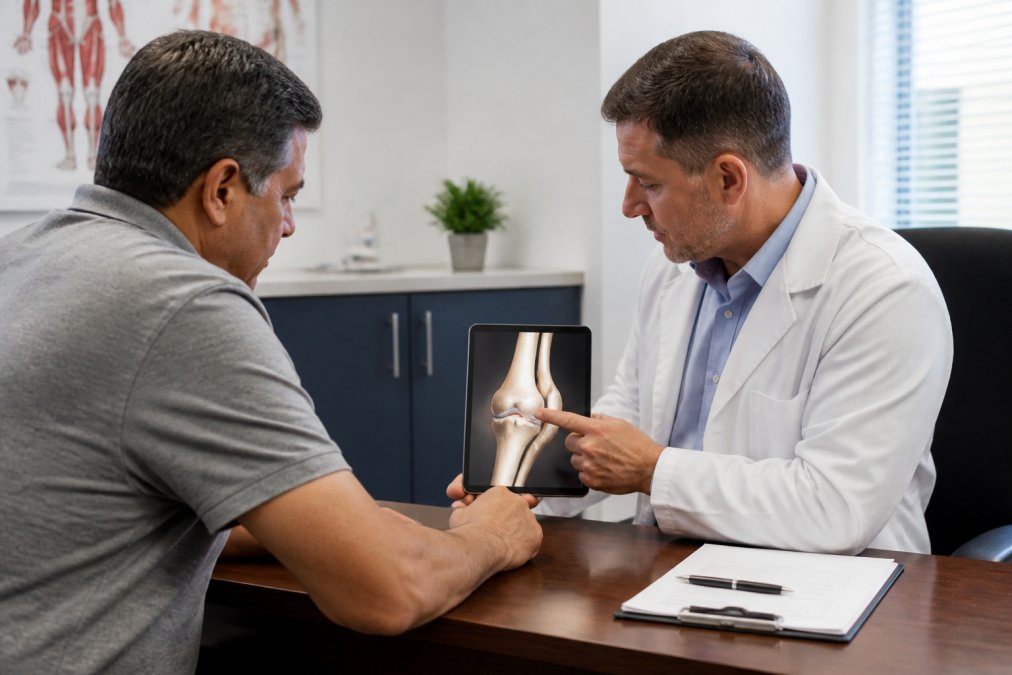
Below, we compare treatment philosophies, how to evaluate a non-surgical pain clinic, and the recovery, cost, and insurance realities most guides skip.
Side-by-Side Comparison: Treatment Philosophy and Approach
| Factor | Traditional Orthopedic Clinic | Regenerative Medicine Clinic |
|---|---|---|
| Primary Focus | Surgical repair and replacement | Joint preservation and tissue regeneration |
| Treatment Tools | Surgery, cortisone shots, hardware | PRP, stem cell therapy, orthobiologics |
| Mindset | Structural fix for damaged tissue | Healing cascade activation and root-cause care |
| Recovery Time | Weeks to months post-op | Typically days to weeks |
| Best For | Severe fractures, failed conservative care | Osteoarthritis, tendonitis, ligament injuries |
Surgical-First vs. Non-Surgical-First Mindset
Most traditional orthopedic practices operate on a surgical-first model. When cartilage defects or meniscus tears appear on an MRI, the default recommendation is often arthroscopic surgery or joint replacement. This approach has its place for acute fractures or end-stage joint destruction beyond repair.
A regenerative clinic treats surgery as a last resort, focusing on therapeutic intervention that stimulates your body’s mesenchymal stem cells and growth factors to reduce inflammation and promote healing. For patients with moderate osteoarthritis or chronic pain, this philosophy can mean the difference between preserving a native joint and living with an artificial one.
How to Choose a Non-Surgical Pain Clinic That Fits Your Goals
When choosing a non-surgical pain clinic, start by examining their diagnostic process. A reputable clinic performs a thorough evaluation to identify the root cause of your pain, using imaging, physical assessment, and detailed medical history to determine candidacy for orthobiologic therapy.
Next, evaluate the provider’s experience. Ask how many similar cases they’ve managed and whether they specialize in your condition. A clinic with decades of complex case experience, like Advanced Health Center, brings clinical judgment newer practices cannot match. The right provider is transparent about what regenerative medicine can and cannot achieve.
Questions to Ask a Regenerative Medicine Doctor Before You Commit
Before committing to any treatment plan, get direct answers to these questions. These conversations reveal whether a clinic practices evidence-based medicine or simply sells hope:
- What specific orthobiologic preparation do you recommend for my condition, and why?
- What is your success rate with patients who have my diagnosis and activity level?
- How many procedures have you performed using this exact technique?
- What does the non-surgical orthopedic recovery time look like for someone my age?
- Can you explain how this treatment addresses the root cause of my pain?
- What are the realistic risks and what does your follow-up protocol include?
A confident, experienced provider will answer without hesitation. Be wary of clinics promising guaranteed outcomes or unable to articulate the biologic rationale. Candidacy depends on severity of joint damage, overall health, and whether the condition is amenable to tissue regeneration. A thorough consultation discusses whether you’re a candidate at all, not just a pitch for the most expensive package.
Understanding Non-Surgical Orthopedic Recovery Time and Results
Most clinic pages describe recovery vaguely as “weeks to months.” That vagueness is a disservice because outcomes often depend on what you do in the first 48 hours and the following six months. Here is a realistic roadmap based on how orthobiologics work.
The Biology of the Healing Cascade
When a clinician injects PRP or bone marrow concentrate into a damaged tendon or joint, they deliver concentrated growth factors that initiate a local inflammatory response, the body’s signal to begin tissue repair. The process involves three overlapping phases: inflammation (days 0-7), proliferation (week 1-6), and remodeling (week 6 to month 6+).
A Realistic Day 1 to Month 6 Roadmap
Day 1-3: The Flare Phase
A post-injection flare is common and expected; the joint may feel more sore or swollen than before. This signals the biologic has triggered a healing response. Manage with ice and acetaminophen. Avoid NSAIDs like ibuprofen or naproxen during this window, they can blunt the inflammatory signal you need (PubMed).
Day 4-14: Relative Rest
Resume normal daily activities like walking and desk work, but avoid loading the treated area. For a knee, no squatting or stair climbing beyond necessity; for a shoulder, no lifting over five pounds. Protect the new fibrin scaffold forming.
Week 3-8: Progressive Loading
Begin controlled physical therapy or a structured home exercise program, starting with isometric contractions then light resistance. Patients often feel a plateau or slight regression around week four. This is not failure; it is the remodeling phase where weak collagen is replaced by stronger fibers.
Month 3-6: Remodeling and Return to Sport
Tissue strength continues to build. Many patients return to low-impact activities like swimming or cycling by month three; higher-impact activities like running or tennis wait until month four to six. A study in the American Journal of Sports Medicine found PRP patients with patellar tendinopathy showed the most significant improvement at six months, not six weeks (PubMed).
Why Success Rates Are Not a Single Number
When you ask a clinic for their “success rate,” you ask a question that cannot be answered with one figure. Success depends on the condition treated, severity of damage, and patient adherence to the protocol.
- Osteoarthritis (Knee): Clinical trials report that roughly 60-70% of patients experience meaningful pain reduction at one year after a single PRP injection. That means 30-40% do not. A second injection is often required for those who see partial benefit.
- Tendinopathy (Tennis Elbow, Achilles): Outcomes are generally better, with success rates in the 70-80% range, because tendons have a better blood supply response to growth factors than cartilage does.
- Meniscus Tears: The evidence is mixed. Small, stable tears in the vascular zone (outer third) respond well. Tears in the avascular zone (inner two-thirds) do not heal because there is no blood supply for the biologic to work with.
Be deeply skeptical of any clinic that quotes a single “90% success rate” across all conditions. That number is a marketing figure, not a clinical one. A reputable provider will stratify success rates by diagnosis and will tell you honestly when your specific condition has a poor prognosis for regenerative therapy.
::: physical therapy recovery tools.
The Hidden Variable: Post-Procedure Lifestyle Protocols
The injection is only 20% of the equation; the other 80% is what you do in the months that follow. Failed treatments often occur not because the biologic failed, but because the patient returned to the same repetitive loading pattern that caused the injury. A thorough clinic provides a written protocol that includes:
- Nutrition: Adequate protein intake (1.2-1.6 grams per kilogram of body weight) to support collagen synthesis.
- Sleep: Seven to nine hours per night, as growth hormone release peaks during deep sleep.
- Activity Modification: A specific list of movements to avoid for the first 30 days.
- Follow-up Injections: A plan for whether a second dose is scheduled at the 4-6 week mark, which is common for larger joints like the knee or hip.
If a clinic hands you a syringe and sends you home with no written protocol, that is a red flag. The procedure is the beginning of a structured rehabilitation process, not a standalone event.
The Cost and Insurance Reality of Regenerative Clinics
This is the most misunderstood aspect of regenerative medicine, and most clinic websites deliberately keep it vague. Here is the reality about what you will pay, why insurance usually says no, and how to make a rational financial decision.
The Real Price Range You Should Expect
Orthobiologic procedures are almost always self-pay, cash-based services. Prices vary based on the biologic used and joint treated. Based on current U.S. market rates, here is what to expect:
- Platelet-Rich Plasma (PRP) – Single Joint: $650 to $1,200 per injection. This price reflects the cost of the centrifuge, the specialized tubes, and the physician’s time.
- PRP – Multiple Joints or Complex Spine: $1,500 to $2,500. Treating the lumbar spine or both knees simultaneously requires more biologic volume and longer procedure time.
- Bone Marrow Concentrate (Stem Cell) – Single Joint: $3,000 to $5,000. This is higher because it requires a separate aspiration procedure from the iliac crest (hip bone) and a longer laboratory processing time.
- Amniotic or Umbilical Cord Allografts: $1,500 to $3,500. These are regulated as human cell and tissue products (HCT/P) by the FDA, not as drugs, which means they are not held to the same clinical trial standards as pharmaceuticals (the FDA).
:::warning
If a clinic quotes you $500 for a “stem cell” injection, they are not using your own bone marrow. They are likely using a minimally processed amniotic product or, worse, a substance with no viable cells at all. The phrase “stem cell” is heavily marketed; ask specifically whether the product contains live mesenchymal stem cells or only growth factors.
Why Insurance Denies Coverage (And When It Might Not)
Most private insurers and Medicare classify PRP and stem cell injections as “experimental” or “investigational” for musculoskeletal conditions, based on CMS National Coverage Determination policy. Plan to pay out of pocket.
There are two narrow exceptions worth exploring:
- PRP for Chronic Non-Healing Wounds: Medicare does cover PRP for diabetic foot ulcers and other chronic wounds under specific conditions. This is a different application than joint pain.
- Post-Surgical Use: Some surgeons use PRP during an operation (e.g., rotator cuff repair) and bill it as part of the surgical procedure. In that case, a portion of the cost may be covered under your surgical benefit.
For most patients seeking joint preservation, insurance will not contribute. Do not waste weeks on pre-authorization calls. Ask the clinic for a “self-pay package price” that includes consultation, procedure, and at least one follow-up visit.
The Five-Year Cost-Benefit Analysis vs. Surgery
Here is the financial comparison most clinics avoid because it makes their pricing look expensive upfront. Consider a patient with moderate knee osteoarthritis who is a candidate for either a PRP series or total knee replacement.
Regenerative Path (PRP):
- Two PRP injections at $1,000 each = $2,000
- One follow-up imaging study (MRI) = $500
- Physical therapy (20 sessions at $75 copay) = $1,500
- Total out-of-pocket: ~$4,000
Surgical Path (Total Knee Replacement):
- Surgeon’s fee and hospital facility fee (insurance negotiated rate) = $35,000 to $60,000
- Patient deductible and out-of-pocket maximum = $4,000 to $8,000
- Lost wages during 6-12 weeks of recovery (at $500/week) = $3,000 to $6,000
- Physical therapy copays (30 sessions) = $2,250
- Total patient cost: $9,250 to $16,250
This does not account for revision surgery risk, which occurs in roughly 5-10% of knee replacements within 10-15 years. A revision is more expensive with a longer recovery.
How to Navigate the Financial Conversation
When you call a regenerative clinic, ask these three specific questions before you book a consultation:
- “Is your price all-inclusive, or are there separate fees for the consultation, imaging review, and the injection itself?” Some clinics quote a low procedure price and then add a $350 consultation fee and a $200 image review fee.
- “Do you offer a package discount for a series of injections?” Many patients need two injections for optimal results. A clinic that charges the same per-injection rate for a series is not giving you a volume discount.
- “What is your refund or revision policy if the first injection provides no benefit?” Most reputable clinics will not refund the fee but may offer a discounted second injection. Be wary of any clinic that offers a money-back guarantee; that is a marketing gimmick that does not reflect how biologic healing works.
The financial decision is not “regenerative medicine is expensive.” It is “regenerative medicine is a $4,000 upfront bet with a 60-70% chance of avoiding a $40,000 surgery that will cost you $10,000 out of pocket and three months of your life.” That is a rational bet for many patients, but only if you go in with your eyes open about the odds and the total cost.
A transparent clinic puts a detailed price sheet in front of you during your first visit, not after you have committed. If a clinic will not give a written itemized quote before scheduling, consider that a strong signal to look elsewhere.
Which Regenerative Clinic Is Right for You?
For most patients seeking joint preservation and chronic pain relief without surgery, the ideal regenerative clinic combines clinical experience with a comprehensive, non-surgical philosophy. Advanced Health Center has spent over four decades managing auto injury cases and has specialized in improving diabetic conditions since 1996, helping more than 10,000 patients regain mobility without drugs or surgery.
The best regenerative clinic for you is one that performs a thorough root-cause diagnosis, has deep experience with your specific condition, sets honest expectations about recovery time, and offers a clear financial picture before you start.
The right choice depends on your diagnosis, goals, and willingness to follow a treatment protocol. Whether you’re an active senior wanting to golf twice a week or an office worker tired of chronic neck pain, a regenerative approach may restore the quality of life you’ve been missing. Schedule a consultation, ask the hard questions, and decide based on evidence and experience, not marketing.
Frequently Asked Questions
What is the difference between an orthopedic surgeon and a regenerative medicine specialist?
An orthopedic surgeon is trained to diagnose and treat musculoskeletal conditions, often with surgery as a primary option. A regenerative medicine specialist focuses on non-surgical biologic therapies, like platelet-rich plasma or bone marrow aspirate, to support tissue healing and joint preservation. The right choice depends on your condition and whether you want to explore surgical avoidance or joint replacement alternatives before considering more invasive procedures.
How do I know if a clinic is using evidence-based regenerative practices?
Ask the clinic about their protocols and how they measure clinical efficacy. A reputable clinic will discuss how their therapies support the healing cascade, cite relevant research on conditions like osteoarthritis or tendon repair, and be clear about patient candidacy. You should also ask about their experience, how they track functional recovery outcomes, and whether they follow guidelines from major orthopedic organizations.
Are regenerative treatments covered by insurance?
Most regenerative medicine procedures, including many orthobiologics, are considered elective and are not covered by standard insurance plans. This is a key cost consideration when comparing Resilience Orthopedics vs regenerative clinics. Before your consultation, contact your insurance provider to confirm your benefits. The clinic’s financial coordinator should also provide a clear breakdown of costs, so you can plan without unexpected expenses.
What is the typical non-surgical orthopedic recovery time?
Recovery time varies by the specific procedure and your body’s response. Unlike surgery, which often requires months of post-operative rehabilitation, many patients return to daily activities within days. The biologic therapy stimulates a healing response that unfolds over weeks. Your plan will include a schedule for gradual activity progression. Ask your doctor for a realistic timeline based on your specific injury and treatment plan.
Choosing between a surgical practice and a regenerative clinic is a decision about how you want to approach your long-term health. Advanced Health Center offers a non-surgical, drug-free path focused on fixing the root cause of your pain, backed by over 40 years of experience and a multi-faceted approach to restoring mobility. Book your consultation today and discover how regenerative care can help you return to the activities you love.