

Table of Contents
- Why Active Seniors Face Unique Pain Challenges
- Non-Surgical Pain Relief for Seniors: What Actually Works
- Regenerative Medicine for Joint Pain: A Drug-Free Alternative
- Exercises for Chronic Pain Management That Protect Mobility
- The Mental Health and Cognitive Side of Senior Pain
- Technology, Assistive Devices, and Caregiver Support
- Nutrition, Anti-Inflammatory Diets, and Everyday Pain Relief
- Conclusion: Building a Personalized Pain Plan That Keeps You Moving
- Frequently Asked Questions
Last Updated: September 16, 2026
Why Active Seniors Face Unique Pain Challenges
Pain management for active seniors is not adult pain care scaled up by age. It is a distinct discipline, because pain signaling, tissue repair, and drug processing all change after roughly age 65. At Advanced Health Center, the pattern is consistent: the seniors who keep moving treat pain as a management problem, not a rest problem.
How Aging Changes Pain Perception and Recovery
Older adults often feel pain differently, not always less. Nerve endings become less sensitive in some areas, masking developing problems, while joints and connective tissue lose elasticity and repair more slowly. Pharmacokinetics, how a drug is absorbed, distributed, and cleared, also slows with age, so the same dose stays active longer and hits harder.
The Risks of Polypharmacy and Opioid Use in Older Adults
Polypharmacy, using multiple medications at once, is one of the most underappreciated risks in this population. Adding a painkiller to prescriptions for blood pressure, diabetes, or cholesterol can cause dizziness, falls, and confusion. Opioid stewardship matters more here than in any other age group, because opioids raise the risk of falls, constipation, and cognitive fog that can undo years of independence.
Taking a new over-the-counter pain reliever alongside prescription medications without checking interactions is a leading cause of preventable adverse drug events in seniors. Always review the full medication list with a clinician before adding anything.
Non-Surgical Pain Relief for Seniors: What Actually Works
Non-surgical pain relief for seniors works best when approaches are combined rather than relied on one at a time. This is multimodal analgesia: layering treatments so each does a smaller job and no single method carries all the risk.
Physical Therapy, Osteopathic Manipulation, and TENS Units
Physical therapy builds strength and balance and flexibility around an injured joint, reducing the load it carries. Osteopathic manipulation uses hands-on techniques to improve joint mobility and reduce muscle tension. TENS units deliver mild electrical pulses that interrupt pain signals before they reach the brain, useful for localized joint or back pain.
Heat and Cold Therapy, Acupuncture, and Massage
Heat and cold therapy is the simplest tool most people underuse: heat relaxes stiff muscles before activity, cold reduces swelling after. Acupuncture and massage therapy target pain through different mechanisms, and many seniors report meaningful relief. None replace medical care, but together they form a practical, low-risk foundation.
Regenerative Medicine for Joint Pain: A Drug-Free Alternative
Regenerative medicine for joint pain supports the body’s own repair processes rather than masking symptoms. For seniors avoiding surgery or long-term medication, it targets the root cause of joint degeneration, not just the sensation of pain.
Ask any provider how they measure progress beyond “less pain.” Functional milestones, like climbing stairs without a handrail or walking a full golf round, are the outcomes that actually matter for an active senior.
Exercises for Chronic Pain Management That Protect Mobility
Exercises for chronic pain management should build capacity without triggering flare-ups. The goal is not to push through pain but to teach the body to move safely under load. For active seniors, the question is not whether to exercise but how much, how often, and how to adjust when a joint complains.
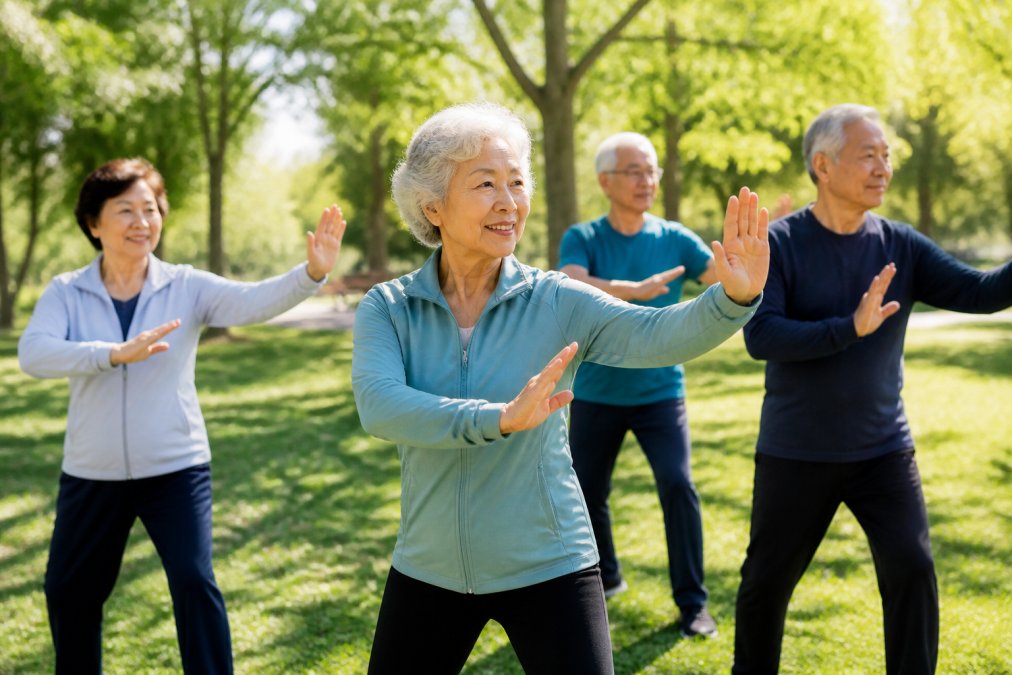
Tai Chi, Walking, and Balance Work for Functional Mobility
Tai Chi combines slow, controlled movement with weight shifting, improving balance and flexibility and reducing fall risk. Short daily walks keep joints lubricated and muscles engaged. Therapeutic exercise tailored to the knee, hip, or shoulder restores range of motion that a sedentary lifestyle erodes. A rehabilitation plan including all three produces the best long-term results.
| Exercise Type | Primary Benefit | Best For | Frequency |
|---|---|---|---|
| Tai Chi | Balance, flexibility | Fall prevention | 2-3x weekly |
| Walking | Joint lubrication | General mobility | Daily, short sessions |
| Balance work | Stability, confidence | Post-injury recovery | 3-4x weekly |
| Therapeutic exercise | Strength, range of motion | Specific joint pain | Per therapist plan |
How to Dose and Progress Without Flaring a Joint
The safest starting point for an active senior is less than the person thinks they can handle, then a gradual build: two short sessions per week, adding one every week or two, and increasing duration or resistance only after a week without a pain spike. The “two-hour rule” is a simple self-check: if pain is still noticeably worse two hours after exercise, the session was too long or intense, and the next should be scaled back.
Red Flags: When to Stop and Call a Clinician
Exercise should produce a manageable ache, not a sharp or escalating pain. Stop and seek care if you notice:
- Sharp, stabbing, or shooting pain during movement
- New numbness, tingling, or weakness in a limb
- Joint swelling, redness, or warmth that appears after activity
- Pain that keeps waking you at night or lasts more than a few days after a session
- A sudden loss of balance or a near-fall
Low-Impact Options Beyond the Gym
Seniors who dislike gyms stick with exercise longer when it is built into daily life. Water aerobics and pool walking reduce joint load while providing resistance. Stationary and recumbent bikes spare the knees while building endurance. Resistance bands are inexpensive, portable, and gentler than free weights. Chair-based yoga and seated strength routines suit anyone recovering from a flare-up or managing balance limitations.
Book your consultation today! →
Track sessions in a simple notebook or phone note: activity, duration, and how the joint felt the next morning. Patterns show up within two to three weeks and make it far easier to adjust the plan with a physical therapist or physician.
The Mental Health and Cognitive Side of Senior Pain
Chronic pain and mood are tightly linked, one of the most overlooked parts of senior care. Persistent pain disrupts sleep, impairing cognitive function and lowering mood, which makes pain feel worse. Breaking that cycle requires addressing mental health alongside physical symptoms.
Technology, Assistive Devices, and Caregiver Support
Most articles stop at canes and grab bars. The bigger opportunity for active seniors is combining modern monitoring tools, smart-home adaptations, and a caregiver who knows what to watch for, three pillars that let an older adult stay independent longer and catch problems before they become injuries.
Wearables and Pain-Tracking Apps
Wearable activity trackers can flag changes in movement patterns before a senior notices them. A gradual drop in daily step count, longer sitting bouts, or a shift in gait symmetry often shows up days before a joint announces itself, the moment to add heat, reduce load, or check in with a physical therapist rather than wait for a flare-up.
Smart Home Adaptations That Reduce Joint Load
Small environmental changes remove strain from joints during the tasks that happen every day:
- Motion-sensor lighting in hallways and bathrooms reduces nighttime fall risk without fumbling for switches.
- Lever-style door handles and faucets replace twisting motions that aggravate arthritic hands.
- Raised toilet seats and shower benches cut the deep knee and hip flexion that provokes pain.
- Voice assistants can turn off lights, set reminders, and call for help hands-free.
- Reachers and long-handled tools spare the back and shoulders during gardening and housework.
- Ergonomic seating with proper seat height and armrests makes standing up easier and safer.
What Family Caregivers Should Watch For
Family and professional caregivers who understand geriatric syndromes can spot warning signs early, help with medication schedules, and encourage consistent activity. A few habits make the biggest difference:
- Keep a current medication list, including over-the-counter pain relievers, supplements, and topicals, and bring it to every appointment. This is the single most effective defense against adverse drug events.
- Watch for behavior changes, not just pain reports. New confusion, withdrawal from favorite activities, or a sudden reluctance to leave the house can signal poorly controlled pain or a medication side effect.
- Encourage movement without nagging. Offering to walk together, drive to a Tai Chi class, or set up a chair-based routine removes friction that otherwise becomes a reason to stay seated.
- Check the home once a season for loose rugs, poor lighting, and cluttered pathways. Fall prevention is one of the highest-value interventions for maintaining independence in this age group.
- Attend at least one medical visit per year so the caregiver hears the clinician’s instructions directly rather than relying on a secondhand summary.
The Mental Health Overlap Caregivers Often Miss
Caregivers are often the first to see the mood-pain link. Persistent pain disrupts sleep, impairing cognitive function and lowering mood, which makes pain feel worse. A caregiver who notices poor sleep, lost interest in hobbies, or unusual irritability should raise it with the care team rather than assume it is “just aging.” Addressing mood and sleep alongside the joint produces better pain outcomes than treating the joint alone.
Technology, home adaptations, and an informed caregiver are not extras, they are the infrastructure that lets an active senior keep moving when pain flares. Build them into the plan from the start.
Nutrition, Anti-Inflammatory Diets, and Everyday Pain Relief
Diet affects pain more than most people expect. Anti-inflammatory eating patterns built around vegetables, fatty fish, whole grains, and healthy fats can reduce the systemic inflammation that amplifies joint pain. Hydration matters too, since dehydration worsens stiffness and joint discomfort.
The most effective pain plans for active seniors combine movement, nutrition, mental health support, and hands-on therapy. No single intervention carries the whole load.
Conclusion: Building a Personalized Pain Plan That Keeps You Moving
Lasting relief rarely comes from one treatment. It comes from a plan built around your joints, medications, goals, and daily routine. If chronic pain is keeping you off the golf course, out of the garden, or away from activities you love, Advanced Health Center can help. Our non-surgical regenerative medicine, drug-free pain relief, and multi-faceted knee rejuvenation approaches fix the root cause of pain and restore mobility.
Frequently Asked Questions
What are the safest pain management options for active seniors?
The safest options typically start with non-pharmacological interventions like physical therapy, heat and cold therapy, and therapeutic exercise. Acetaminophen is often recommended over NSAIDs for older adults because NSAIDs carry higher risks of gastrointestinal bleeding and kidney problems. For chronic pain management, approaches like TENS units, acupuncture, and regenerative medicine for joint pain offer drug-free alternatives. Always discuss any new treatment with your doctor, especially if you take multiple medications, to avoid adverse drug events.
How can seniors manage chronic pain without relying on surgery?
Non-surgical pain relief for seniors focuses on addressing the root cause through physical therapy, osteopathic manipulation, and regenerative medicine for joint pain. Therapeutic exercise builds strength and balance, reducing fall risk and improving functional mobility. Heat and cold therapy, massage, and acupuncture can ease pain intensity. A multimodal analgesia approach combining several methods often works better than any single treatment. Many patients find that consistent, gentle activity and targeted rehabilitation reduce their need for surgical intervention.
How does regenerative medicine help active seniors with joint pain?
Regenerative medicine for joint pain uses natural, drug-free treatments to support the body’s own repair processes. It can reduce pain intensity and improve functional mobility without the risks of surgery or long-term opioid use. For active seniors, this means getting back to golf, walking, or daily hobbies with less discomfort. Treatment plans are personalized and may combine with exercises for chronic pain management. Results vary, so a consultation helps determine if you are a good candidate.
What role does physical activity play in managing age-related pain?
Physical activity is one of the most effective non-pharmacological interventions for chronic pain management. Exercises for chronic pain management, such as Tai Chi, walking, and balance work, improve functional mobility, reduce stiffness, and support cognitive function. A sedentary lifestyle worsens pain and accelerates loss of balance and flexibility. Even 20 to 30 minutes of gentle activity most days can make a difference. Always start slowly and consult a professional before beginning a new routine, especially if you have geriatric syndromes or recent injuries.