

Table of Contents
- Why Natural Pain Relief Matters for Active Seniors
- Heat and Cold Therapy: The Foundation of Pain Management
- Non-Surgical Pain Relief for Seniors: What Works
- Natural Anti-Inflammatory Foods and Supplements for Seniors
- Exercises for Chronic Pain Relief: Staying Mobile Without Strain
- Massage, Breathwork, and Mind-Body Techniques
- Creating Your Personal Pain Management Plan
- Frequently Asked Questions
Last Updated: September 22, 2026
Why Natural Pain Relief Matters for Active Seniors
Active seniors refuse to let pain slow them down. Chronic pain can derail your lifestyle, but the right approach keeps you mobile, independent, and engaged in the activities you love.
Natural pain relief for active seniors uses heat, cold, movement, nutrition, and mind-body techniques to address root causes rather than mask symptoms. Advanced Health Center has spent over 40 years helping active seniors regain mobility through non-surgical, drug-free methods.
The strategies covered here have helped many patients escape the pain-medication cycle. Below, we’ll show you exactly how to build a personalized pain management plan that fits your lifestyle and keeps you doing what matters most.
Heat and Cold Therapy: The Foundation of Pain Management
Heat and cold therapy form the cornerstone of natural pain relief for active seniors. These aren’t new trends, they’re proven, accessible tools that work by influencing blood flow, reducing inflammation, and calming nerve activity.
Heat therapy increases circulation and relaxes tight muscles. Apply heat for 15-20 minutes to stiff joints or sore muscles, especially in the morning. Heat is particularly effective for chronic muscle tension and arthritis-related stiffness.
Cold therapy reduces inflammation and numbs acute pain.
Layer your therapy: heat before movement, cold after exertion. This rhythm maintains mobility without triggering flare-ups that sideline you for days.
Non-Surgical Pain Relief for Seniors: What Works
Non-surgical pain relief for active seniors addresses inflammation at the source with no prolonged recovery, surgical complications, or months of rehabilitation.
The most successful pain management plans use 3-4 complementary methods simultaneously, not one strategy in isolation.
Natural Anti-Inflammatory Foods and Supplements for Seniors
What you eat directly influences inflammation levels in your body. Natural anti-inflammatory foods address pain from the inside out, reducing the inflammatory cascade that drives chronic pain.
Understanding Drug-Nutrient Interactions: A Critical Safety Step
Natural supplements can interfere with medications like blood thinners, diabetes drugs, statins, and blood pressure medications. This is essential to address for your safety.
Common medication-supplement conflicts to watch:
- Blood thinners (warfarin, apixaban): Omega-3 supplements, ginger, turmeric, and garlic can increase bleeding risk. If you take anticoagulants, discuss any supplement with your pharmacist before starting, and monitor for unusual bruising or bleeding.
- Diabetes medications (metformin, sulfonylureas): Chromium and alpha-lipoic acid can lower blood sugar further, risking hypoglycemia. Cinnamon supplements have been marketed for blood sugar control but can amplify medication effects unpredictably.
- Blood pressure medications (ACE inhibitors, beta-blockers): Potassium-rich supplements and licorice can raise blood pressure or interfere with medication effectiveness. Ginger and garlic, while generally safe, may have additive blood-pressure-lowering effects.
- Statins (atorvastatin, simvastatin): Grapefruit (and grapefruit seed extract) blocks statin metabolism, raising drug levels to unsafe concentrations (the FDA). Red yeast rice, marketed as a natural cholesterol remedy, contains statin-like compounds and should not be combined with prescription statins.
- Thyroid medications (levothyroxine): Iron, calcium, and magnesium supplements reduce thyroid medication absorption if taken within 4 hours. Take thyroid medication on an empty stomach, and separate supplements by at least 4 hours.
How to navigate supplements safely:
-
Bring a complete list of all medications and supplements to your doctor or pharmacist. Your healthcare provider needs the full picture.
-
Start one supplement at a time to isolate any reactions. Wait 1-2 weeks between adding new supplements.
-
Use a pharmacy interaction checker. Many pharmacies offer free interaction screening online.
-
Prioritize whole foods over supplements. A diet rich in anti-inflammatory vegetables, fatty fish, and nuts delivers the same compounds without interaction risk.
Supplements with Strong Evidence and Lower Interaction Risk
If your medications are cleared for supplement use, these have research supporting their use for joint and muscle pain:
Book your consultation today! →
- Omega-3 fatty acids (fish oil): 1,000-2,000 mg daily supports joint health. If you’re on blood thinners, your doctor may approve it at a lower dose with monitoring.
- Curcumin (from turmeric): 500-1,000 mg daily, most effective when taken consistently for 4-8 weeks.
- Ginger extract: 1,000-2,000 mg daily, particularly helpful for osteoarthritis pain.
- Glucosamine and chondroitin: Some active seniors report reduced joint pain for knee osteoarthritis. Results take 8-12 weeks. Not recommended if allergic to shellfish.
A Practical Approach
Build your anti-inflammatory strategy in this order:
- Establish solid nutrition first. Meals built around leafy greens, fatty fish, berries, nuts, and olive oil deliver anti-inflammatory compounds without interaction risk. This is your foundation.
- Confirm medication safety. Review your current medications with your pharmacist to identify which supplements are safe for you.
- Add one supplement at a time, starting with the one most relevant to your pain pattern. Wait 2-3 weeks before adding another.
- Track results. Note changes in pain levels, mobility, and any side effects. If a supplement isn’t helping after 6-8 weeks, discontinue it and try another.
Never assume natural supplements are risk-free when you’re taking prescription medications. Some natural compounds interfere with medication absorption, effectiveness, or increase side effects. Discuss any new supplement with your doctor or pharmacist before starting, especially if you take blood thinners, diabetes medications, or heart medications.
Exercises for Chronic Pain Relief: Staying Mobile Without Strain
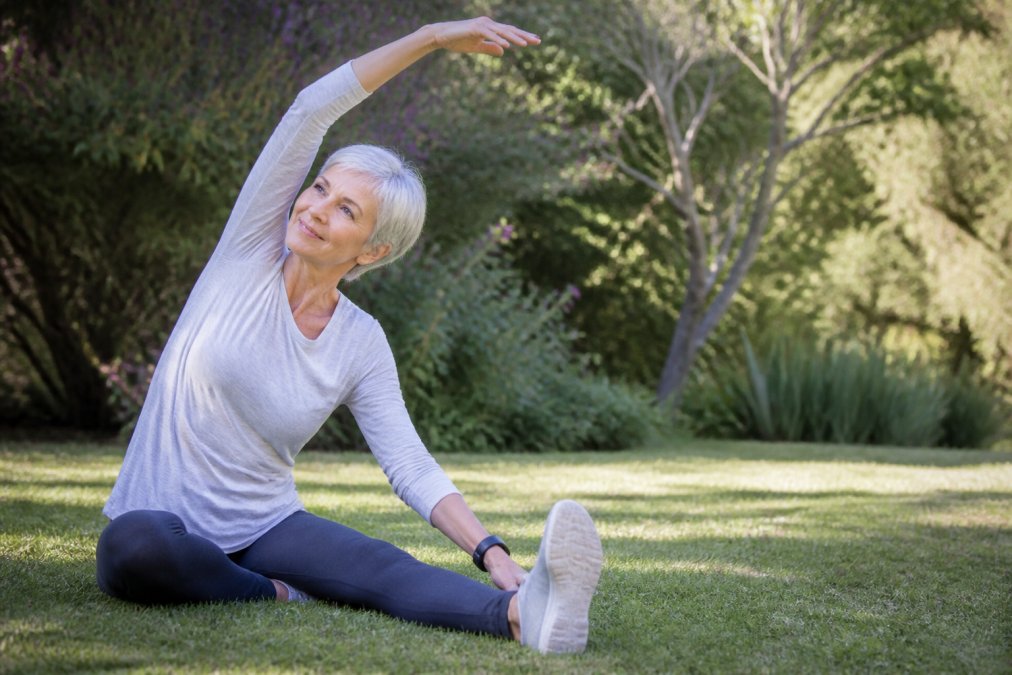
Consistent movement helps maintain joint lubrication, yet addressing the foundation of your posture through safe foot relief remains essential for sustaining long-term comfort during these daily routines.
| Exercise Type | Frequency | Duration | Best For |
|---|---|---|---|
| Walking or swimming | 4-5 days/week | 20-30 minutes | Cardiovascular fitness, low joint stress |
| Stretching | Daily | 5-10 minutes | Mobility, muscle tension relief |
| Strength training | 2-3 days/week | 20-30 minutes | Muscle support, joint stability |
| Gentle yoga or tai chi | 2-3 days/week | 20-45 minutes | Balance, flexibility, mind-body connection |
Massage, Breathwork, and Mind-Body Techniques
Massage therapy reduces muscle tension and improves circulation. Regular massage, even monthly, helps prevent pain flare-ups.
The Hidden Psychological Dimension: Pain, Isolation, and Depression in Active Seniors
Chronic pain in active seniors is a psychological and social crisis that amplifies pain itself. When pain limits activities that define your identity, it triggers isolation, depression, and anxiety, which neurologically intensify pain perception. This creates a vicious cycle: pain limits activity → depression and isolation → amplified pain perception → further isolation. Breaking this cycle requires addressing the psychological dimension directly.
-
Maintain social connection despite pain limitations. If you can’t golf 18 holes, golf 9. If you can’t hike steep trails, walk flat paths with friends. Active seniors who maintain social engagement report 30-40% lower pain levels than isolated peers. Join a walking group, water aerobics class, or pain-management support group.
-
Reframe your identity around what you can do, not what you’ve lost. When you shift from “I used to run marathons, now I can barely walk” to “I’m learning to move in ways that work for my body right now,” your brain’s threat response decreases, which reduces pain signaling.
-
Screen for depression actively. Ask yourself: Have I lost interest in activities I used to enjoy? Do I feel hopeless about my pain improving? Am I withdrawing from friends and family? If yes to two or more, talk to your doctor. Depression is treatable, and treating it directly reduces pain.
-
Use meditation and breathwork to process emotions. A 10-15 minute daily practice where you notice thoughts and emotions without judgment helps prevent emotional suppression that accompanies chronic pain. Apps like Insight Timer or Calm offer guided meditations specifically for chronic pain and emotional resilience.
-
Consider talk therapy or pain psychology. Cognitive-behavioral therapy (CBT) and acceptance and commitment therapy (ACT) address the psychological dimensions of chronic pain by changing your relationship to pain. Many insurance plans cover pain psychology.
-
Build meaning into your modified activities. Volunteering, teaching, or creative work activates reward centers in your brain, reducing depression and pain perception while maintaining identity, social connection, and purpose.
Combining breathwork, meditation, and emotional processing:
- During breathwork, notice what emotions arise and acknowledge them. This reduces emotional suppression that amplifies pain.
- Use guided meditations that specifically address pain and loss. Search for “chronic pain acceptance meditation” or “grief and loss meditation for chronic illness.”
- Practice self-compassion meditation with phrases like “This is hard right now, and I’m doing my best” to reduce shame and self-criticism.
The most effective pain management plans address the psychological dimension as seriously as the physical one. If you’re managing pain but feeling isolated or depressed, that’s a sign your plan is incomplete. Add social connection, reframe your identity, and consider therapy as part of your pain management strategy.
Creating Your Personal Pain Management Plan
A successful natural pain relief plan for active seniors is personalized. Your plan should reflect your specific pain patterns, lifestyle, and goals.
Frequently Asked Questions
What is the most effective natural pain relief method for seniors with chronic pain?
No single method works for everyone, but combining heat therapy, gentle movement, and anti-inflammatory foods often produces the best results. Many active seniors find that rotating between heat applications, targeted exercises, and natural supplements addresses both acute flare-ups and long-term pain management. The key is consistency and listening to your body’s response over several weeks.
Can natural remedies replace my current medications for pain management?
Natural approaches work best alongside your existing treatment plan, not as replacements. If you take medications prescribed by your doctor, especially for conditions like diabetes or heart disease, discuss any new supplements or significant dietary changes with them first. Drug-nutrient interactions can occur, and your healthcare provider needs to monitor your overall treatment strategy to ensure safety and effectiveness.
How long does it typically take to see results from natural pain relief methods?
Most people notice improvements within 2-4 weeks of consistent practice, though some see relief within days from heat therapy or massage. Dietary changes and supplements may take 4-8 weeks to show measurable effects. Exercises for chronic pain relief work best when done regularly, and mobility gains often appear gradually over 6-12 weeks. Results vary based on pain severity, age, and how closely you follow your chosen methods.
Are there natural pain relief approaches that work for specific conditions like neuropathy or arthritis?
Yes. For joint pain and arthritis, heat therapy, turmeric, and ginger-based supplements are well-documented. For neuropathy, improved hydration, B-vitamins, and gentle movement help many seniors. Acupuncture and massage therapy show promise for both conditions. However, since neuropathy and arthritis respond differently to various treatments, working with a healthcare provider to identify which methods suit your specific diagnosis ensures you’re addressing the root cause effectively.