
Table of Contents
- What Is Failed Back Surgery Syndrome and Why It Happens
- How Regenerative Medicine Addresses the Root Cause of Post-Surgical Pain
- Failed Back Surgery Syndrome Treatment Options: Regenerative vs. Revision Surgery
- Recovery Time for Regenerative Medicine Injections and What to Expect
- Is Stem Cell Therapy Covered by Insurance?
- Who Is a Candidate for Regenerative Medicine After Failed Surgery
- Why Some Regenerative Treatments Fail and How to Avoid It
- The Psychological Impact of Failed Surgery and Moving Forward
- Frequently Asked Questions
Last Updated: September 27, 2026
What Is Failed Back Surgery Syndrome and Why It Happens
Failed back surgery syndrome (FBSS), also called post-laminectomy syndrome, occurs when patients continue experiencing chronic pain after spinal surgery. This isn’t a rare complication, it affects a meaningful portion of patients who undergo back procedures, creating frustration and a sense of lost hope.
The causes vary. Sometimes scar tissue forms around nerve roots, restricting movement and triggering inflammation. Other times, the original pain generator wasn’t correctly identified, so surgery addressed the wrong structure. Adhesions can develop between tissues, degenerative disc disease may progress faster than expected, or the spine’s stability may be compromised by the surgical approach itself. In some cases, neuropathic pain develops independently of the structural problem the surgeon addressed.
What makes FBSS particularly challenging is the psychological toll. Patients invest time, money, and emotional energy into surgery with the expectation of relief. When that relief doesn’t arrive, they face not just continued pain but also the question: “What now?” This is where regenerative medicine enters the conversation as a potential path forward.
How Regenerative Medicine Addresses the Root Cause of Post-Surgical Pain
Regenerative medicine works differently than revision surgery because it targets the underlying mechanisms driving pain rather than removing or restructuring tissue. The approach focuses on stimulating your body’s natural healing response to repair damaged tissue, reduce inflammation, and restore function.
Tissue regeneration and the healing cascade
When regenerative treatments are administered, they initiate what clinicians call the healing cascade. Growth factors and signaling molecules from treatments like platelet-rich plasma or mesenchymal stem cells activate your body’s repair mechanisms at the cellular level. These biologics communicate with damaged tissue, promoting new cell formation and strengthening the structural integrity of ligaments, cartilage, and disc material.
The process isn’t instantaneous. Tissue regeneration unfolds over weeks and months as new cells develop and integrate. This timeline matters because it explains why patience is required, but it also means the healing is happening at a fundamental level, not just masking symptoms. Unlike cortisone injections that reduce inflammation temporarily, regenerative approaches work to rebuild what’s broken.
Inflammation reduction and scar tissue management
Post-surgical inflammation is a silent driver of ongoing pain. Even after the incision heals, inflammatory markers can remain elevated around nerve roots and surgical sites. Regenerative treatments reduce this inflammation by introducing anti-inflammatory signaling molecules that calm the immune response without suppressing it entirely.
Scar tissue adhesions are particularly problematic after spinal surgery. These fibrous bands restrict nerve mobility and trigger pain with movement. Regenerative medicine doesn’t dissolve scar tissue directly, but it can reduce the inflammatory environment that perpetuates adhesion formation, potentially preventing new adhesions and allowing existing ones to become less restrictive over time.
Failed Back Surgery Syndrome Treatment Options: Regenerative vs. Revision Surgery
When can regenerative medicine fix failed surgery? The answer depends on what caused the failure and whether revision surgery is truly necessary or whether a different approach might work better.
Why revision surgery carries higher risk
Revision spinal surgery is more complex than the original procedure. The surgeon must navigate scar tissue, work around hardware that may have been placed, and address structures that have already been disrupted. Complication rates for revision procedures are higher than primary surgeries. There’s also the reality that a second surgery doesn’t guarantee success, some patients experience FBSS again after revision, creating a cycle of diminishing returns.
Additionally, each surgical intervention removes more tissue and creates more scar tissue, potentially worsening the very problem you’re trying to solve. This is why many specialists now recommend exploring non-surgical regenerative options before committing to another procedure.
Minimally invasive regenerative approaches
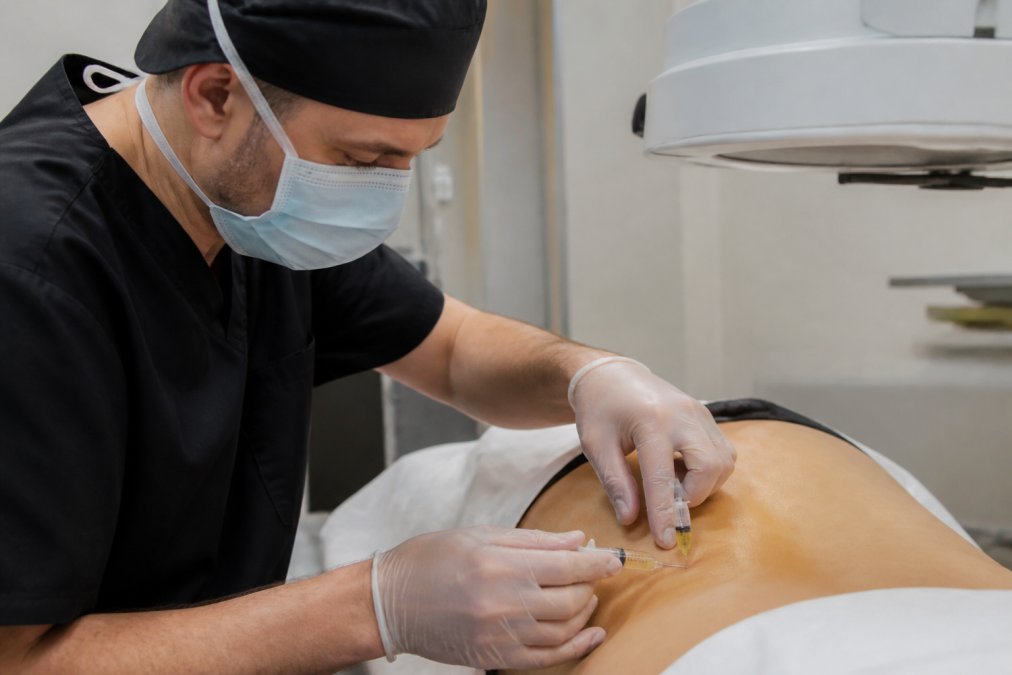
Regenerative medicine injections require no incisions, no general anesthesia, and no surgical recovery period. Patients typically return to light activity within days. The procedure itself takes 15-30 minutes in most cases. Because there’s no tissue removal or structural alteration, there’s no additional scar tissue formation, only healing stimulation.
This makes regenerative approaches an attractive first step for FBSS patients. If the pain generator can be addressed through tissue repair and inflammation reduction, you’ve resolved the problem without the risks and recovery burden of revision surgery. If regenerative treatment doesn’t provide adequate relief, revision surgery remains an option and hasn’t been made more difficult by the attempt.
Recovery Time for Regenerative Medicine Injections and What to Expect
Understanding the recovery timeline helps set realistic expectations and prevents the common mistake of abandoning treatment too early.
Timeline for functional recovery by condition
Most patients notice initial pain reduction within 2-4 weeks as inflammation begins to subside. However, meaningful functional improvement, the ability to move more freely, sleep better, or return to activities, typically emerges over 8-12 weeks as tissue regeneration accelerates. Some conditions show continued improvement for 4-6 months as the healing cascade fully unfolds.
Low back pain from degenerative disc disease or post-surgical degeneration often responds within this timeframe. Neuropathic pain (nerve-based pain) may take slightly longer because nerve tissue regenerates more slowly than other tissues. Shoulder and joint pain often shows faster improvement because these areas have better blood supply and smaller tissue volumes to heal.
Book your consultation today! →
Post-procedure rehabilitation protocols
Regenerative injections work best when combined with appropriate movement and rehabilitation. Immediately after injection, rest for 48 hours prevents disruption of the treatment. After that, gentle movement is encouraged, walking, light stretching, and low-impact activity stimulate blood flow and support the healing process.
Physical therapy focused on stabilization and mobility typically begins 1-2 weeks post-injection.
Is Stem Cell Therapy Covered by Insurance?
This question reflects a real financial concern for many patients considering regenerative medicine.
Current insurance landscape and coverage gaps
The coverage situation is gradually shifting as more clinical evidence accumulates. Some regional insurance plans have begun covering regenerative treatments for specific conditions, particularly orthopedic applications. However, this remains inconsistent and varies significantly by location and plan.
Financial planning and consultation options
Many regenerative medicine clinics, including Advanced Health Center, offer free or low-cost consultations to discuss your condition, treatment options, and realistic costs. During a consultation, you can ask about payment plans, financing options, or whether your condition might qualify for any coverage assistance programs.
Who Is a Candidate for Regenerative Medicine After Failed Surgery
Not every FBSS patient is a candidate for regenerative medicine, and honest assessment matters more than aggressive marketing.
Good candidates typically have:
- Identifiable pain generators (specific structures causing pain, not just generalized pain)
- Adequate blood supply to the affected area (important for healing)
- No active infection or systemic illness that would impair healing
- Realistic expectations about timeline and outcomes
- Willingness to follow post-procedure rehabilitation protocols
Why Some Regenerative Treatments Fail and How to Avoid It
Regenerative medicine isn’t a guaranteed fix, and understanding why some treatments don’t work helps you avoid common pitfalls.
The Psychological Impact of Failed Surgery and Moving Forward
The emotional weight of failed surgery is often underestimated in clinical discussions. You invested hope in a procedure that didn’t deliver. You may have delayed other life activities in anticipation of relief that never came. You might feel betrayed by the healthcare system or skeptical about any new treatment option.
Frequently Asked Questions
What is the success rate of regenerative medicine for failed back surgery?
Success rates vary by condition and treatment type. Studies show that regenerative medicine approaches like platelet-rich plasma and stem cell therapy help reduce inflammation and promote tissue regeneration in post-surgical pain cases. However, outcomes depend on identifying the correct pain generator, the extent of scar tissue or adhesion, and patient compliance with rehabilitation protocols. Your specific success likelihood should be evaluated during a personalized consultation based on your surgical history and imaging results.
How does recovery time for regenerative medicine injections compare to revision surgery?
Regenerative medicine injections typically involve minimal downtime, with most patients resuming light activity within days and full functional recovery progressing over 8-12 weeks as the healing cascade activates tissue repair. Revision surgery, by contrast, requires weeks of immobilization and several months of rehabilitation, plus carries higher infection and complication risks. The actual recovery timeline depends on the injection location, the extent of tissue damage, and your post-procedure rehabilitation protocol adherence.
Is stem cell therapy covered by insurance for failed surgery treatment?
Most insurance plans classify stem cell therapy and other regenerative treatments as experimental or investigational, meaning coverage is limited or denied. Some autologous (your own cells) treatments may have partial coverage depending on your plan and the specific diagnosis. Because coverage varies significantly, discussing your insurance situation during an initial consultation helps clarify out-of-pocket costs and explore financing options that fit your budget.
What causes failed back surgery syndrome, and can regenerative medicine actually fix it?
Failed back surgery syndrome occurs when post-surgical pain persists due to scar tissue, adhesions, inflammation, or incomplete resolution of the original pain generator. Regenerative medicine addresses these root causes by stimulating tissue repair, reducing inflammation, and promoting the healing cascade. Rather than adding another surgical intervention, regenerative approaches work to restore spinal stability and functional recovery without the complications of revision surgery.
How long does regenerative medicine treatment take to show results?
Most patients notice initial pain reduction within 2-4 weeks as inflammation decreases. Significant functional improvement typically emerges over 8-12 weeks as tissue regeneration and the healing cascade progress. Some conditions respond faster than others, acute post-surgical pain may improve sooner than chronic degenerative disc disease. Consistent adherence to post-procedure rehabilitation protocols accelerates clinical outcomes and supports long-term pain relief.
What are the biggest limitations of regenerative medicine for post-surgical pain?
Regenerative treatments work best when the pain generator is correctly identified and the tissue damage is not too extensive. Advanced spinal instability, severe nerve compression, or extensive scar tissue formation may require surgical intervention. Additionally, regenerative medicine is not a quick fix, it requires time for the healing cascade to complete and patient commitment to rehabilitation. Insurance coverage gaps and upfront costs also present barriers for some patients.