

Table of Contents
- Why an Anti-Inflammatory Diet Matters for Seniors in Pain
- Anti-Inflammatory Foods for Seniors to Build Meals Around
- Foods to Avoid for Inflammation: What to Cut Back
- Building an Anti-Inflammatory Diet Meal Plan for Seniors
- Your Anti-Inflammatory Diet and Medications: Safety First
- Common Mistakes When Choosing the Right Anti-Inflammatory Diet for Seniors
- Frequently Asked Questions
Last Updated: October 18, 2026
Why an Anti-Inflammatory Diet Matters for Seniors in Pain
Chronic inflammation is the quiet driver behind much of the joint pain, stiffness, and slowed recovery that older adults live with daily. Choosing the right anti-inflammatory diet for seniors is not about chasing a trend. It is about giving your body fewer reasons to stay inflamed. At Advanced Health Center, we have spent over 40 years helping patients manage complex pain cases. The National Institute on Aging’s guidance on healthy eating makes a simple point: what you eat shapes how your body ages and heals. Many patients find that small, steady dietary changes ease morning stiffness and support the treatments they already receive.
Anti-Inflammatory Foods for Seniors to Build Meals Around
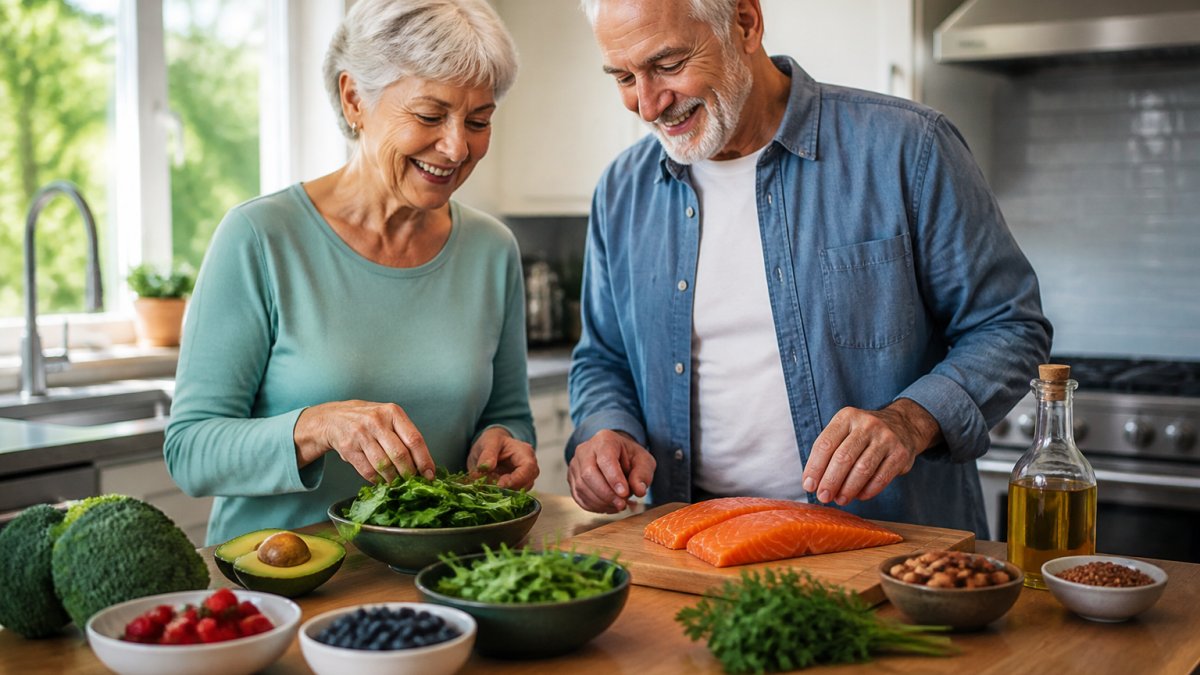
The best anti-inflammatory foods for seniors are whole foods you can find at any grocery store: fatty fish, colorful vegetables, berries, nuts, and olive oil. You do not need exotic ingredients. You need a handful of reliable staples you will actually eat several times a week. Build each plate around two or three of them.
Fatty Fish and Omega-3 Sources
Fatty fish tops the list. Salmon, sardines, mackerel, and tuna carry omega-3 fats that many researchers link to lower inflammation. The Office of Dietary Supplements on omega-3 fatty acids notes these fats support heart and joint health. Aim for two servings a week. Canned sardines and salmon cost less and keep well, which matters for anyone cooking for one or two.
Colorful Produce, Nuts, and Olive Oil
Color signals nutrients. Deep greens, red peppers, blueberries, and carrots all bring plant compounds that help calm inflammation. A common mistake is buying produce that spoils before it gets eaten. Frozen berries and vegetables work just as well and last far longer. Walnuts, almonds, and extra virgin olive oil round out the plate as easy sources of healthy fat. Integrating these staples into daily meals provides a reliable foundation for natural inflammation reduction while supporting long-term vitality.
Roast a full tray of vegetables on Sunday and portion it into containers. It removes the daily decision fatigue that derails most eating plans.
Foods to Avoid for Inflammation: What to Cut Back
The foods to avoid for inflammation are the usual suspects: sugary drinks, white bread and pastries, processed meats, and heavy fried foods. You do not have to ban them forever. Cutting back is the goal, not perfection. Many seniors find that swapping one soda for sparkling water or one fried side for a roasted vegetable is enough to notice a difference. The Dietary Guidelines for Americans recommend limiting added sugars and highly processed foods, and that advice fits this goal well. Read labels. Sugar hides in sauces, cereals, and “healthy” snacks.
Building an Anti-Inflammatory Diet Meal Plan for Seniors
An anti-inflammatory diet meal plan for seniors works best when it is simple and repeatable. Here is how we would build one:
- Breakfast: Oatmeal with berries and walnuts, or eggs with spinach
- Lunch: Salmon or tuna salad with olive oil and mixed greens
- Snack: A small handful of almonds or an apple
- Dinner: Roasted chicken or fish with two vegetables
- Drink: Water, unsweetened tea, or coffee without heavy sugar
Plan two or three go-to meals per slot. Repetition is not boring here; it is what makes the plan stick. Shop from a short list and keep frozen backups on hand.
Book your consultation today! →
Do not overhaul your whole diet in one week. Sudden, drastic changes often lead to fatigue and quitting. Swap one meal at a time.
Your Anti-Inflammatory Diet and Medications: Safety First
The anti-inflammatory diet and medications can interact, so talk to your doctor before major changes. This is the part most guides skip. Leafy greens and other foods high in vitamin K can affect blood thinners like warfarin. Grapefruit can change how some drugs work. If you take diabetes medication, changing how you eat can shift your blood sugar. None of this means avoid healthy food. It means coordinate. Bring a food list to your next appointment and ask what to watch. MedlinePlus on food and drug interactions is a plain-language starting point.
Common Mistakes When Choosing the Right Anti-Inflammatory Diet for Seniors
Choosing the right anti-inflammatory diet for seniors goes wrong in predictable ways. A common mistake is cutting out entire food groups, like all fats or all carbs, and ending up short on energy and nutrients. Another is spending on supplements before fixing the plate. Food first, supplements second, and only with your doctor’s input. Many people also eat too little protein, which speeds muscle loss with age. Keep portions of fish, eggs, beans, or poultry steady. Finally, do not treat diet as a replacement for care. Food supports recovery; it rarely fixes a root cause alone. That is where hands-on help matters.
The right anti-inflammatory diet for seniors is simple, repeatable, and coordinated with your doctor, not drastic or expensive.
Frequently Asked Questions
What is the best anti-inflammatory diet for seniors?
There is no single best plan, but the Mediterranean-style pattern is the most studied for older adults. It centers on fatty fish, vegetables, fruit, whole grains, nuts, and olive oil while limiting processed foods and added sugar. The right anti-inflammatory diet for you is one you can follow consistently and that fits your medications, budget, and any conditions like diabetes. Start with small swaps rather than a full overhaul, and check with your doctor before major changes.
How long does it take for dietary changes to affect inflammation?
Most people notice gradual changes over several weeks to a few months, not days. Early improvements often show up as better energy, less joint stiffness, or easier digestion before broader pain relief. Consistency matters more than intensity, so aim for steady changes you can keep up. If you have chronic back, neck, or joint pain, diet works best alongside other care, so track how you feel and discuss progress with your provider.
Can an anti-inflammatory diet interact with medications?
Yes. Foods and supplements can affect how some drugs work. Leafy greens high in vitamin K can interfere with warfarin, and grapefruit can change how certain medications are processed. Fish oil and turmeric supplements can raise bleeding risk when combined with blood thinners. Never stop or change a prescribed medication on your own. Tell your doctor and pharmacist about any dietary changes or supplements so they can check for interactions.
What foods should seniors limit on an anti-inflammatory diet?
Cut back on sugary drinks, refined grains, fried foods, processed meats, and packaged snacks high in added sugar and saturated fat. These are the foods to avoid for inflammation that show up most often in research. You do not need to eliminate them completely. Aim to make them occasional rather than daily, and replace them with vegetables, fruit, whole grains, and healthy fats so meals still feel satisfying.
Chronic pain rarely has one cause, and food is only one piece of the puzzle. If joint or back pain is limiting your golf game, your walks, or your sleep, Advanced Health Center can help. We offer non-surgical treatments, drug-free pain relief, and a natural, multi-faceted approach built on more than 40 years of experience. Get started with Advanced Health Center and take the first step toward moving more freely again.