

Table of Contents
- Regenerative Medicine vs Surgery: Side-by-Side Comparison
- How Regenerative Medicine Works for Musculoskeletal Injuries
- Are Regenerative Medicine Injections Worth It?
- Regenerative Medicine Recovery Time vs Surgical Recovery
- Insurance Coverage for Regenerative Medicine Treatments
- Candidates for Regenerative Treatment vs Surgical Intervention
- Failure Rates and When Surgery Becomes Necessary
- Conclusion: Choosing Your Path to Recovery
Last Updated: August 20, 2026
Regenerative Medicine vs Surgery: Side-by-Side Comparison
When facing a musculoskeletal injury, a torn rotator cuff, degenerative knee cartilage, or chronic tendonitis, you must choose between regenerative medicine and surgical intervention. Both paths have genuine merit and real limitations, with outcomes varying dramatically based on your condition, age, and goals.
At Advanced Health Center, we’ve spent over 40 years helping patients navigate this decision. The core tension is fundamental: regenerative medicine and surgery represent different philosophies about how the body heals. Surgery is definitive but invasive. Regenerative medicine is conservative but requires patience and realistic expectations.
This guide breaks down clinical realities, recovery timelines, insurance complications, and honest failure rates. By the end, you’ll understand which approach makes sense for your situation.
How Regenerative Medicine Works for Musculoskeletal Injuries
Regenerative medicine uses the body’s cellular machinery to repair damaged tissue by delivering concentrated healing factors, growth factors, and signaling molecules directly to the injury site, fundamentally different from surgery, which physically alters anatomy.
The most common regenerative treatments are platelet-rich plasma (PRP) therapy and stem cell-based therapies. PRP concentrates platelets from your own blood, then injects this solution into the damaged area. Platelets release growth factors that accelerate tissue repair. A typical PRP injection costs $350-$2,000 per session, though multiple injections spaced weeks apart are often needed.
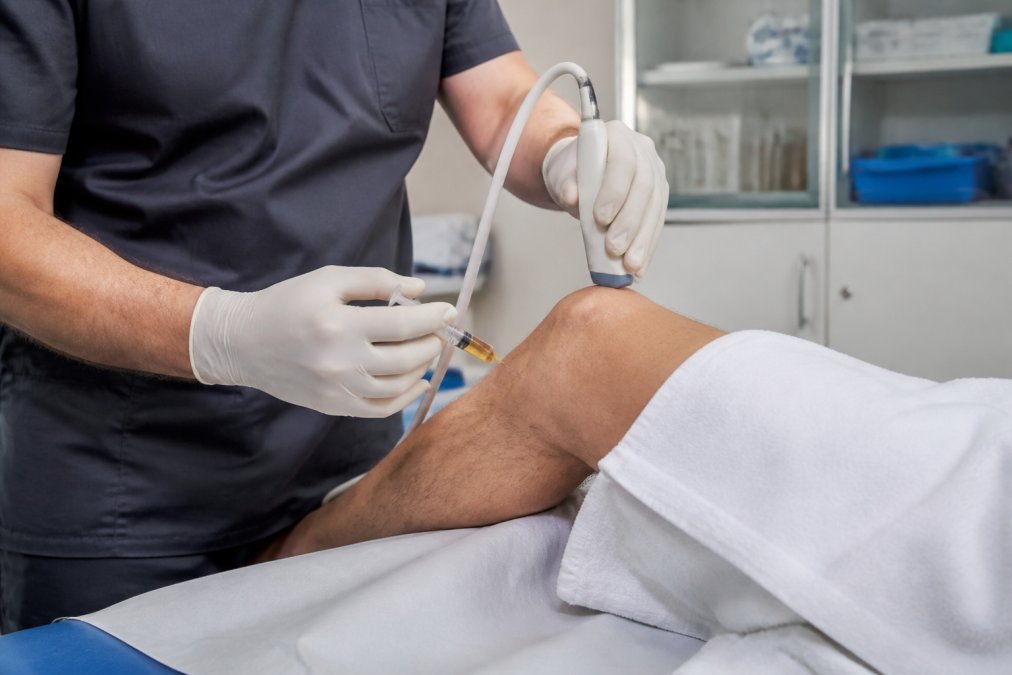
Stem cell therapies use undifferentiated cells that can differentiate into needed tissue types, cartilage, tendon, ligament. These are less standardized than PRP and typically more expensive. A small tissue or bone marrow sample is extracted, processed, and reinjected at the injury site. Recovery from extraction is minimal; most patients resume normal activities within 48 hours.
The healing mechanism relies on your body’s natural inflammatory and regenerative response. When growth factors and stem cells reach damaged tissue, they stimulate fibroblasts and other repair mechanisms. Regenerative approaches work best on partial tears, early-stage degenerative changes, and chronic inflammation where structural damage hasn’t progressed to complete failure. They don’t work on severe structural damage, complete tears with significant tissue loss, or severely degraded joint surfaces.
Are Regenerative Medicine Injections Worth It?
The honest answer depends on what you’re treating and your expectations.
The strongest evidence exists for PRP therapy in certain conditions. Tendonitis, particularly Achilles tendon and rotator cuff, shows consistent improvement in some patient populations. Early osteoarthritis, where cartilage is thinning but the joint isn’t mechanically unstable, also shows promise. "Improvement" varies: some patients experience pain reduction, others regain functional range of motion, some see both.
The evidence weakness is real. Most regenerative medicine treatments are not FDA-approved. Insurance rarely covers them, classifying them as experimental or investigational. You pay out-of-pocket and accept clinical uncertainty about efficacy. Most studies come from clinics offering these treatments, introducing bias.
A common mistake is treating regenerative medicine as a guaranteed alternative to surgery. Many patients try regenerative approaches, see minimal improvement, and then require surgery months later, adding time and cost to their overall treatment journey. The financial risk is real: if treatment fails, you’ve spent thousands on something that didn’t work, and you still need surgery.
Regenerative medicine has legitimate advantages if it works for your case. You avoid surgical trauma, infection risk, anesthesia complications, and the 3-6 month recovery period surgery demands. You can often return to light activity within days. The cost, while not trivial, is typically lower than surgery.
Advanced Health Center specializes in regenerative approaches because many patients benefit from avoiding surgery entirely. Our 40-year experience shows that the right patient, someone with partial tissue damage, good overall health, and realistic expectations, can achieve meaningful improvement without surgery.
Regenerative medicine is worth trying if your condition is mild-to-moderate, surgery hasn’t been recommended as urgent, and you can afford treatment without financial hardship. It’s not worth trying if you have severe structural damage, complete tears, or mechanical instability; surgery will likely be necessary anyway, and delaying it with failed regenerative treatments only compounds the problem.
Regenerative Medicine Recovery Time vs Surgical Recovery
Recovery time is one of the most concrete differences between these approaches.
Regenerative medicine recovery is measured in days, not months. After a PRP injection, you can typically resume light daily activities within 24-48 hours. You’ll avoid heavy lifting and intense exercise for 2-4 weeks to allow integration, but you’re not immobilized or in pain from surgical incisions. You’re not managing post-operative swelling and stiffness.
This matters enormously for working professionals and active people. An office worker can take a Friday afternoon off for a PRP injection and return Monday. An athlete can modify training but stay active. Life disruption is minimal.
Surgical recovery is fundamentally different. A knee replacement or rotator cuff repair requires 4-6 weeks of limited activity, then 3-6 months of structured physical therapy before approaching full function. You manage pain, swelling, and stiffness throughout. You depend on others for help with basic tasks in the first 1-2 weeks and deal with incision care and infection risk.
Post-operative physical therapy is non-negotiable after surgery; skipping it leads to stiffness, weakness, and poor outcomes. Regenerative medicine doesn’t require formal PT, though targeted exercises support healing. The rehabilitation burden is substantially lighter.
The trade-off: surgical recovery is longer but typically more predictable. Regenerative medicine recovery is faster but less certain; you might feel better in weeks or need surgery later, extending total recovery time.
For someone in their 60s or older, faster regenerative medicine recovery can be life-changing. Avoiding 6 months of post-surgical rehabilitation means you stay mobile, maintain muscle mass, and avoid deconditioning that often accompanies surgical recovery in older adults.
Insurance Coverage for Regenerative Medicine Treatments
Most insurance plans classify regenerative medicine treatments as experimental or investigational, meaning they don’t cover them. PRP therapy, stem cell therapy, and exosome treatments are typically out-of-pocket expenses. Insurance covers diagnostic imaging confirming candidacy, but the treatment itself is your responsibility.
Costs vary by clinic and treatment type. PRP injections range from $350-$2,000 per injection. Stem cell therapies cost $1,300-$50,000 or more. Exosome therapies can range from $1,000-$15,000 per session. Multiple treatments accumulate costs quickly.
Surgery is typically covered by insurance, at least the procedure itself. Your out-of-pocket cost depends on deductible and coinsurance, but insurance picks up the majority. A total knee replacement averages $20,000-$75,000 in procedure costs.
This creates a perverse financial incentive: surgery is often cheaper out-of-pocket than regenerative medicine, even though regenerative medicine is less invasive. Many patients choose surgery not because it’s best, but because insurance covers it.
Before committing to regenerative medicine, confirm your insurance position in writing. Ask about payment plans; many clinics offer financing options that make costs more manageable.
Advanced Health Center works with patients to navigate insurance complexity and discuss realistic costs upfront, explaining what insurance will and won’t cover and helping you make decisions based on clinical and financial factors.
Candidates for Regenerative Treatment vs Surgical Intervention
Not every patient is a candidate for regenerative medicine or surgery. The decision depends on condition severity, overall health, and functional goals.
Regenerative medicine candidates typically have:
- Partial or incomplete tears (not complete structural failure)
- Early-to-moderate degenerative changes (cartilage thinning, but joint not severely degraded)
- Chronic inflammation or tendonitis without mechanical instability
- Good overall health and realistic expectations
- Willingness to commit to post-treatment rehabilitation exercises
Surgical candidates have:
- Complete tears with significant tissue loss
- Severe structural damage or joint instability
- Mechanical symptoms like locking or catching
- Progressive neurological symptoms
- Failed conservative treatment (including failed regenerative approaches)
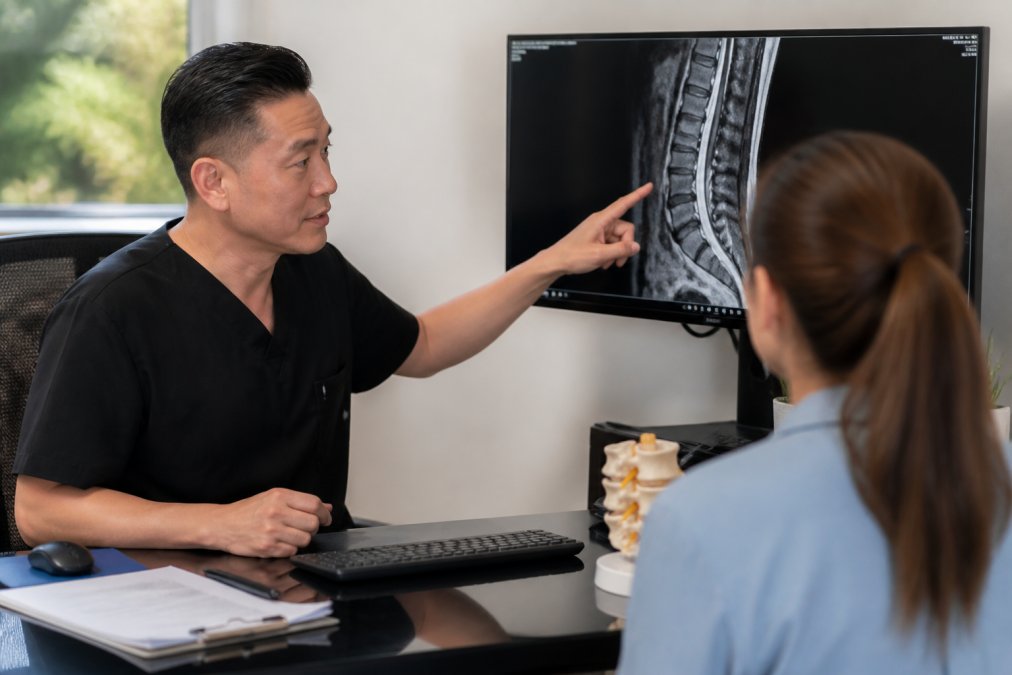
Age matters, but not as many assume. A 70-year-old in good health can be an excellent regenerative medicine candidate; faster recovery and lower surgical risk make it attractive. That same 70-year-old with severe osteoarthritis and mechanical instability needs surgery; regenerative medicine won’t address underlying structural problems.
Active seniors face a specific challenge. You want to maintain golf, hiking, and physical independence. Surgery offers a definitive solution but demands months of recovery. Regenerative medicine offers faster recovery but uncertain outcomes. The choice often depends on how much risk you’ll accept and how much recovery time you can invest.
Advanced Health Center evaluates each patient individually. Our 40 years managing complex cases means we’ve seen what works across different patient profiles. We’re honest about limitations: if surgery is necessary, we’ll tell you. If regenerative medicine is worth trying first, we’ll explain why and set realistic expectations.
Failure Rates and When Surgery Becomes Necessary
Regenerative medicine failure rates aren’t well-established because treatments are not FDA-approved and outcomes are tracked inconsistently. Clinical experience suggests failure rates of 20-40% depending on condition and treatment type. "Failure" means minimal or no improvement after 3-6 months.
When regenerative medicine fails, surgery remains an option, you’ve simply delayed it. The problem is that underlying damage may have progressed during the waiting period. A partial tear treatable with regenerative medicine 6 months ago might now be a complete tear requiring more extensive surgical repair.
Cost compounds. You spent thousands on regenerative treatment that didn’t work. You still need surgery. Your total out-of-pocket cost is now higher than if you’d gone straight to surgery, and your recovery timeline is longer.
Surgical failure is different but real. Complications include infection, blood clots, nerve damage, and poor healing. Revision surgery occurs in roughly 5-10% of cases. You can also have successful surgery that doesn’t restore full function; you regain pain relief and basic mobility but not pre-injury athletic performance.
The honest framework: regenerative medicine is reasonable if your condition is mild-to-moderate and you have time to wait for results. If you have severe damage or mechanical instability, surgery is likely inevitable; the question is whether you want to spend months on a regenerative approach that probably won’t work first.
Conclusion: Choosing Your Path to Recovery
The choice between regenerative medicine and surgery isn’t about which is objectively "better." It’s about matching treatment to your specific condition, timeline, financial situation, and risk tolerance.
Regenerative medicine makes sense if you have partial tissue damage, early degenerative changes, and time to wait for results. It avoids surgical trauma and offers faster recovery. Surgery makes sense if you have severe structural damage, mechanical instability, or if regenerative approaches have already failed.
The mistake most patients make is choosing based on fear of surgery or hope that a less invasive option will work. The right choice is based on what your condition actually is and what each approach can realistically accomplish.
Advanced Health Center has helped over 10,000 patients navigate this decision over 40 years. Our approach is rooted in honest assessment: we evaluate your condition, explain what regenerative medicine can and cannot do, and recommend the path most likely to restore your mobility and reduce your pain. If that path is regenerative medicine, we provide specialized, non-surgical treatments. If surgery is necessary, we’ll tell you directly.
Book your consultation today to discover how our personalized care can help you regain your health and return to the activities that matter to you.
Frequently Asked Questions
What are the main disadvantages of regenerative medicine compared to surgery?
Regenerative medicine requires patience, results typically appear over weeks to months, not immediately. Multiple sessions may be needed for optimal outcomes. Insurance rarely covers these treatments, making them an out-of-pocket expense. Success depends on the severity of tissue damage; advanced degenerative conditions may not respond well. Additionally, long-term safety data for newer therapies like exosomes is still being established, and results vary significantly between patients.
How does regenerative medicine recovery time compare to surgical procedures?
Regenerative medicine recovery is dramatically faster. PRP and stem cell injections involve minimal downtime, most patients resume light activity within days and normal activity within 1-2 weeks. Surgical procedures like knee replacement require 6-12 weeks of restricted activity and months of intensive physical therapy. However, regenerative treatments require a longer timeline to see functional improvements (4-12 weeks), while surgery often produces immediate mechanical changes. The trade-off: faster initial recovery with regenerative medicine, but slower functional restoration.
Is regenerative medicine safe, and what are the common risks?
Regenerative medicine is generally safe when performed by qualified practitioners using sterile techniques. Common risks are minimal: mild pain, swelling, or bruising at injection sites. Infection is rare but possible. PRP uses your own blood, eliminating rejection risk. Stem cell and exosome therapies carry theoretical risks around cell behavior and immune response, though serious complications are uncommon in clinical practice. Always verify your provider's credentials and ask about their infection protocols and complication rates.
When is surgery necessary instead of regenerative medicine?
Surgery becomes the better choice when tissue damage is severe, complete ligament tears, bone fractures requiring alignment, or advanced arthritis with bone-on-bone contact. If regenerative treatments fail after 2-3 sessions over 3-6 months, surgery may be the next step. Conditions causing mechanical locking, significant instability, or progressive neurological symptoms (nerve compression) typically require surgical intervention. Your provider should recommend surgery when imaging shows structural damage regenerative medicine cannot repair, or when your symptoms worsen despite treatment.
Ready to explore your treatment options? Advanced Health Center specializes in regenerative medicine approaches that address the root cause of musculoskeletal pain without surgery. Our 40 years of experience managing complex cases means we understand what works, and what doesn’t. Book your consultation today and get a personalized assessment of whether regenerative medicine or surgical intervention is right for your recovery.
This article was written using GrandRanker