

Table of Contents
- What Is Diabetic Neuropathy and Why Standard Treatments Fall Short
- How Regenerative Medicine for Diabetic Neuropathy Works
- Stem Cell Therapy for Peripheral Neuropathy: What the Research Shows
- Non-Surgical Neuropathy Pain Relief: Beyond Medication
- Diabetic Neuropathy Clinical Trials and Current Evidence
- Post-Treatment Recovery and Long-Term Maintenance
- Insurance, Cost Navigation, and Financial Considerations
- Is Regenerative Medicine Right for Your Diabetic Neuropathy
Last Updated: August 27, 2026
What Is Diabetic Neuropathy and Why Standard Treatments Fall Short
Diabetic neuropathy is nerve damage caused by prolonged high blood sugar levels, resulting in weakness, numbness, and pain, typically starting in the feet and hands. The condition affects roughly one in four people with diabetes. Standard treatments focus on symptom management through pain medications, topical creams, and glucose control, but they mask pain without addressing underlying nerve damage.
Conventional approaches treat the symptom, not the cause. Neuropathic pain medications like gabapentin or pregabalin cause side effects including dizziness, weight gain, and cognitive fog, and often lose effectiveness over time as the body adapts. Patients find themselves trapped, managing symptoms indefinitely without genuine nerve repair.
Regenerative medicine takes a fundamentally different approach. Instead of suppressing pain signals, regenerative therapies target damaged nerve tissue itself, promoting actual healing and nerve fiber regeneration. Advanced Health Center has helped patients with diabetic neuropathy escape this medication treadmill by addressing the root cause through natural, non-surgical regenerative treatments. The key difference: regenerative medicine focuses on restoring function, not just reducing discomfort.
How Regenerative Medicine for Diabetic Neuropathy Works
Regenerative medicine operates on a principle standard treatments ignore: your body has inherent healing capacity that can be activated and directed toward damaged nerve tissue. The process involves introducing therapeutic cells and growth factors directly to affected areas, stimulating the body’s own repair mechanisms.
When nerve damage occurs, surrounding tissue becomes inflamed and metabolically compromised. Blood flow decreases, nutrient delivery stalls, and damaged nerves lack the chemical signals needed to regenerate. Regenerative therapies reverse this environment by reducing inflammation, restoring blood flow, and delivering concentrated growth factors that trigger axon regeneration and nerve fiber repair.
The Role of Mesenchymal Stem Cells in Nerve Repair
Mesenchymal stem cells are the workhorses of regenerative medicine for diabetic neuropathy (peer-reviewed research). These multipotent cells originate from bone marrow, adipose tissue, or perinatal sources and can differentiate into multiple cell types while simultaneously secreting anti-inflammatory cytokines and growth factors.
When introduced to damaged nerve tissue, mesenchymal stem cells reduce inflammatory markers that perpetuate nerve damage, secrete neurotrophic factors like nerve growth factor (NGF) and brain-derived neurotrophic factor (BDNF) that directly stimulate nerve regeneration, promote angiogenesis to restore blood vessel formation, and create an environment where nerve fibers can repair and regrow.
The autologous approach (using your own cells) offers particular advantages. Your immune system recognizes the cells as self, eliminating rejection risk, and the cells retain their full regenerative potential without variability sometimes seen in allogeneic sources. This is why many practitioners prefer autologous mesenchymal stem cells for peripheral neuropathy applications.
Neuro-Regeneration and Axon Growth
Axon regeneration is the core mechanism by which nerve function returns. Damaged peripheral nerves require specific biological signals and an optimal tissue environment to repair themselves.
Reduced inflammation removes the brake on healing. By introducing anti-inflammatory cytokines, regenerative treatments lower inflammatory markers while growth factors simultaneously activate dormant repair pathways within nerve cells. Axons begin to extend, establishing new connections and restoring nerve conduction velocity. Nerve fiber density improves measurably over time, with patients showing reduced nerve fiber density in skin biopsies before treatment and measurable recovery afterward. This is documented through quantitative sensory testing and nerve conduction studies performed before and after treatment.
Stem Cell Therapy for Peripheral Neuropathy: What the Research Shows
The clinical evidence supporting stem cell therapy for peripheral neuropathy continues to expand. Multiple clinical trials have demonstrated measurable improvements in nerve function, pain reduction, and restoration of sensation in patients with diabetic polyneuropathy.
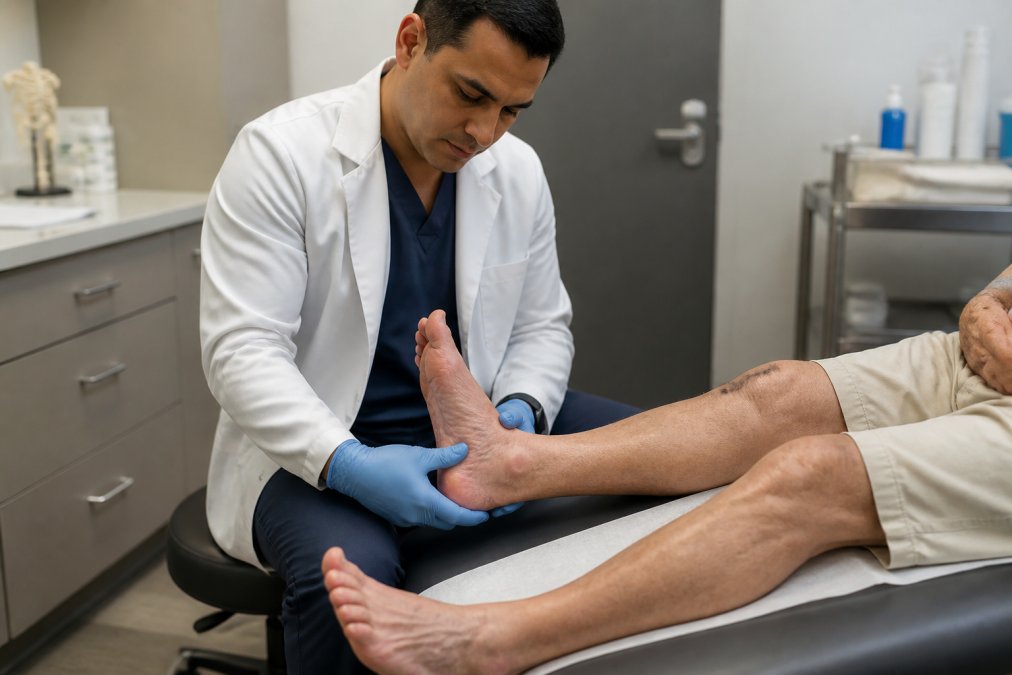
Research from the National Institutes of Health’s clinical trial database documents ongoing studies evaluating mesenchymal stem cell therapy for diabetic peripheral neuropathy. These trials measure nerve conduction velocity, sensory thresholds, pain scores, and functional outcomes. Patients receiving regenerative therapy show objective improvements in nerve function alongside subjective pain relief.
Patient outcomes typically include improved sensation in affected areas, reduced neuropathic pain intensity, and better tolerance for standing and walking. Some patients report restoration of temperature sensation and protective sensation in the feet, critical for preventing diabetic foot ulcers. Regenerative medicine for diabetic neuropathy doesn’t promise to reverse all damage overnight. Severe, long-standing neuropathy requires time for nerve fiber regrowth. Most patients require 3-6 months to observe meaningful functional improvement, though pain reduction often begins within weeks (the NIH).
Safety profiles from clinical research show that properly administered stem cell therapy carries minimal risk when performed by qualified practitioners. The cells are your own (in autologous applications) or carefully screened donor cells (in allogeneic protocols), reducing adverse reactions. This contrasts sharply with the cumulative side effect burden of long-term neuropathy medication use.
Non-Surgical Neuropathy Pain Relief: Beyond Medication
The pharmaceutical approach to neuropathic pain management has inherent limitations. Medications suppress nerve signals but don’t repair underlying nerve damage. Over time, tolerance develops and the same dose becomes less effective. Common neuropathy medications carry side effects that compound the patient’s burden: cognitive effects, weight gain, dizziness, and increased fall risk in older adults.
Regenerative medicine offers a genuinely different pathway. By addressing tissue-level damage rather than just blocking pain signals, regenerative therapies can produce lasting improvement without progressive tolerance or systemic side effects.
Someone managing neuropathic pain with medication alone faces years of escalating doses, medication changes, and accumulating side effects. Someone receiving regenerative therapy experiences initial pain reduction followed by progressive functional improvement as nerve tissue actually repairs. Advanced Health Center has helped patients transition from medication-dependent pain management to regenerative approaches that restore actual nerve function, shifting from "managing pain" to "healing nerve tissue."
Diabetic Neuropathy Clinical Trials and Current Evidence
Clinical trial data provides the most reliable evidence for regenerative medicine for diabetic neuropathy. These controlled studies measure objective outcomes, nerve conduction velocity, sensory thresholds, pain scores on standardized scales, rather than relying solely on patient report.
Current trials examining mesenchymal stem cell therapy for diabetic peripheral neuropathy show consistent patterns. Patients receiving active treatment demonstrate measurable improvements in nerve conduction velocity within 3-6 months. Sensory testing shows recovery of protective sensation in previously numb areas. Pain scores decline significantly compared to control groups. Functional outcomes improve, with patients reporting better balance, reduced fall risk, and improved ability to perform daily activities.
Studies measuring inflammatory markers show that stem cell therapy reduces circulating levels of pro-inflammatory cytokines. Tissue biopsy studies document increased nerve fiber density following treatment. Imaging studies reveal improved microvascular perfusion in previously ischemic tissue. These are measurable, objective changes in nerve tissue health. Nerve conduction studies provide quantitative data on how quickly electrical signals travel along the nerve. When these objective measures improve significantly, it indicates genuine nerve regeneration, not just placebo effect.
Post-Treatment Recovery and Long-Term Maintenance
Recovery following regenerative medicine for diabetic neuropathy follows a predictable timeline, though individual variation exists based on disease severity, duration, and metabolic control.

The first 2-4 weeks post-treatment allow therapeutic cells to establish themselves and begin secreting growth factors. Most patients experience minimal restrictions during this period; normal daily activities continue, though intense exercise is typically deferred. Pain often begins to improve as inflammation decreases.
Book your consultation today! →
Weeks 4-12 represent the active regeneration phase. Nerve fibers begin extending, new connections form, and sensory function gradually improves. Patients notice progressive increases in sensation, improved balance, and reduced pain intensity. Consistent metabolic control becomes critical during this period, as maintaining stable blood glucose levels supports regeneration and prevents new nerve damage.
Long-term maintenance requires attention to metabolic factors that caused the original damage. Strict glycemic control remains essential; regenerative therapy repairs existing damage but doesn’t eliminate the underlying metabolic dysfunction. Blood sugar management, regular physical activity, and proper foot care form the foundation of lasting improvement.
Many patients benefit from periodic follow-up treatments, particularly if they experience metabolic challenges or disease progression. Unlike medication-based approaches where tolerance develops, regenerative therapy maintains its effectiveness across multiple treatments. The rehabilitation protocol typically includes gentle stretching, progressive weight-bearing activities, and sensory retraining exercises that accelerate functional recovery.
Insurance, Cost Navigation, and Financial Considerations
Most insurance plans classify regenerative medicine treatments as investigational or experimental, which typically places them outside standard coverage. This reflects the relative newness of these therapies compared to conventional treatments, not their safety or efficacy.
Out-of-pocket costs vary significantly based on treatment type, cell source, and the number of injection sites. Autologous therapies generally cost more than allogeneic approaches due to cell harvesting and processing requirements. Treatment involving multiple anatomical areas costs more than single-site treatment. Many practices offer payment plans or financing options.
Before pursuing regenerative medicine for diabetic neuropathy, patients should request a detailed cost estimate, inquire about what’s included and what constitutes additional charges, ask whether the practice offers payment plans or financing partnerships, verify whether your insurance will cover any portion of treatment, and understand the cancellation and refund policy.
Some patients find that the long-term cost of regenerative therapy, even without insurance coverage, compares favorably to years of escalating medication costs, specialist visits, and management of neuropathy complications like foot ulcers. Advanced Health Center provides transparent pricing and works with patients to understand financial options before treatment begins.
Is Regenerative Medicine Right for Your Diabetic Neuropathy
Determining whether regenerative medicine for diabetic neuropathy suits your situation requires honest assessment of disease severity, duration, metabolic control, and your specific goals.
Regenerative therapy works best for patients with moderate neuropathy who maintain reasonably stable blood glucose levels. If your diabetes remains poorly controlled despite medication, regenerative therapy will have limited effectiveness. Conversely, if your neuropathy is mild and stable, the cost and commitment may not justify treatment.
Duration matters significantly. Patients with neuropathy lasting 5-10 years typically show better outcomes than those with 20+ years of nerve damage. Your metabolic control going forward is equally important. Regenerative therapy repairs existing damage but doesn’t change the underlying metabolic dysfunction that causes diabetic neuropathy.
Consider your specific functional goals. Some patients prioritize pain reduction. Others prioritize restoration of sensation to prevent foot ulcers. Still others want improved balance and reduced fall risk. A detailed consultation clarifies these priorities and helps determine whether regenerative medicine aligns with your needs.
Red flags suggesting regenerative therapy may not be appropriate include uncontrolled diabetes despite multiple medications, severe active infections in the treatment area, recent cardiac events, or severe systemic illness. Many patients find that regenerative medicine for diabetic neuropathy offers genuine hope where conventional approaches provided only temporary symptom management.
Diabetic neuropathy doesn’t have to mean years of progressive nerve damage and medication dependency. Advanced Health Center specializes in regenerative medicine for diabetic neuropathy, addressing the root cause of nerve damage through non-surgical, drug-free treatments that actually repair nerve tissue. Our team has guided patients through successful regenerative therapy, helping them restore sensation, reduce pain, and regain mobility. Book your consultation today to discover whether regenerative medicine is right for your neuropathy and learn how we can help you reclaim your quality of life.
| Treatment Approach | Primary Mechanism | Typical Timeline | Best For |
|---|---|---|---|
| Medication Management | Pain signal suppression | Weeks | Mild symptoms, temporary relief |
| Physical Therapy | Strengthening and adaptation | Months | Functional improvement without tissue repair |
| Regenerative Medicine | Nerve tissue repair and regeneration | 3-6 months | Moderate neuropathy with metabolic control |
| Surgical Intervention | Nerve decompression | Weeks to months | Specific anatomical compression |
Regenerative medicine for diabetic neuropathy works by repairing actual nerve tissue through stem cell therapy and growth factor delivery, not just masking pain like conventional medications. This produces lasting functional improvement rather than temporary symptom suppression.
Regenerative therapy requires stable blood glucose control to succeed. If your diabetes remains poorly managed, regenerated nerve tissue faces renewed damage. Commit to metabolic management before pursuing treatment.
The first 4-12 weeks post-treatment are critical for regeneration. Gentle stretching, progressive weight-bearing activities, and sensory retraining exercises accelerate functional recovery by helping your nervous system integrate newly regenerated nerve fibers. Work with a physical therapist familiar with post-regeneration therapy protocols.
=== FAQ ANSWERS (audit these too, same rules) ===
[1] Q: Can diabetic neuropathy be reversed with regenerative medicine?
A: Regenerative medicine approaches like stem cell therapy aim to repair nerve damage and reduce neuropathic pain by promoting neuro-regeneration and reducing inflammation. While complete reversal depends on the severity and duration of nerve damage, clinical research shows that regenerative treatments can improve nerve function, reduce numbness and tingling, and restore some functional capacity. Results vary by individual and treatment protocol.
[2] Q: How do mesenchymal stem cells help repair diabetic nerve damage?
A: Mesenchymal stem cells possess multipotency and can differentiate into nerve-supporting cells. They also secrete cytokines with anti-inflammatory and immunomodulatory properties that reduce neuropathic pain and promote axon regeneration. These cells enhance angiogenesis, improving blood flow to damaged nerves, and support nerve fiber density recovery. This multi-mechanism approach addresses both the structural and inflammatory aspects of diabetic peripheral neuropathy.
[3] Q: What are the main differences between regenerative medicine and traditional neuropathy treatments?
A: Traditional treatments like medications and cortisone injections manage symptoms but don’t address the root cause of nerve damage. Regenerative medicine targets the underlying nerve injury through neuro-regeneration and tissue repair. Rather than masking pain, these therapies work to restore nerve function and microvascular health. This approach often reduces long-term medication dependence and offers the potential for sustained improvement rather than temporary symptom relief.
[4] Q: Is regenerative medicine for diabetic neuropathy covered by insurance?
A: Coverage varies significantly by insurance plan and provider. Many regenerative treatments remain classified as experimental or investigational by major insurers, which limits reimbursement. However, some plans may cover portions of treatment, especially when performed as part of clinical trials. Contact Advanced Health Center directly to discuss your specific insurance situation and explore financing options that fit your budget.
Frequently Asked Questions
Can diabetic neuropathy be reversed with regenerative medicine?
Regenerative medicine approaches like stem cell therapy aim to repair nerve damage and reduce neuropathic pain by promoting neuro-regeneration and reducing inflammation. While complete reversal depends on the severity and duration of nerve damage, clinical research shows that regenerative treatments can improve nerve function, reduce numbness and tingling, and restore some functional capacity. Results vary by individual and treatment protocol.
How do mesenchymal stem cells help repair diabetic nerve damage?
Mesenchymal stem cells possess multipotency and can differentiate into nerve-supporting cells. They also secrete cytokines with anti-inflammatory and immunomodulatory properties that reduce neuropathic pain and promote axon regeneration. These cells enhance angiogenesis, improving blood flow to damaged nerves, and support nerve fiber density recovery. This multi-mechanism approach addresses both the structural and inflammatory aspects of diabetic peripheral neuropathy.
What are the main differences between regenerative medicine and traditional neuropathy treatments?
Traditional treatments like medications and cortisone injections manage symptoms but don't address the root cause of nerve damage. Regenerative medicine targets the underlying nerve injury through neuro-regeneration and tissue repair. Rather than masking pain, these therapies work to restore nerve function and microvascular health. This approach often reduces long-term medication dependence and offers the potential for sustained improvement rather than temporary symptom relief.
Is regenerative medicine for diabetic neuropathy covered by insurance?
Coverage varies significantly by insurance plan and provider. Many regenerative treatments remain classified as experimental or investigational by major insurers, which limits reimbursement. However, some plans may cover portions of treatment, especially when performed as part of clinical trials. Contact Advanced Health Center directly to discuss your specific insurance situation and explore financing options that fit your budget.
This article was written using GrandRanker