

Table of Contents
- What to Expect in the First 48 Hours After Regenerative Injections
- Regenerative Medicine Recovery Timeline: Week by Week
- Factors Affecting Stem Cell Therapy Results and Healing Speed
- Post-Injection Care for Regenerative Medicine Success
- Condition-Specific Recovery Timelines
- Signs of Progress vs. Treatment Failure
- Long-Term Outcomes and Maintenance
- Conclusion
Last Updated: August 28, 2026
What to Expect in the First 48 Hours After Regenerative Injections
The first 48 hours after regenerative injections are critical for establishing conditions that support cellular healing. Most patients experience localized swelling, mild discomfort, and temporary stiffness as the body’s initial inflammatory response activates. This is not a sign of failure, it’s the beginning of the regenerative process.
During this window, injected cells and growth factors begin signaling to surrounding tissues, triggering immune cell recruitment and activating dormant repair mechanisms. Rest is your primary tool during these first two days. Avoid strenuous activity, heavy lifting, and repetitive movements that stress the treated area. Ice application (15 minutes on, 15 minutes off) helps manage inflammation without suppressing the beneficial inflammatory cascade. Hydration and sleep matter significantly, your body needs adequate fluids to support cellular communication and sleep is when tissue repair accelerates.
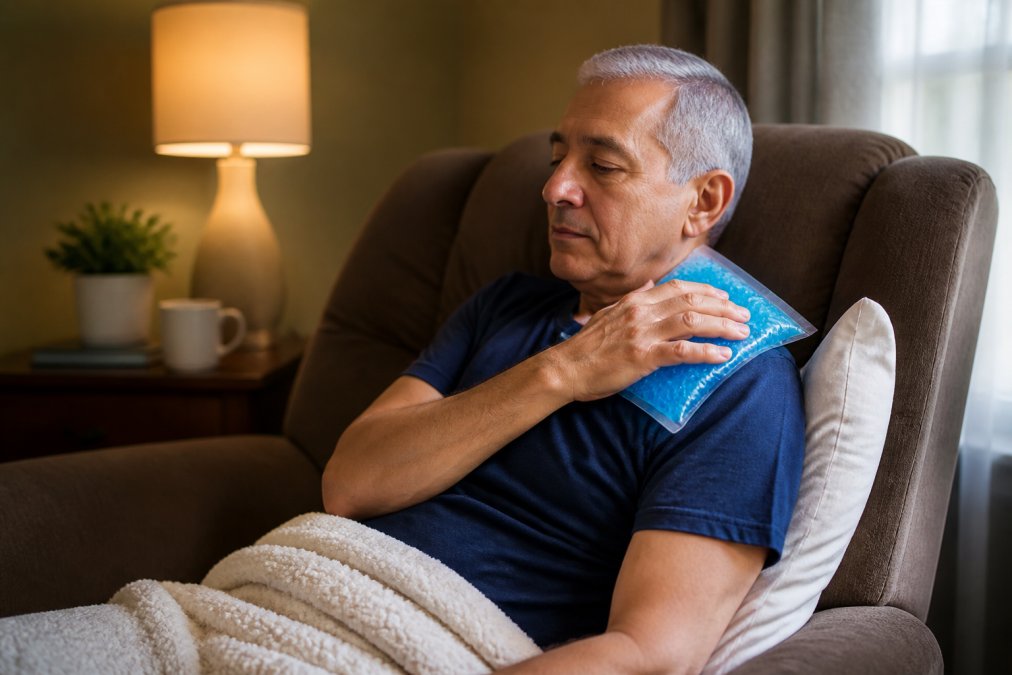
By the end of day two, initial swelling typically peaks and begins to stabilize. Some patients notice reduced pain early, though meaningful functional improvement takes longer.
Regenerative Medicine Recovery Timeline: Week by Week
Understanding the week-by-week progression helps you recognize normal healing versus complications. Each phase builds on the previous one, with distinct biological events driving the timeline forward.
Weeks 1-2: Initial Inflammatory Response
The first two weeks represent the inflammatory phase of tissue repair. Inflammation is not the enemy, it’s the necessary first step. Injected regenerative cells and growth factors trigger a controlled inflammatory cascade that recruits immune cells, clears debris, and sets the stage for new tissue formation.
Peak swelling typically occurs around days 3-5, followed by gradual improvement. Pain may fluctuate as inflammation increases then decreases. Some patients report temporary symptom worsening before improvement, which is common and typically resolves within 10-14 days. Avoid heavy exercise, but gentle movement promotes circulation and prevents stiffness. At Advanced Health Center, we emphasize that patience during this phase is critical, the inflammation you feel is productive, your body’s way of initiating healing.
Weeks 3-6: Cellular Proliferation Begins
This phase marks the transition from inflammation to active tissue building. Growth factors and regenerative cells signal fibroblasts to proliferate and lay down new tissue matrix. Many patients notice significant improvement in pain and mobility during weeks 3-6. Movement becomes easier, swelling decreases, and functional capacity improves noticeably.
Gradual activity progression becomes appropriate. The key is gradual progression, pushing too hard too fast can overwhelm developing tissue and delay recovery. Adequate nutrition, particularly protein and micronutrients supporting collagen synthesis, accelerates this phase.
Weeks 7-12: Tissue Regeneration and Functional Improvement
By week 7, you’re entering the tissue maturation phase. New tissue becomes more organized, stronger, and more functional. Most people experience 40-60% functional improvement by weeks 8-10, with continued gains through week 12 (peer-reviewed research). Activities that were painful become tolerable. Range of motion expands. Strength begins to return.
Rehabilitation becomes more aggressive during this window. Structured physical therapy, progressive strengthening, and sport-specific training become appropriate. The tissue being formed is substantially stronger and more resilient by week 12, though complete maturation continues beyond this point.
Months 4-6: Peak Improvement and Healing Cycles
Months 4-6 represent the phase where most patients reach maximum improvement from the initial injection. Regenerated tissue has matured significantly, collagen has organized into functional architecture, and the treated area has integrated back into normal movement patterns. During this phase, healing cycles continue at a slower pace. Patients often maintain or slightly improve their functional status through months 4-6, then stabilize.
This window is important for establishing long-term habits that support your results. Strength gains and movement patterns you develop now become your baseline.
Factors Affecting Stem Cell Therapy Results and Healing Speed
How long for regenerative results varies significantly based on multiple factors influencing the biological response.
Age and metabolic health significantly influence healing speed. Younger patients typically progress faster through each phase with stronger cellular responses. However, older patients absolutely can achieve excellent results, the timeline simply extends.
Condition severity is perhaps the most important factor. Early-stage cartilage wear recovers faster than advanced degeneration. Fresh injuries respond more quickly than chronic conditions present for years.
Injection quality and technique matter substantially. Accurate placement of cells directly into damaged tissue produces better results. Advanced Health Center’s over 40 years of experience managing complex cases reflects the importance of precise injection technique.
Post-injection adherence directly affects how long for regenerative results appears. Patients who follow activity restrictions, complete rehabilitation protocols, and maintain appropriate nutrition progress faster.
Type of regenerative cells used influences timeline. Autologous cells typically show slower initial response but more durable long-term results. Allogeneic cells may show faster early improvement but sometimes plateau sooner. injectable treatment results.
Underlying metabolic factors like blood sugar control, inflammatory status, and nutritional status influence healing speed. Well-controlled diabetes heals faster than poorly controlled diabetes.
Lifestyle factors during recovery shape outcomes. Sleep deprivation slows tissue repair. Smoking impairs circulation and delays healing. Good sleep, stress management, and appropriate nutrition accelerate progress.
Post-Injection Care for Regenerative Medicine Success
The weeks following your injection represent an active healing phase, not a passive waiting period. Specific care practices directly influence how long for regenerative results manifests and how complete your recovery becomes.

Activity modification is foundational. The first 1-2 weeks require significant restriction, no heavy lifting, high-impact activities, or repetitive stress on the treated area. Weeks 3-6 allow gradual progression to light activity. Weeks 7-12 support more aggressive rehabilitation.
Ice and heat application serve different purposes at different phases. Ice (15 minutes on, 15 minutes off) helps manage swelling and pain, particularly in the first 2-3 weeks (the NIH). Heat application (after swelling resolves) promotes circulation and supports tissue flexibility.
Book your consultation today! →
Compression via elastic wraps or compression sleeves helps manage swelling and provides proprioceptive feedback. Elevation of the treated area reduces swelling by promoting venous return.
Physical therapy and rehabilitation should be structured and progressive, respecting the tissue maturation timeline. Nutrition optimization directly supports tissue regeneration. Protein intake should meet or exceed 1.2 grams per kilogram of body weight (peer-reviewed research). Micronutrients like vitamin C, zinc, and copper support collagen cross-linking.
Hydration supports cellular communication, nutrient delivery, and waste removal. Sleep prioritization is critical, growth hormone peaks during deep sleep, driving tissue repair. Stress management matters because chronic stress elevates cortisol, suppressing immune function and impairing healing.
Condition-Specific Recovery Timelines
Different conditions follow somewhat different recovery trajectories based on tissue type, damage severity, and functional demands.
Back and Neck Pain Recovery
Low back pain and neck pain often involve multiple tissue types, disc tissue, ligaments, facet joints, and surrounding muscles. Discogenic back pain typically shows improvement by weeks 3-4 as inflammation decreases. Facet joint pain typically responds faster, with noticeable improvement by weeks 2-3. Ligamentous injuries show slower initial response because ligaments have limited blood supply, but once healing begins, it tends to be durable. Neck pain recovery follows similar patterns but often progresses slightly faster than low back pain due to better cervical tissue circulation.
Joint and Shoulder Injuries
Shoulder injuries encompass rotator cuff tears, labral damage, cartilage wear, and glenohumeral joint arthritis. Rotator cuff tendon injuries typically show pain improvement by weeks 2-3, with full functional restoration often requiring 12-16 weeks. Labral tears show slower initial response, often 3-4 weeks before noticeable improvement, with peak improvement typically occurring around months 4-5. Shoulder osteoarthritis shows gradual improvement over the full recovery period, with peak improvement often occurring around months 5-6.
Diabetic Neuropathy and Nerve Regeneration
Diabetic neuropathy represents a different healing challenge because it involves nerve tissue regeneration, which is inherently slower than most other tissues. Initial improvement in neuropathic pain often appears by weeks 3-4, but meaningful functional improvement typically takes 8-12 weeks or longer. Peak improvement often occurs around months 5-6, with continued subtle improvements through month 12 and beyond. At Advanced Health Center, our specialized experience with diabetic condition improvement since 1996 reflects the importance of addressing metabolic factors alongside regenerative therapy.
Signs of Progress vs. Treatment Failure
Distinguishing normal healing progression from inadequate response helps you know when to continue following your protocol versus when to seek additional evaluation.
Normal progress indicators include: pain reduction beginning by weeks 2-3, gradual swelling improvement over weeks 1-4, increasing range of motion by weeks 4-6, improved function with daily activities by weeks 6-8, and continued subtle improvements through month 6. Progress is often non-linear, temporary setbacks are normal and don’t indicate failure.
Concerning signs warranting professional evaluation include: worsening pain after weeks 2-3 despite following activity restrictions, significant swelling that increases rather than decreases after weeks 3-4, no functional improvement by weeks 6-8, or pain that remains severe at baseline with no trend toward improvement.
Infection signs (rare but important) include: fever, increasing warmth and redness at the injection site, purulent drainage, or systemic illness symptoms. These require immediate medical attention. Nerve symptoms like persistent numbness, worsening tingling, or weakness warrant evaluation to rule out nerve involvement.
The difference between slow progress and treatment failure is often timing. Many conditions showing minimal improvement at weeks 4-6 show substantial improvement by week 12.
Long-Term Outcomes and Maintenance
Peak improvement from regenerative injections typically occurs around months 4-6, but long-term outcomes depend on maintaining improvements and preventing re-injury.
Durability of regenerative results varies by condition. Cartilage regeneration tends to be durable, once new cartilage forms and integrates, it often persists long-term. However, degenerative conditions may show gradual progression over years, requiring maintenance strategies.
Maintenance protocols typically involve: continuing appropriate strength and flexibility work beyond initial recovery, maintaining activity levels that keep tissues strong without overloading them, managing body weight to reduce joint stress, continuing nutritional support for tissue health, and managing systemic health factors like blood sugar and inflammation.
Repeat treatments may be appropriate for some conditions. Some patients benefit from a second injection 6-12 months after the first, particularly for severe degenerative conditions. Activity modification remains important long-term, gradual return to demanding activities, combined with continued strengthening and flexibility work, supports durable outcomes.
Lifestyle factors continue to matter. Sleep, nutrition, stress management, and activity patterns that supported initial healing continue to support long-term maintenance.
Chronic pain and mobility limitations don’t have to be permanent. The regenerative results timeline you’ve learned here shows that meaningful healing is possible when you understand what to expect and commit to supporting your body’s natural repair processes. Advanced Health Center specializes in helping patients navigate regenerative medicine treatments with personalized protocols designed around your specific condition, recovery phase, and long-term goals. Our multi-faceted approach addresses not just the injection itself, but the nutritional support, rehabilitation guidance, and activity management that determine whether you achieve peak improvement. Book your consultation today to discover how our over 40 years of experience managing complex cases can help you regain the mobility and pain-free function you’re seeking.
Frequently Asked Questions
Q: How long does it take to see results from regenerative medicine?
A: Most patients report subtle improvements within 2-3 weeks as inflammation reduces and cellular proliferation begins. Noticeable functional improvements typically appear between weeks 4-8. Peak results usually occur at 3-6 months as tissue regeneration completes its healing cycles. The timeline varies based on the condition treated, your age, and how well you follow post-injection care protocols. Some patients experience continued improvement up to 12 months after treatment.
Q: What factors influence the timeline of regenerative medicine recovery?
A: Your age, overall health, the severity of your condition, and the specific regenerative modality used all affect healing speed. Younger patients typically see faster cellular proliferation. Lifestyle factors matter significantly: proper nutrition supports growth factors, adequate rest allows tissue repair, and avoiding re-injury prevents setbacks. Compliance with rehabilitation protocols and post-injection care instructions directly impacts how quickly you progress. Pre-existing conditions like diabetes may slow recovery, though regenerative medicine can still benefit patients managing these conditions alongside their medical care.
Q: What can I do to support faster healing after regenerative injections?
A: Follow your post-injection care plan strictly: avoid strenuous activity for the first 1-2 weeks, apply ice as directed, and attend all scheduled rehabilitation sessions. Nutrition matters, ensure adequate protein intake to support cellular proliferation and tissue regeneration. Stay hydrated and get sufficient sleep, as these support your body's natural healing cycles. Manage inflammation through proper movement patterns and avoid activities that stress the treated area. Work closely with your provider on your rehabilitation protocol; consistent, targeted exercises accelerate functional recovery and optimize therapeutic efficacy.
Q: Is regenerative medicine a permanent solution for chronic pain?
A: Regenerative medicine treats the root cause of pain through tissue repair and cellular regeneration rather than masking symptoms. Many patients experience long-term pain relief lasting years after treatment. However, results depend on maintaining healthy habits and avoiding re-injury. Some conditions may benefit from periodic maintenance treatments to sustain long-term outcomes. Your provider can discuss realistic expectations for your specific condition and create a maintenance plan if needed.
This article was written using GrandRanker