

Table of Contents
- Understanding Herniated Disc Pain and Non-Surgical Treatment
- Physical Therapy for Herniated Disc Recovery
- Epidural Steroid Injections and Nerve Root Relief
- Anti-Inflammatory Medications and Pain Management
- Exercises to Avoid With Herniated Disc and Safe Alternatives
- Herniated Disc Recovery Timeline: What to Expect
- Additional Non-Surgical Approaches: Heat Therapy, Acupuncture, and Chiropractic Care
- Why Non-Surgical Treatment Works for Herniated Disc Pain
- Frequently Asked Questions
Last Updated: September 20, 2026
Understanding Herniated Disc Pain and Non-Surgical Treatment
A herniated disc occurs when the soft inner core of a spinal disc pushes through the tougher outer layer, often pressing on nearby nerves. This can cause sharp pain, numbness, or weakness in the back, neck, or limbs. The good news: most people with herniated disc pain recover without surgery.
Non-surgical herniated disc treatment reduces inflammation, relieves nerve pressure, and restores function. Many patients improve significantly within weeks to months using conservative approaches.
Recovery depends on herniation severity, age, activity level, and treatment consistency. The right combination varies by individual.
The first step is getting an accurate diagnosis. Imaging studies like MRI can confirm a herniated disc, but they don’t always predict outcomes. Some people with severe disc herniations feel minimal pain, while others with smaller herniations experience debilitating symptoms. This is why personalized treatment matters more than the imaging results alone.
Physical Therapy for Herniated Disc Recovery
Physical therapy is one of the most effective non-surgical herniated disc treatments, using targeted exercises to strengthen core muscles, improve posture, and reduce nerve pressure.
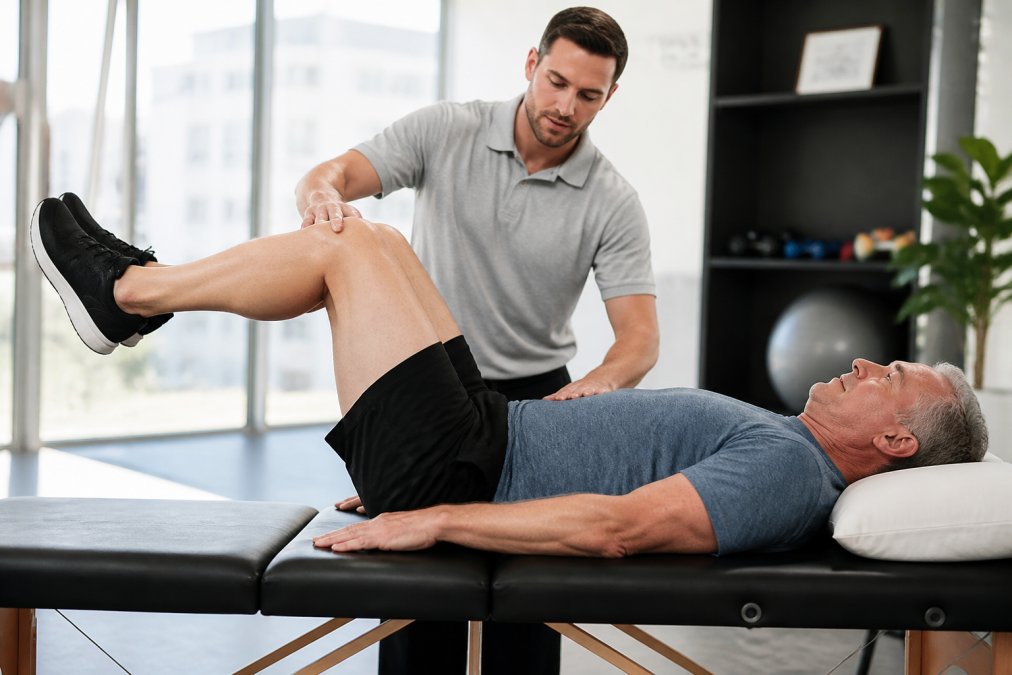
The goals of physical therapy include:
- Restoring range of motion in your spine
- Building strength in deep core muscles that support your vertebrae
- Improving flexibility and reducing muscle tension
- Teaching proper body mechanics for daily activities
- Preventing future disc problems
Treatment progresses from gentle movements to challenging exercises, with initial focus on pain relief and inflammation, shifting to strengthening as you improve.
Physical therapy typically requires 2-3 visits weekly for 4-8 weeks, tapering as you improve. Consistency matters more than intensity.
Physical therapy works best when you’re actively involved in your recovery. Patients who do their home exercises between sessions recover faster than those who only attend appointments.
Epidural Steroid Injections and Nerve Root Relief
An epidural steroid injection delivers anti-inflammatory medication directly to the nerve root space, reducing swelling and providing relief for weeks or months. The 15-minute procedure uses imaging guidance and allows same-day return home.
Epidural steroid injections work best for:
- Acute flare-ups causing severe pain
- Radiculopathy (radiating pain down the arm or leg)
- Nerve root compression from disc herniation
- Patients who need relief while pursuing physical therapy
Most people receive 1-3 injections spaced weeks apart, with effects lasting 4-12 weeks. Injections often enable physical therapy while pain is managed.
Serious complications are rare. Some patients experience temporary increased pain for 24-48 hours, resolving with ice and rest.
Anti-Inflammatory Medications and Pain Management
Over-the-counter and prescription medications help manage pain while your body heals. Anti-inflammatory drugs reduce swelling around the nerve, while muscle relaxants ease tension in surrounding tissues.
Common options include:
- NSAIDs (ibuprofen, naproxen): Reduce inflammation and pain
- Muscle relaxants: Ease muscle spasms that worsen pain
- Acetaminophen: Pain relief without anti-inflammatory effects
- Prescription medications: For more severe pain or inflammation
Medications work best as part of a broader plan including physical therapy and activity modification. Using medication to enable therapy is smart; using it alone typically leads to recurring pain.
Long-term reliance on pain medication can mask your body’s signals about what movements help or hurt. This can lead to re-injury. Use medication strategically to manage pain while you work on strengthening and healing, not as a permanent solution.
Most people can reduce or stop medications as their condition improves. Work with your healthcare provider to find the right dose and timing for your situation.
Exercises to Avoid With Herniated Disc and Safe Alternatives
Certain movements aggravate herniated disc pain. Understanding what to avoid prevents setbacks, as does optimizing workspace ergonomics, most desk-worker herniated disc pain stems from prolonged poor posture.
Movements to Avoid
Exercises to avoid include:
- Heavy deadlifts and bent-over lifts
- Full sit-ups and crunches
- High-impact activities like running (early in recovery)
- Extreme spinal twisting movements
- Heavy overhead pressing
- Prolonged forward bending (reaching down to pick up objects)
- Repetitive twisting motions
Smooth, controlled, pain-free movements are usually safe. Avoid jerky movements, heavy loads, or sharp pain.
Safe Strengthening Alternatives
Safe alternatives that strengthen without aggravating:
- Partial curl-ups with proper support
- Planks and modified planks
- Glute bridges for hip and core strength
- Walking and low-impact cardio
- Swimming and water therapy
- Bird dogs and quadruped exercises
- Gentle yoga focused on flexibility
- Prone press-ups (McKenzie extension exercises, if appropriate for your herniation type)
Your physical therapist will identify safe exercises for your specific herniation, as safety varies by location and severity.
Ergonomic Workspace Setup: The Missing Piece
Workspace setup directly impacts recovery for desk workers spending 6-8 hours daily at a computer.
Monitor and Screen Position
- Position monitor at arm’s length (20-26 inches), top at or slightly below eye level
- Elevate laptops with stands; use external keyboard and mouse
- Avoid downward screen viewing, which increases disc pressure
Chair and Desk Height
Book your consultation today! →
- Chair must support natural lumbar curve; elbows at 90 degrees when typing
- Feet flat on floor; seat depth allows 2-3 inches between knees and seat edge
- Use adjustable lumbar support or lumbar roll
Keyboard and Mouse
- Keep keyboard and mouse close; maintain neutral wrist position
- Use keyboard tray if needed; consider ergonomic mouse
Movement Breaks
- Stand and walk 2-3 minutes every 30 minutes
- Perform gentle spinal extension hourly
- Avoid one position longer than 60 minutes
Additional Workspace Considerations
- Keep frequently used items at arm’s reach; use headset for calls
- Position desk near window for natural light; use document holder at eye level
Optimizing workspace often produces more pain relief than any single treatment, since poor ergonomics continuously re-aggravate your disc. Small investments, lumbar support pillow ($30-60), monitor stand ($20-40), or ergonomic keyboard ($40-80), accelerate recovery.
Herniated Disc Recovery Timeline: What to Expect
Recovery from herniated disc pain varies widely. Some people improve in weeks. Others take months. Understanding typical timelines helps set realistic expectations.
Weeks 1-2: Focus on pain management with rest, ice, and medication. Light activity like walking is fine.
Weeks 3-6: Pain decreases; physical therapy intensifies with gentle strengthening. Most return to light daily activities.
Weeks 6-12: Continued improvement with consistent therapy; gradual activity increase and core strengthening.
Months 3-6: Substantial improvement; pain manageable or resolved. Some achieve full recovery.
Beyond 6 months: Continued strengthening and prevention through ongoing exercise.
Recovery depends on herniation severity, age, health, therapy consistency, and activity modification adherence. About 80-90% improve significantly without surgery within 6 months.
The first 6 weeks are critical. Consistent treatment and proper activity modification during this period predict long-term success. Small daily choices compound into major results.
Additional Non-Surgical Approaches: Heat Therapy, Acupuncture, and Chiropractic Care
Several complementary approaches help manage herniated disc pain, though the psychological toll of chronic pain, which directly impacts adherence and outcomes, is often overlooked.
The Mental Health Component of Chronic Disc Pain
Chronic pain triggers anxiety, depression, and fear-avoidance that slow healing. Patients addressing psychological aspects, through cognitive behavioral therapy, pain education, mindfulness, or support groups, recover faster than those focusing solely on physical interventions. Mental health is integral to physical recovery.
Heat Therapy
Heat reduces muscle tension and increases blood flow to the affected area. Apply heat for 15-20 minutes several times daily during the acute phase. Heat works best for muscle-related pain and stiffness. Cold therapy (ice) is better for acute inflammation in the first 48 hours. Many patients find alternating heat and cold (contrast therapy) helpful after the initial acute phase resolves.
Acupuncture
Acupuncture involves placing thin needles at specific points to stimulate healing and reduce pain.
Spinal Manipulation and Chiropractic Care
If you choose chiropractic care:
- Ensure your provider has reviewed your MRI and understands your specific diagnosis
- Start with gentle mobilization rather than high-velocity manipulation
- Communicate immediately if any adjustment worsens your symptoms
- Expect your chiropractor to incorporate strengthening exercises, not just adjustments
- Verify they work collaboratively with your physical therapist rather than positioning themselves as the sole treatment
Why Non-Surgical Treatment Works for Herniated Disc Pain
The reason non-surgical approaches succeed is straightforward: your body heals. Most herniated discs reabsorb over time. The inflammatory swelling decreases. Nerve irritation resolves. Muscles strengthen and stabilize your spine.
| Treatment Approach | Best For | Timeline | Commitment |
|---|---|---|---|
| Physical Therapy | Core strength, long-term recovery | 6-12 weeks | 2-3 visits/week |
| Epidural Injections | Acute pain relief, nerve inflammation | 4-12 weeks relief | 1-3 injections |
| Anti-Inflammatory Meds | Pain management during recovery | Weeks to months | Daily or as needed |
| Heat/Ice Therapy | Muscle tension, acute inflammation | Immediate relief | 15-20 min sessions |
| Activity Modification | Preventing re-injury, ongoing prevention | Ongoing | Daily awareness |
| Acupuncture | Complementary pain relief | Variable | Weekly sessions |
Frequently Asked Questions
What is the most effective non-surgical treatment for a herniated disc?
Physical therapy combined with activity modification and anti-inflammatory medication provides the strongest foundation for non-surgical herniated disc treatment. Many patients experience significant relief through conservative treatment that addresses the root cause of nerve compression. Epidural steroid injections offer targeted relief when conservative approaches need support, reducing inflammation around the affected nerve root and allowing rehabilitation to progress more effectively.
How long does herniated disc recovery timeline typically take without surgery?
Most patients see improvement within 4-6 weeks of consistent non-surgical treatment, though complete recovery can take 3-6 months depending on severity and compliance. Acute flare-ups may resolve faster, while chronic cases require longer rehabilitation. Your specific recovery timeline depends on factors like the degree of nerve root compression, your age, and how strictly you follow activity modification and therapeutic exercise protocols.
Can physical therapy really fix a herniated disc without surgery?
Physical therapy cannot reverse a herniated disc itself, but it effectively manages pain and restores function by reducing inflammation, strengthening core muscles, and improving posture and range of motion. Therapeutic exercise reduces pressure on the affected nerve root, allowing the body’s natural healing processes to work. Most herniated discs improve significantly with consistent physical therapy, making surgery unnecessary for the majority of patients.
What exercises should be avoided with a herniated disc?
Avoid heavy lifting, high-impact activities like running, and exercises that involve spinal flexion such as sit-ups, toe touches, or forward bends. Twisting motions, heavy deadlifts, and loaded spinal extension can aggravate nerve compression. Instead, focus on core strengthening exercises, gentle stretching, and low-impact activities your physical therapist recommends. Your therapist will guide you toward safe alternatives that build strength without triggering pain.