

Table of Contents
- How Acupuncture for Neuropathy Symptoms Targets Nerve Pain
- Acupuncture for Peripheral Neuropathy: What the Evidence Shows
- Potential Anti-Inflammatory and Circulation Effects
- Acupuncture for Neuropathy in Feet: Numbness, Tingling, and Burning
- What an Acupuncture Treatment for Neuropathy Involves
- Acupuncture Safety and Side Effects for Higher-Risk Patients
- When to Seek Medical Evaluation
- Frequently Asked Questions
Last Updated: October 21, 2026
How Acupuncture for Neuropathy Symptoms Targets Nerve Pain
Acupuncture for neuropathy symptoms works by targeting the damaged nerve pathways that cause tingling, burning, and numbness, mainly in the hands and feet. At Advanced Health Center, we’ve specialized in improving diabetic conditions since 1996. Peripheral neuropathy is nerve damage that disrupts the signals traveling between your brain, spinal cord, and limbs.
What Peripheral Neuropathy Does to Nerves
Nerves carry signals like tiny electrical wires. When they’re damaged, those signals misfire, slow down, or stop entirely. Common causes include diabetes, chemotherapy, injury, and long-term pressure on a nerve. The result is a nervous system that sends pain signals when nothing is actually hurting you.
Symptoms Acupuncture May Address
The symptoms people most often want relief from include:
- Tingling or “pins and needles” in the feet and hands
- Numbness that makes walking feel unsteady
- Burning pain, often worse at night
- Sharp, stabbing sensations
Acupuncture for neuropathy aims at several of these at once. The goal isn’t just masking pain. It’s calming irritated nerves and improving how well they function.
Acupuncture for Peripheral Neuropathy: What the Evidence Shows
The evidence for acupuncture for peripheral neuropathy is promising but not settled, and the quality of that evidence depends heavily on which type of neuropathy is being studied. That distinction matters more than a single overall verdict, because lumping all neuropathies together hides where the research is strongest and where it is still preliminary.
Diabetic Peripheral Neuropathy
Diabetic neuropathy has the largest body of acupuncture research of any neuropathy type. Several randomized controlled trials and systematic reviews have reported reductions in pain scores and improvements in nerve conduction measures compared with usual care or sham acupuncture, though effect sizes vary and many trials are small or conducted outside the United States.
Chemotherapy-Induced Peripheral Neuropathy (CIPN)
The data here are thinner and more mixed. Some small trials and pilot studies suggest acupuncture may reduce pain and tingling in people receiving neurotoxic chemotherapy, and a few suggest it may help with numbness, but sample sizes are typically small, blinding is difficult, and results have not been consistently replicated. Guidelines from oncology groups generally stop short of recommending acupuncture as a standard treatment for CIPN, while noting it is reasonable to try as a complementary option under supervision.
Other Peripheral Neuropathies
For neuropathy caused by injury, compression, medication toxicity, or metabolic conditions other than diabetes, the evidence is the least developed. Most support comes from small case series, clinical experience, and extrapolation from diabetic and CIPN research rather than large trials specific to these causes. That does not mean acupuncture cannot help, but it does mean the honest expectation is a trial of care with careful tracking rather than a promise based on strong data.
How to Read the Research Without Overreading It
When you look at studies or news coverage, weigh these factors:
- Sample size. Trials with a few dozen participants can suggest a signal but cannot settle a question.
- Control group. Sham or placebo acupuncture controls help separate needle effects from expectation and relaxation.
- Outcome measured. Pain scales, nerve conduction studies, and patient-reported numbness measure different things; a benefit on one does not guarantee a benefit on another.
- Duration. Most trials follow patients for weeks to a few months, not years, so long-term effects are largely unknown.
The practical takeaway is unchanged but better calibrated: acupuncture is a reasonable complementary therapy for some neuropathy symptoms, not a guaranteed cure, and its evidence base is strongest for painful diabetic neuropathy and weakest for less-studied causes. The National Center for Complementary and Integrative Health overview of acupuncture is a solid starting point for understanding what the research does and does not support.
Ask your practitioner which neuropathy type their experience and the research they cite actually apply to. A clinic that treats diabetic neuropathy regularly may have a different comfort level with chemotherapy-induced or injury-related cases, and that difference should shape your expectations.
Potential Anti-Inflammatory and Circulation Effects
Two mechanisms get the most attention: reduced inflammation and better blood flow. Neither is fully proven in neuropathy, but both are biologically plausible and worth understanding.
Acupuncture may trigger the release of endorphins, the body’s natural painkillers, and influence the nervous system’s pain signaling. It may also calm local inflammation around nerve tissue.
Blood Flow, Oxygen, and Nutrient Delivery
Nerve repair is expensive for the body. Damaged nerves need steady blood flow to deliver oxygen and nutrients and to clear waste. Poor circulation is a common problem in diabetic neuropathy, which makes this mechanism especially relevant. Acupuncture is thought to boost local circulation at the needle site and beyond. Better blood flow supports nerve healing over time, though it’s slow work.
Ask about tracking circulation alongside pain. If your feet feel warmer or less cold after a few weeks, that’s a quiet signal the treatment may be helping blood flow, even before pain scores move.
Acupuncture for Neuropathy in Feet: Numbness, Tingling, and Burning
Acupuncture for neuropathy in feet is a common request, and for good reason. The feet take the hardest hit in most neuropathy cases.
Burning pain at night is the symptom patients mention most. Tingling and numbness come close behind.
Numbness is trickier than pain. Pain often responds first. Numbness and sensation loss tend to improve slowly, if at all, because they reflect deeper nerve damage.
What an Acupuncture Treatment for Neuropathy Involves
A typical session starts with a short review of your symptoms and a look at your feet.
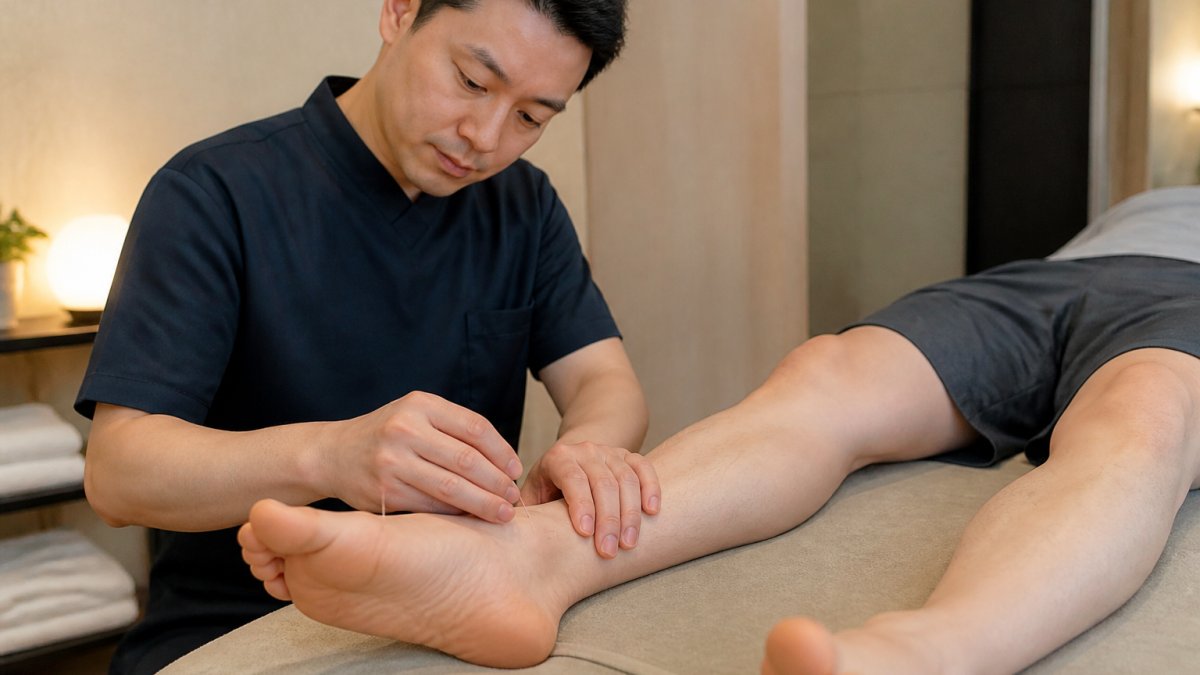
Most people feel a mild ache or warmth at the needle sites, not sharp pain. Needles stay in for about 20 to 30 minutes while you rest. Sessions usually run 45 to 60 minutes total.
Book your consultation today! →
Treatment Frequency and Progress Tracking
Frequency matters more than most people expect. A common starting schedule is one to two sessions per week for several weeks, then spacing out as symptoms improve.
Track three things in a simple log:
- Pain level, rated 0 to 10, morning and night
- Numbness or tingling changes
- Sleep quality and how steady you feel walking
Bring that log to each visit. It’s the clearest way to see whether acupuncture treatment for neuropathy is working for you specifically, rather than guessing.
Don’t judge results after one session. Nerve tissue heals slowly, and stopping after a single visit tells you nothing. Give it a fair trial of several weeks before deciding.
Acupuncture Safety and Side Effects for Higher-Risk Patients
Acupuncture safety and side effects deserve real attention, especially if you have diabetes, take blood thinners, or have another condition that changes how your body handles needles. For most people, side effects are minor: small bruises, mild soreness, or slight bleeding at needle sites. Serious complications are rare when a licensed practitioner uses sterile, single-use needles and follows standard precautions.
Reduced Sensation in the Feet
If you have diabetic or other neuropathy with numbness, you may not feel a needle problem developing, a bent needle, a small hematoma, or a minor skin break you would otherwise notice. That is why a careful practitioner inspects the skin before and after every session, checks sensation, and avoids needling directly into areas of ulceration, infection, or severe loss of sensation.
Bleeding Risk and Blood Thinners
If you take anticoagulants or antiplatelet medications, or have a bleeding disorder, expect more bruising and minor bleeding at needle sites. That is usually manageable, but tell your practitioner before the first session so they can adjust technique, avoid highly vascular areas, and apply longer pressure after needle removal. Do not stop a prescribed blood thinner on your own to prepare for acupuncture; that decision belongs to the prescriber.
Implanted Devices
If you have a pacemaker, implanted defibrillator, spinal cord stimulator, insulin pump, or other implanted electronic device, tell your practitioner. Standard acupuncture needling is generally considered safe around these devices when points are chosen carefully, but electrical stimulation attached to needles should be avoided or used only with explicit clearance from the device team.
Compromised Immunity
If you are receiving chemotherapy, have had an organ transplant, take immunosuppressants, or have a condition that affects immune function, your risk of infection at needle sites is higher than average. Sterile, single-use needles are essential, and some practitioners will defer treatment during periods of severe neutropenia or active infection. Coordinate with your oncology or transplant team rather than deciding on your own.
Skin and Wound Precautions
Avoid needling over active skin infections, rashes, burns, or open wounds. If you have a foot ulcer or a wound you cannot feel, that area should be off-limits until it is evaluated and healed. Practitioners should also check for signs of infection at previous needle sites, which is especially important when sensation is reduced.
General Safety Rules That Apply to Everyone
- Choose a licensed practitioner who uses sterile, single-use needles and can describe their infection-control practices.
- Disclose all medications, supplements, and implanted devices before treatment.
- Speak up if you feel faint, nauseated, or unusually uncomfortable during a session.
- Do not schedule acupuncture as a substitute for urgent medical care.
Acupuncture should never replace your prescribed medications. It works alongside them. Talk to your doctor before starting, and never stop a medication on your own.
If you have reduced sensation in your feet, ask your practitioner to show you the skin check they perform before and after needling. A clinic that skips this step is not set up for higher-risk neuropathy patients, regardless of how many years it has been in business.
When to Seek Medical Evaluation
Some neuropathy symptoms need a doctor’s attention quickly, not a complementary therapy. Get evaluated promptly if you notice:
- Sudden numbness or weakness, especially on one side (the CDC)
- Loss of bladder or bowel control
- A foot wound, blister, or ulcer you can’t feel
- Rapidly spreading numbness
- Symptoms that worsen sharply over days
Those signs can point to something more serious than routine neuropathy. Even with stable symptoms, a proper diagnosis matters. The MedlinePlus resource on peripheral neuropathy covers causes and warning signs clearly.
At Advanced Health Center, we start with a full assessment before recommending anything. With over 40 years of experience and more than 10,000 patients helped, our non-surgical, drug-free approach targets the root cause of nerve pain rather than just the symptoms.
Frequently Asked Questions
Can acupuncture help relieve numbness and tingling from neuropathy?
Acupuncture is most often used to reduce neuropathic pain, tingling, and burning sensations rather than to fully restore lost sensation. Some clinical studies and reviews report modest improvements in symptom severity and quality of life, though results vary by neuropathy type and individual. Numbness tied to nerve damage may improve slowly or only partially. Treat acupuncture as one part of a broader plan that includes medical management of the underlying cause, such as diabetes or chemotherapy exposure.
How many acupuncture sessions might be needed for neuropathy?
There is no single schedule that fits everyone. Many practitioners start with one to two sessions per week for several weeks, then reassess symptoms and adjust frequency. Your neuropathy type, symptom severity, and how you respond guide the plan. Track changes in pain, sleep, and daily function between visits so progress is measurable. Ask your provider at Advanced Health Center how a realistic trial period would look for your case before committing to a longer program.
Is acupuncture safe for people with peripheral neuropathy?
Acupuncture safety and side effects are generally mild when performed by a licensed practitioner using sterile, single-use needles. Common effects include small bruises or soreness at needle sites. People with peripheral neuropathy need extra care because reduced sensation in the feet can hide irritation or injury, so tell your practitioner about numbness and check your feet afterward. Those on blood thinners or with compromised immunity should clear acupuncture with their physician first.
What should I expect during an acupuncture appointment for nerve pain?
A first visit usually includes a review of your symptoms, medical history, and medications, followed by a physical exam and needle placement. Needles stay in for roughly 20 to 30 minutes while you rest. Most people feel little discomfort, and some report heaviness or tingling at the points. Plan for a 45 to 60 minute appointment. Wear loose clothing, eat beforehand, and avoid scheduling strenuous activity right after, especially if you feel lightheaded.
Neuropathy is stubborn, and no single therapy wins every case. But a plan that combines medical care, lifestyle changes, and consistent complementary treatment gives you the best shot at real relief. At Advanced Health Center, we build that plan around your specific symptoms, using non-surgical, drug-free care backed by over 40 years of experience and specialized diabetic condition work since 1996. Book your consultation today and find out whether acupuncture fits your neuropathy treatment plan.