

Table of Contents
- Understanding Chronic Neuropathy and Natural Treatment Options
- Warm Water Soaks and Therapeutic Baths for Nerve Pain Relief
- Best Exercises for Nerve Pain and Improved Circulation
- Peripheral Neuropathy Diet Plan: Anti-Inflammatory Eating
- Supplements for Neuropathy Relief and Nerve Health
- Sleep Hygiene and Psychological Coping Strategies
- Topical Pain Relief, Protective Footwear, and Daily Adjustments
- When to Seek Professional Care and Safety Considerations
- Frequently Asked Questions
Last Updated: September 2, 2026
Understanding Chronic Neuropathy and Natural Treatment Options
Chronic neuropathy is a condition in which damage to peripheral nerves causes persistent pain, tingling, numbness, and weakness, typically in the hands and feet. At Advanced Health Center, we understand that treating chronic neuropathy naturally requires a multi-faceted approach that addresses inflammation, supports nerve health, improves circulation, and manages pain without relying solely on pharmaceutical interventions.
The challenge is that neuropathy often develops gradually, and significant nerve damage may occur before symptoms become noticeable. This is why early intervention and consistent lifestyle modifications matter. Natural approaches work best when combined, diet alone won’t solve the problem, but diet combined with exercise, sleep optimization, and targeted supplementation creates the conditions for genuine improvement.
While complete reversal isn’t always possible, most people can significantly reduce symptoms and slow progression through evidence-based natural interventions.
The most common mistake is treating chronic neuropathy as a single problem requiring a single solution. It’s actually multiple problems, inflammation, poor circulation, nutrient deficiencies, sleep disruption, and psychological stress, each requiring its own intervention. Address all of them simultaneously for best results.
Warm Water Soaks and Therapeutic Baths for Nerve Pain Relief
Warm water immersion is one of the oldest and most accessible natural remedies for nerve pain. Heat increases blood circulation to affected areas, relaxes tense muscles, and provides temporary pain relief through the gate control theory of pain, where warmth signals override pain signals traveling to the brain.
A therapeutic bath or foot soak should last 15-20 minutes in water between 92-100 degrees Fahrenheit (the NIH). Water that’s too hot can damage sensitive skin, while water that’s too cool won’t provide adequate circulation benefits. Daily soaks produce better results than occasional ones, particularly for peripheral neuropathy affecting the feet.
Epsom salts enhance the therapeutic effect. Add 1-2 cups to a full bath or 1/2 cup to a foot soak. Epsom salts contain magnesium, which supports muscle relaxation and nerve function.
For foot neuropathy, alternating between warm soaks (3 minutes) and cool water (1 minute) can be particularly effective. This contrast stimulates blood flow and reduces inflammation. Repeat this cycle 3-4 times per session. Never use ice or very cold water on neuropathic feet, as reduced sensation increases injury risk.
If you have [diabetic neuropathy](/2026/08/27/regenerative-medicine-for-diabetic-neuropathy-a-complete-guide/), test water temperature with a thermometer or your elbow first, not your feet. Reduced sensation means you might not feel water that’s dangerously hot, risking burns.
Best Exercises for Nerve Pain and Improved Circulation
Exercise is essential for treating chronic neuropathy naturally. Physical activity increases blood flow to peripheral nerves, reduces inflammation, improves balance, and helps manage blood sugar. Low-impact approaches are critical since high-impact exercise can aggravate neuropathic pain.
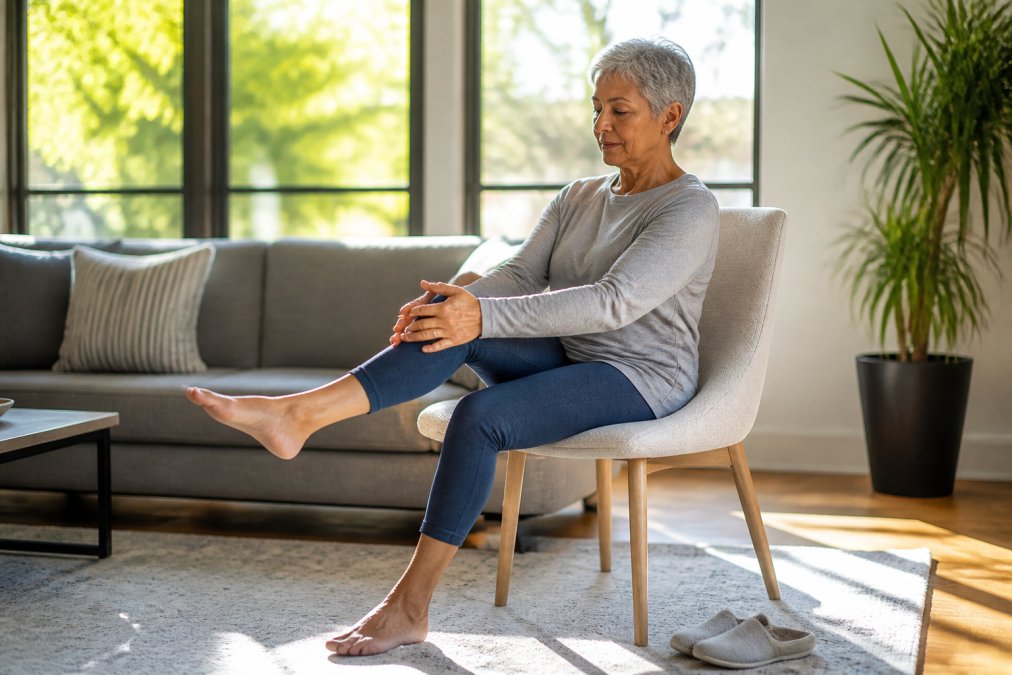
Walking is the foundation. Start with 10-15 minutes of flat-ground walking daily, gradually increasing to 30 minutes. For people with severe foot neuropathy, a stationary bike or swimming provides similar circulation benefits with less pressure on affected areas.
Gentle stretching targets muscles that become tight when neuropathy causes pain. Hold each stretch for 30 seconds, repeat 2-3 times, and perform daily: calf stretches, hamstring stretches, hip flexor stretches, and neck and shoulder stretches if upper body neuropathy is present.
Yoga and tai chi are particularly effective because they combine gentle movement, balance training, and mindfulness. These practices improve proprioception (body awareness), which deteriorates with neuropathy, increasing fall risk.
Resistance training, if done carefully, strengthens muscles that support affected joints. Use light weights or resistance bands, focus on controlled movements, and avoid exercises that cause sharp pain.
Consistent daily movement beats occasional intense exercise. A 20-minute daily walk outperforms a weekly gym session for treating chronic neuropathy naturally.
Peripheral Neuropathy Diet Plan: Anti-Inflammatory Eating
What you eat directly affects nerve inflammation and blood sugar stability, two primary drivers of neuropathic pain. A peripheral neuropathy diet plan should prioritize anti-inflammatory foods while minimizing foods that trigger inflammatory responses.

The foundation includes fatty fish rich in omega-3 fatty acids (salmon, mackerel, sardines), which reduce nerve inflammation, aim for 2-3 servings weekly. Leafy greens like spinach and kale contain antioxidants that protect nerve cells. Berries are among the most antioxidant-dense foods available. Nuts and seeds provide vitamin E and magnesium, both supporting nerve function. Olive oil provides polyphenols with anti-inflammatory properties. Turmeric and ginger, used regularly in cooking, contain compounds that reduce inflammation at the cellular level.
Minimize refined carbohydrates (white bread, pasta, sugary foods), which spike blood sugar and trigger inflammatory cascades. Processed foods high in seed oils promote inflammation when consumed in excess. Alcohol should be avoided or strictly limited.
For people with diabetic neuropathy, blood sugar management through diet becomes critical. Fill half your plate with non-starchy vegetables, one quarter with protein, one quarter with complex carbohydrates. manage nerve pain.
Many people see meaningful improvement in neuropathic pain within 4-6 weeks of adopting an anti-inflammatory diet.
Your diet directly affects nerve inflammation and pain perception. Anti-inflammatory eating is foundational to treating chronic neuropathy naturally.
Supplements for Neuropathy Relief and Nerve Health
Supplementation addresses specific nutrient deficiencies that worsen neuropathy. The most evidence-supported supplements include B-complex vitamins, alpha-lipoic acid, and magnesium.
B vitamins, particularly B6, B12, and folate, are essential for nerve function and myelin (the insulation around nerves). A high-quality B-complex supplement provides these in bioavailable forms. Sublingual B12 bypasses digestive absorption issues.
Alpha-lipoic acid (ALA) is an antioxidant that protects nerve cells from oxidative stress. Some research suggests ALA may reduce pain and improve nerve conduction in diabetic neuropathy (peer-reviewed research). Typical dosing is 300-600 mg daily, divided into two doses.
Magnesium supports nerve function and reduces muscle tension. Magnesium glycinate is well-absorbed and less likely to cause digestive upset. Typical dosing is 200-400 mg daily.
Acetyl-L-carnitine supports nerve energy production and may reduce neuropathic pain, typically 1-3 grams daily.
Book your consultation today! →
Vitamin D deficiency is linked to neuropathic pain. Testing your current level through a blood test helps determine appropriate dosing.
Quality matters significantly with supplements. Choose brands that third-party test for purity and potency. Start one supplement at a time, waiting 2-3 weeks before adding another, so you can identify which ones help you.
Sleep Hygiene and Psychological Coping Strategies
Chronic pain disrupts sleep, and poor sleep worsens pain perception, a vicious cycle many neuropathy patients experience. Breaking this cycle requires intentional sleep hygiene practices.
Neuropathic pain often intensifies at night because there are fewer competing sensory inputs. Keep your bedroom cool (around 65-68 degrees Fahrenheit), dark, and quiet (the NIH). Establish a consistent sleep schedule, going to bed and waking at the same time daily. Avoid screens 30-60 minutes before bed, as blue light suppresses melatonin production.
For nighttime neuropathic pain, elevate the affected limb slightly using a pillow. A weighted blanket can help by providing gentle pressure that reduces pain perception.
Psychological factors significantly impact pain perception and treatment success. Mindfulness meditation, even 10 minutes daily, measurably reduces pain perception and improves emotional resilience. Cognitive behavioral therapy (CBT) designed for chronic pain helps reframe pain responses. Acceptance and commitment therapy (ACT) teaches people to accept pain while committing to valued activities anyway.
Consider working with a therapist experienced in chronic pain management. The psychological component is often underestimated but critical for long-term success.
Topical Pain Relief, Protective Footwear, and Daily Adjustments
Topical pain relievers provide immediate symptom relief while other interventions take effect. Capsaicin cream, derived from chili peppers, depletes substance P (a neurotransmitter involved in pain signaling). Apply 3-4 times daily to affected areas. Expect a burning sensation initially; this decreases with repeated use.
Lidocaine patches numb surface nerves and can be worn for 12 hours daily, particularly useful for localized neuropathy. Menthol-based creams provide cooling relief and can be used alongside other topicals.
Protective footwear is essential for people with foot neuropathy. Reduced sensation means you might not notice injuries until they become serious infections. Wear properly fitting shoes with cushioning and support. Compression socks improve circulation and reduce swelling.
Daily adjustments to movement patterns prevent injury and reduce pain flares. Alternate between sitting and standing every 15-20 minutes if standing worsens symptoms. Use ergonomic chairs and desks. Avoid prolonged pressure on affected areas and wear loose clothing that doesn’t create pressure points.
Regular foot inspections are critical for people with diabetic neuropathy. Check daily for cuts, blisters, redness, or swelling. Early detection prevents serious complications.
When to Seek Professional Care and Safety Considerations
While natural approaches are effective for managing chronic neuropathy, certain situations require professional evaluation. Seek medical care if neuropathic pain develops suddenly, worsens rapidly, or affects new areas. Sudden onset can indicate conditions requiring urgent treatment.
If numbness is severe enough to affect balance or coordination significantly, professional assessment is necessary to rule out dangerous conditions and prevent falls. Progressive weakness that interferes with daily function warrants evaluation.
People with diabetic neuropathy should maintain regular contact with their endocrinologist or primary care physician. Natural treatments are complementary to, not replacements for, medical management of diabetes.
If you’re taking medications, consult your doctor before starting supplements, as some interactions occur. Smoking significantly worsens neuropathy by reducing circulation and increasing inflammation. Smoking cessation is one of the most impactful natural interventions available.
Advanced Health Center specializes in non-surgical approaches to chronic pain conditions, including neuropathy. Our team can help you develop a personalized treatment plan combining natural interventions with professional guidance. We work with you to address the root causes of your neuropathy rather than simply masking symptoms. Book your consultation today to discover how our multi-faceted approach can help you regain mobility and reduce chronic nerve pain.
Never ignore signs of nerve damage progression or new symptoms. The earlier you address neuropathy comprehensively, the better your outcomes.
Chronic neuropathy doesn’t have to control your life. By combining warm water therapy, consistent low-impact exercise, anti-inflammatory eating, targeted supplementation, sleep optimization, and psychological support, most people experience meaningful symptom reduction. The approach requires commitment and consistency, but the results, reduced pain, improved function, and better quality of life, are worth the effort. Advanced Health Center’s team can guide you through implementing these strategies with personalized support based on your specific condition and goals. Contact Advanced Health Center to schedule your consultation and start your path toward natural neuropathy relief.
Frequently Asked Questions
Can nerve damage from chronic neuropathy be reversed naturally?
Some nerve damage can improve with consistent natural treatment, especially if caught early. Reducing inflammation through diet, exercise, and supplementation helps support nerve healing. However, severe or long-standing nerve damage may be irreversible. The key is starting treatment promptly and combining multiple approaches, dietary changes, physical activity, and targeted supplements work together to slow progression and reduce pain. Consult a healthcare provider to assess your specific situation and create a realistic timeline for improvement.
What is the best peripheral neuropathy diet plan to reduce symptoms?
Focus on anti-inflammatory foods: fatty fish rich in omega-3s, colorful vegetables, berries, nuts, and whole grains. Avoid refined sugars, processed foods, and excessive alcohol, which fuel inflammation and worsen nerve pain. Include foods high in B vitamins (leafy greens, legumes, eggs) and antioxidants (dark chocolate, green tea) to support nerve function. Stabilizing blood sugar through balanced meals prevents spikes that aggravate neuropathy. Consistency matters more than perfection, small dietary shifts sustained over weeks show measurable improvements in tingling and numbness.
What exercises are safest for neuropathy pain?
Low-impact activities are best: walking, swimming, tai chi, and gentle yoga improve circulation and reduce pain without stressing damaged nerves. Start slowly, 10-15 minutes three times weekly, and gradually increase duration. Avoid high-impact exercises that jar the feet or legs. Stretching and balance work (like standing on one leg) help prevent falls and improve nerve conduction. Stop immediately if you experience sharp pain, and always wear supportive footwear during exercise. Consistency beats intensity; regular gentle movement provides better long-term relief than occasional intense sessions.
Which supplements work best for neuropathy nerve pain relief?
B-complex vitamins (especially B6, B12, and folate) support nerve repair and are among the most evidence-backed supplements for neuropathy. Alpha-lipoic acid (ALA) reduces inflammation and improves nerve conduction. Magnesium eases nerve sensitivity and supports sleep quality. Omega-3 supplements reduce inflammatory markers linked to nerve damage. Vitamin D deficiency worsens neuropathy, so supplementation helps if levels are low. Quality matters, choose reputable brands and discuss dosages with your healthcare provider, especially if you take medications. Most people see improvements within 4-8 weeks of consistent use.
This article was written using GrandRanker