

Table of Contents
- Understanding Systemic Inflammation and Its Root Causes
- Anti-Inflammatory Diet Plan: Foods That Fight Inflammation
- Natural Supplements for Inflammation: Evidence-Based Options
- How Long Does It Take to Reduce Inflammation Naturally
- Sleep, Stress, and Mind-Body Therapies for Drug-Free Relief
- Exercise and Physical Activity to Lower Systemic Inflammation
- Environmental Toxin Reduction and Tracking Progress Without Blood Work
- Conclusion: Your Path to Drug-Free Inflammation Management
Last Updated: August 30, 2026
Understanding Systemic Inflammation and Its Root Causes
Systemic inflammation is the body’s prolonged immune response to stress, poor diet, environmental toxins, or injury. Unlike acute inflammation (the redness and swelling after a cut), systemic inflammation persists silently, triggering cytokines and elevated C-reactive protein levels that damage tissues over time. This chronic state accelerates cellular aging, weakens joint structures, and fuels conditions from arthritis to metabolic disease.
The root causes are often interconnected. A sedentary lifestyle combined with processed foods, poor sleep, and chronic stress creates a perfect storm for persistent inflammation. Environmental toxins from air pollution and household chemicals accumulate in tissues, while dysbiosis (imbalanced gut microbiome) impairs the intestinal barrier, allowing bacterial lipopolysaccharides to enter the bloodstream and trigger immune cascades. Most people don’t realize their inflammation stems from multiple sources simultaneously, addressing only diet while ignoring sleep and stress won’t deliver lasting results.
Advanced Health Center has spent over 40 years helping patients identify and reverse the root drivers of chronic inflammation through personalized, multi-faceted protocols. The approach recognizes that drug-free solutions for chronic inflammation require simultaneous intervention across diet, movement, stress regulation, and environmental factors. This guide covers the evidence-based strategies that produce measurable improvements without pharmaceuticals.
Anti-Inflammatory Diet Plan: Foods That Fight Inflammation
An anti-inflammatory diet plan centers on phytonutrients, omega-3 fatty acids, and foods that support metabolic health while avoiding insulin resistance triggers. The foundation is simple: whole foods that your grandmother would recognize, prepared minimally.
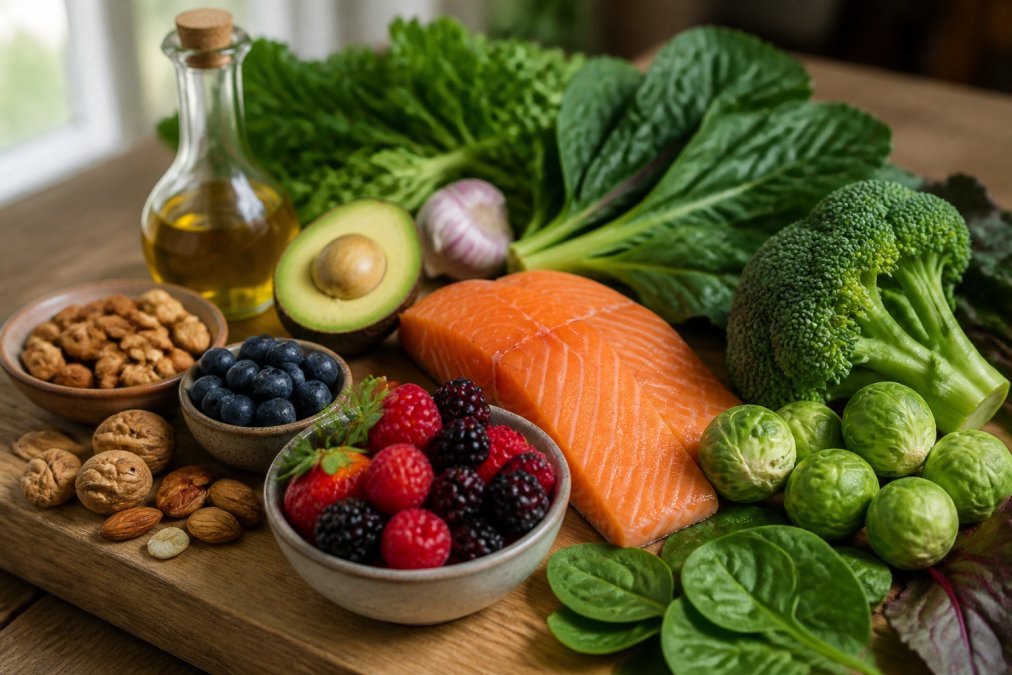
Foods that fight inflammation include:
-
Fatty fish, Salmon, mackerel, and sardines contain EPA and DHA omega-3 fatty acids that actively reduce pro-inflammatory cytokine production. Aim for 2-3 servings weekly.
-
Cruciferous vegetables, Broccoli, cauliflower, and Brussels sprouts contain sulforaphane, a compound that suppresses NF-kappaB signaling (a master switch for inflammation).
-
Berries, Blueberries and raspberries are dense with anthocyanins, antioxidants that lower oxidative stress and protect cellular membranes.
-
Leafy greens, Spinach, kale, and chard provide vitamin K and magnesium, both critical for regulating inflammatory pathways.
-
Extra virgin olive oil, Contains oleocanthal, which functions similarly to anti-inflammatory medications by inhibiting prostaglandin production.
-
Nuts and seeds, Almonds, walnuts, and flaxseeds provide polyphenols and fiber that feed beneficial gut bacteria, strengthening the intestinal barrier.
-
Turmeric and ginger, Curcumin and gingerol directly inhibit inflammatory mediators; use liberally in cooking.
Foods to eliminate or minimize:
Refined carbohydrates (white bread, pastries, sugary drinks) trigger rapid blood sugar spikes, causing insulin resistance and systemic inflammation. Seed oils (soybean, corn, canola) contain excessive omega-6 polyunsaturated fats that skew the pro-inflammatory omega-6 to omega-3 ratio. Ultra-processed foods laden with additives and preservatives activate the innate immune system unnecessarily. Alcohol in excess impairs gut barrier function and increases intestinal permeability.
A practical anti-inflammatory diet plan doesn’t require perfection. Start by replacing one category: swap refined grains for whole grains, replace seed oils with olive oil, or add one fatty fish meal weekly. Most people see noticeable improvements in joint pain and energy within 4-6 weeks of consistent dietary shifts.
A common mistake is assuming “healthy” packaged foods (granola bars, yogurt drinks, plant-based meats) are anti-inflammatory. Check labels: if it contains added sugar, seed oils, or more than five ingredients, it’s likely pro-inflammatory regardless of marketing claims.
Natural Supplements for Inflammation: Evidence-Based Options
While diet is foundational, certain supplements accelerate the process of reducing systemic inflammation when chosen thoughtfully. The supplements below have the strongest evidence for bioavailability and efficacy.
Curcumin (Turmeric Extract), Curcumin’s challenge is absorption; standard turmeric powder is poorly bioavailable. Phytosome complexes bind curcumin to phospholipids, increasing absorption 29-fold (peer-reviewed research). Thorne Curcumin Phytosome provides a standardized dose in a form your body can actually use. Typical dosing is 500-1000 mg daily with meals.
Boswellia Serrata, This tree resin has been used in Ayurvedic medicine for centuries and reduces inflammatory markers in joints and the GI tract. Thorne Boswellia Phytosome uses the same phospholipid technology for superior absorption. A standard dose is 300-500 mg daily.
Magnesium Glycinate, Magnesium deficiency is endemic in modern diets, and deficiency amplifies inflammatory signaling through NF-kappaB pathways. Glycinate is the most absorbable form and doesn’t cause the laxative effect of other magnesium salts. Pure Encapsulations Magnesium Glycinate provides 120-200 mg elemental magnesium per serving. Results typically appear after 8-12 weeks of consistent use.
CBD (Full-Spectrum), Cannabidiol modulates immune cell function and reduces pro-inflammatory cytokine production. Full-spectrum products include other cannabinoids and terpenes that enhance the effect through the "entourage effect." Lazarus Naturals Full Spectrum CBD Tincture offers third-party testing and precise dosing via dropper. Start with 10-20 mg daily and adjust based on response.
Topical Relief, For localized pain, Nature’s Willow Pain Relief Cream combines willow bark (which contains salicin, a natural anti-inflammatory) with helichrysum. Apply directly to affected areas 2-3 times daily for joint or muscle discomfort.
Supplements work best when combined with dietary changes and lifestyle modifications. A supplement alone cannot overcome a pro-inflammatory diet or chronic stress.
How Long Does It Take to Reduce Inflammation Naturally
This is the question patients ask most frequently, and the answer depends on baseline inflammation severity and adherence to multiple interventions simultaneously.
Timeline for measurable improvements:
-
Weeks 1-2: Energy and digestion often improve first as the gut barrier begins healing. Joint swelling may decrease slightly.
-
Weeks 3-6: Pain levels typically drop noticeably if you’re consistent with diet and supplementation. Mobility improves as inflammatory cytokine levels decline.
-
Weeks 8-12: Significant reductions in pain, morning stiffness, and fatigue become evident. This is when most people feel genuinely different.
-
Months 4-6: Sustained improvements stabilize. Tissue repair accelerates, and you may notice you can move or exercise in ways that were previously painful.
The variability is real. A 45-year-old with acute inflammation from a recent injury may see 50% improvement in 4 weeks. A 68-year-old with 10 years of systemic inflammation might need 12-16 weeks to feel substantial relief. Adherence matters enormously: people who address diet, sleep, stress, and movement simultaneously see results 2-3 times faster than those focusing on diet alone.
How long does it take to reduce inflammation naturally also depends on whether you’re tracking objectively. Without blood work (C-reactive protein, ESR), you’re relying on subjective markers: pain level, range of motion, energy, morning stiffness. Many people feel better before markers fully normalize, which is why Advanced Health Center emphasizes functional improvement over lab numbers. natural anti-inflammatory herbs.
If you see no improvement after 12 weeks of strict adherence to diet, supplementation, sleep, and exercise, inflammation may have structural causes (joint damage, autoimmune disease) requiring professional evaluation. This is when [regenerative medicine](/2026/08/29/book-regenerative-medicine-consultation/) approaches become relevant.
Sleep, Stress, and Mind-Body Therapies for Drug-Free Relief
Sleep deprivation is a direct inflammatory trigger. During deep sleep, the glymphatic system clears metabolic waste and pro-inflammatory cytokines from the brain and spinal cord. Chronic sleep loss prevents this cleanup, allowing inflammatory markers to accumulate. Cortisol, the primary stress hormone, suppresses anti-inflammatory IL-10 production when elevated. Chronic stress keeps cortisol chronically elevated, essentially locking inflammation in the "on" position.

Sleep optimization for inflammation reduction:
-
Target 7-9 hours nightly. This isn’t luxury; it’s biology. Aim for consistent bedtimes and wake times, even on weekends, to stabilize circadian rhythm.
-
Keep your bedroom cool (around 65-68°F). Temperature regulation is critical for sleep quality and metabolic health.
-
Eliminate blue light 60 minutes before bed. Blue wavelengths suppress melatonin; use blue-light filters on devices or wear blue-blocking glasses.
-
Avoid caffeine after 2 PM. Caffeine’s half-life is 5-6 hours; afternoon coffee disrupts sleep architecture (peer-reviewed research).
Stress management and mind-body techniques:
Chronic stress elevates cortisol, which inhibits anti-inflammatory pathways and increases intestinal permeability, worsening systemic inflammation. Mind-body therapies address this directly by activating the parasympathetic nervous system (the "rest and digest" state).
Meditation and breathwork, Apps like Insight Timer offer thousands of guided meditations, many specifically for pain and inflammation. Even 10 minutes daily activates vagal tone, reducing inflammatory signaling. The Curable App combines pain neuroscience education with behavioral techniques, addressing both the physical and psychological dimensions of chronic pain.
Vagus nerve stimulation, The vagus nerve is the primary parasympathetic pathway; stimulating it directly reduces inflammatory cytokine production. Techniques include cold water exposure (10-30 seconds), humming, gargling, and slow breathing (5-second inhale, 7-second exhale). These cost nothing and work within minutes.
Biofeedback, Devices that measure heart rate variability or skin conductance give real-time feedback on your nervous system state. Seeing your stress response in real time allows you to practice shifting into parasympathetic dominance, which over weeks trains your baseline nervous system toward lower inflammation.
Exercise and Physical Activity to Lower Systemic Inflammation
Movement is medicine for inflammation. Exercise reduces pro-inflammatory cytokines (TNF-alpha, IL-6) while increasing anti-inflammatory IL-10 (peer-reviewed research). The catch: intensity and consistency matter more than duration.
Optimal exercise patterns for inflammation reduction:
-
Resistance training 2-3x weekly, Strength work triggers muscle protein synthesis and mitochondrial adaptation, both of which reduce oxidative stress. Start with bodyweight or light weights; progressive overload (gradually increasing resistance) is the key.
-
Low-intensity steady-state cardio 3-4x weekly, 30-45 minutes of walking, cycling, or swimming at conversational intensity (you can talk but not sing) builds aerobic capacity without excessive cortisol elevation. High-intensity interval training (HIIT) is powerful but should be limited to 1x weekly for those with high baseline inflammation.
-
Mobility work daily, 10-15 minutes of stretching, yoga, or foam rolling maintains joint range of motion and prevents movement compensation patterns that amplify inflammation.
-
Consistency over intensity, A person who walks 30 minutes daily sees better inflammation reduction than someone who does intense workouts sporadically.
The mechanism is straightforward: muscle contraction produces IL-6, which paradoxically triggers anti-inflammatory IL-10 production. Regular movement trains your immune system to tolerate exercise-induced stress without mounting excessive inflammatory responses.
Environmental Toxin Reduction and Tracking Progress Without Blood Work
Most guides ignore environmental toxins, yet chronic low-level exposure to air pollution, pesticides, heavy metals, and endocrine-disrupting chemicals (EDCs) drives persistent inflammation. The liver and kidneys become overwhelmed, unable to clear inflammatory byproducts efficiently.
Practical toxin reduction strategies:
-
Air quality, Indoor air is often more polluted than outdoor air. HEPA filters in bedrooms and living spaces reduce particulate matter and volatile organic compounds (VOCs).
-
Water filtration, Chlorine and fluoride can disrupt the gut microbiome; activated carbon filters remove these while retaining beneficial minerals.
-
Organic produce for the "Dirty Dozen", Pesticide residues trigger inflammatory responses. Prioritize organic for high-spray crops (strawberries, spinach, apples); conventional produce for low-spray crops (avocado, broccoli) is acceptable.
-
Reduce plastic use, BPA and phthalates leach from plastics, especially when heated. Use glass or stainless steel containers; avoid plastic wrap and microwaving in plastic.
-
Personal care simplification, Many lotions, shampoos, and cosmetics contain endocrine disruptors. Switching to simple products (coconut oil, unscented castile soap) reduces daily chemical exposure.
Tracking progress without blood work:
Since most people won’t order C-reactive protein tests monthly, use functional markers instead:
- Pain level, Rate pain 0-10 daily; trends matter more than absolute numbers.
- Range of motion, Can you touch your toes? Reach overhead? Specific movements show improvement.
- Morning stiffness, How long does it take to feel mobile after waking? This is sensitive to inflammation.
- Energy and mood, Inflammation impairs mitochondrial function and serotonin production; improved energy and mood signal systemic improvement.
- Sleep quality, Better sleep reflects lower inflammatory burden.
- Digestion, Bloating, gas, and constipation often improve as the gut barrier heals.
Track 2-3 of these weekly in a simple spreadsheet. After 8-12 weeks, patterns emerge that are as meaningful as lab work.
People with limited access to functional medicine doctors, those managing multiple inflammatory conditions simultaneously, or anyone seeking objective evidence of progress without frequent lab testing.
Conclusion: Your Path to Drug-Free Inflammation Management
Drug-free solutions for chronic inflammation work, but they require patience and a multi-modal approach. Diet alone won’t overcome sleep deprivation. Exercise without stress management leaves cortisol elevated. The most successful patients address all dimensions simultaneously: nutrition, supplementation, sleep, stress, movement, and environmental toxin reduction.
Advanced Health Center specializes in exactly this integrated approach. With over 40 years managing complex chronic pain cases, our team understands that lasting relief comes from fixing root causes, not masking symptoms. Our non-surgical regenerative medicine treatments work synergistically with the lifestyle changes outlined here, accelerating tissue repair and restoring mobility in ways medication cannot.
If you’ve tried diet and supplements without breakthrough results, or if structural damage requires professional intervention, book your consultation today. Discover how our personalized, drug-free protocols can help you regain the mobility and pain-free life you deserve.
Frequently Asked Questions
How can I reduce inflammation in my body without drugs?
Reduce inflammation through a multi-faceted approach: adopt an anti-inflammatory diet rich in omega-3 fatty acids, antioxidants, and phytonutrients; manage stress through meditation or biofeedback; prioritize 7-9 hours of quality sleep; exercise regularly; stay hydrated; and consider natural supplements like curcumin or boswellia. These lifestyle interventions work synergistically to lower cytokines and C-reactive protein levels, addressing the root causes of systemic inflammation rather than masking symptoms.
What is the strongest natural anti-inflammatory agent?
Curcumin from turmeric ranks among the most potent natural anti-inflammatory compounds, with research showing it inhibits NF-kappaB signaling and reduces pro-inflammatory cytokines. Boswellia serrata extract also demonstrates significant efficacy for joint and tissue inflammation. However, effectiveness depends on bioavailability, phytosome-complexed forms (like Meriva) absorb 29 times better than standard curcumin. Pairing supplements with lifestyle changes, quality sleep, stress reduction, and low-glycemic eating, amplifies their anti-inflammatory effects.
How long does it take to reduce chronic inflammation naturally?
Most people notice measurable improvements in 4-8 weeks with consistent dietary and lifestyle changes, though full metabolic shifts typically require 8-12 weeks. Acute inflammation from injury may respond faster, while chronic systemic inflammation tied to insulin resistance or autoimmune response takes longer. Sleep improvements and stress reduction can lower cortisol within 2-3 weeks. Tracking inflammation markers without blood work, monitoring energy, joint mobility, and pain levels, helps you assess progress while your body repairs cellular health.
Can diet alone reverse chronic inflammatory conditions?
Diet is powerful but works best as part of a comprehensive strategy. A low-glycemic, nutrient-dense anti-inflammatory diet plan supports metabolic health and reduces insulin resistance, both drivers of systemic inflammation. However, combining diet with adequate sleep, physical activity, stress management, and targeted natural supplements produces superior results. Chronic conditions rooted in autoimmune response or tissue damage benefit from this multi-modal approach rather than diet alone, addressing inflammation markers and tissue repair simultaneously.
Chronic inflammation doesn’t resolve overnight, but it does resolve when you address its causes systematically. Start with diet and sleep this week. Add movement next week. Implement stress management the week after. By month three, you’ll recognize yourself in the improvements. Advanced Health Center is here to accelerate that transformation and ensure you stay on track toward lasting wellness.
This article was written using GrandRanker