

Table of Contents
- Why Natural Pain Management Matters for Seniors
- Physical Activity and Gentle Exercise
- Non-Drug Pain Management Techniques That Work
- Anti-Inflammatory Diet for Chronic Pain
- Heat and Cold Therapy for Fast Relief
- Regenerative Medicine for Chronic Conditions
- Acupuncture, Massage, and Mind-Body Therapies
- Home Environment Modifications and Self-Care
- Frequently Asked Questions
Last Updated: September 3, 2026
Why Natural Pain Management Matters for Seniors
Chronic pain affects millions of older adults, limiting mobility and reducing quality of life. Many seniors face a difficult choice: rely on medications with side effects, or explore alternatives that address the root cause of discomfort. Natural pain management for seniors offers a different path, focusing on restoring function, reducing inflammation, and improving wellness without depending on pharmaceuticals alone.
At Advanced Health Center, we’ve worked with thousands of patients who’ve exhausted conventional options and seek sustainable relief. Most seniors don’t know where to start after physical therapy, cortisone shots, or standard treatments fail to deliver lasting results. What’s missing is a comprehensive strategy combining multiple evidence-based techniques tailored to the individual.
This guide covers seven proven methods for natural pain management for seniors that work by targeting underlying causes rather than masking symptoms. Whether you’re dealing with arthritis, lower back pain, neuropathy, or post-injury recovery, these approaches can help you regain mobility and enjoy the activities you love.
Physical Activity and Gentle Exercise
Movement is medicine, but the type matters enormously for seniors managing chronic pain. The goal is consistent, low-impact activity that strengthens muscles, improves flexibility, and reduces stiffness without aggravating existing conditions.
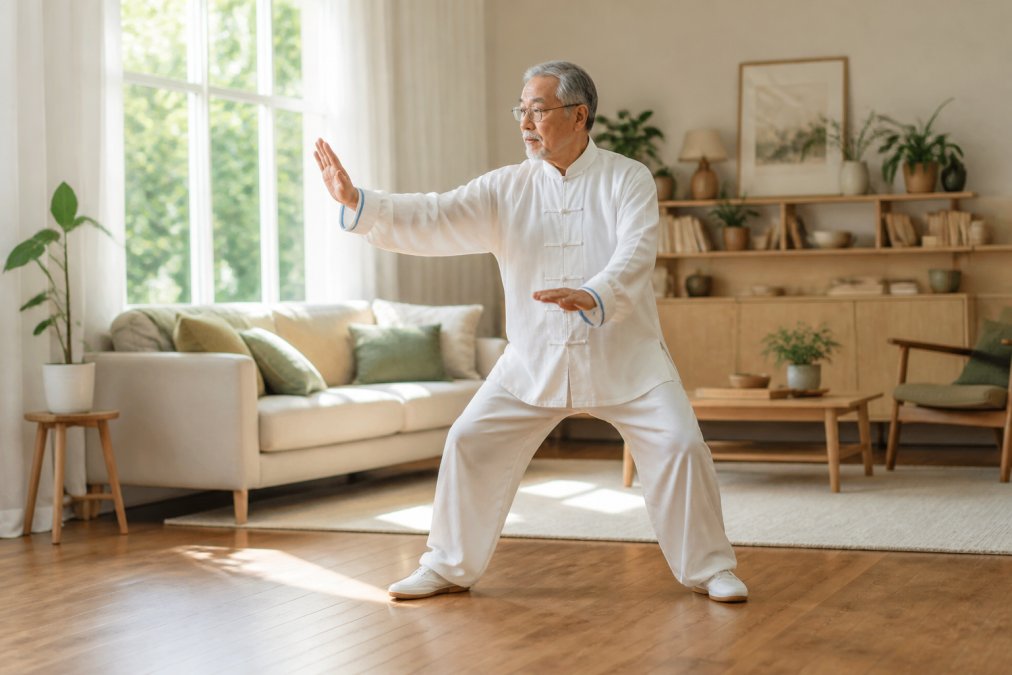
Tai chi and yoga are particularly effective because they combine gentle movement with mindfulness and breathing. These practices improve balance, reduce fall risk, and address muscle tension accompanying chronic pain. Research suggests regular practice improves mobility and reduces pain perception over time.
Walking is another cornerstone of effective pain management. A daily 20-30 minute walk at a comfortable pace improves circulation, supports joint health, and releases endorphins, your body’s natural pain-relieving chemicals. Water-based exercise, including swimming and water aerobics, is especially valuable for joint pain because buoyancy reduces stress on affected areas while allowing full range of motion.
Resistance training adapted for your fitness level helps maintain muscle mass and joint stability. Light resistance bands or bodyweight exercises performed 2-3 times per week significantly improve functional capacity. Consistency over intensity prevents injury and builds sustainable habits.
Physical therapy, when guided by a professional, creates a personalized exercise plan addressing your specific condition. A skilled therapist identifies movement patterns contributing to pain and teaches correct movement patterns, often producing better long-term results than generic routines.
Start with just 10-15 minutes of movement daily. Many seniors see meaningful improvement in pain levels within 3-4 weeks of consistent, gentle activity. Improvement accelerates when combined with other natural pain management techniques.
Non-Drug Pain Management Techniques That Work
Mindfulness-based stress reduction addresses the feedback loop where chronic pain and stress amplify each other. Breaking this cycle through guided meditation, body scanning, and mindfulness practice lowers pain thresholds and improves quality of life.
Breathing exercises are deceptively powerful. Deep, slow breathing activates your parasympathetic nervous system, counteracting the pain response. Box breathing, inhaling for 4 counts, holding for 4, exhaling for 4, holding for 4, can be done anywhere and provides immediate relief during pain flares.
Guided imagery redirects attention away from pain toward calming mental scenes. Visualization techniques help your brain downregulate pain signals by engaging different neural pathways. Many seniors find that 10-15 minutes of guided imagery before bed improves sleep quality, which itself reduces pain perception.
Cognitive behavioral techniques, journaling, and support groups address the mental health component of pain management. When you address both physical and psychological aspects, results improve significantly.
The most effective non-drug pain management combines physical techniques with mental practices. Seniors using both approaches report greater pain reduction than those relying on any single method.
Anti-Inflammatory Diet for Chronic Pain
What you eat directly influences inflammation levels in your body. An anti-inflammatory diet reduces systemic inflammation contributing to pain conditions like arthritis and neuropathy.
Omega-3 fatty acids found in fatty fish (salmon, mackerel, sardines), flaxseeds, and walnuts help reduce inflammatory markers. Eating fatty fish 2-3 times per week provides consistent anti-inflammatory support. If you don’t eat fish, omega-3 supplements offer an alternative.
Colorful vegetables and fruits contain antioxidants that combat inflammation. Berries, leafy greens, bell peppers, and cruciferous vegetables like broccoli and Brussels sprouts are particularly powerful. Different colors provide different protective compounds.
Herbs and spices offer concentrated anti-inflammatory benefits. Turmeric contains curcumin, a compound with measurable anti-inflammatory effects. Ginger, cinnamon, and cloves similarly reduce inflammation. Adding these to meals provides both flavor and therapeutic benefit.
Minimize processed items, refined sugars, excessive saturated fats, and excess alcohol, all of which promote inflammation.
An important consideration for seniors is drug-nutrient interactions. If you’re taking medications, certain supplements or dietary changes can interfere with absorption or effectiveness. Discuss significant dietary shifts with your healthcare provider to ensure compatibility with current medications.
Turmeric supplements can interact with blood thinners and diabetes medications. If you take warfarin, aspirin, or insulin, consult your doctor before adding turmeric to your routine. This is true for many herbal remedies; safety requires checking interactions first.
Heat and Cold Therapy for Fast Relief
Heat and cold therapy provide immediate, accessible pain relief through different mechanisms. Understanding when to use each maximizes effectiveness.
Heat therapy increases blood flow, relaxes muscles, and reduces stiffness. It’s most effective for chronic pain, arthritis, and muscle tension. Apply heat for 15-20 minutes using a heating pad, warm bath, or heat wrap. Many seniors find heat before exercise or physical therapy improves mobility and reduces discomfort during activity. reduce muscle soreness.
Cold therapy reduces inflammation and numbs pain. It works best for acute injuries, swelling, and sharp pain. Apply ice for 10-15 minutes, never directly to skin. Cold therapy is particularly helpful immediately after activity that aggravates pain.
Contrast therapy, alternating between heat and cold, can be especially effective for chronic conditions. Spend 3-5 minutes with heat, then 1-2 minutes with cold, repeating the cycle 2-3 times. This approach improves circulation while reducing inflammation.
Book your consultation today! →
Regenerative Medicine for Chronic Conditions
Regenerative medicine represents a paradigm shift in how we approach chronic pain. Rather than masking symptoms, these treatments stimulate your body’s natural healing processes to repair damaged tissues.
Platelet-rich plasma (PRP) therapy concentrates healing platelets from your own blood and injects them into damaged areas. Stem cell therapy harnesses the body’s regenerative capacity to repair cartilage, tendons, and ligaments. These treatments address the root cause of pain by promoting tissue repair rather than providing temporary relief.
The advantage of regenerative approaches is that they work with your body’s natural healing mechanisms. Results often improve over months as tissue repair progresses. Many patients report reduced pain, improved function, and increased mobility, outcomes that persist because the underlying tissue has actually healed.
At Advanced Health Center, our regenerative medicine approach combines these techniques with physical therapy and lifestyle modifications for optimal results. Regenerative medicine typically requires multiple sessions spaced weeks apart, with most patients noticing significant improvement within 8-12 weeks.
Acupuncture, Massage, and Mind-Body Therapies
Acupuncture has been used for thousands of years and modern research supports its effectiveness for pain relief. The practice works by stimulating specific points that influence pain perception and promote healing. For natural pain management for seniors, acupuncture offers drug-free relief with minimal side effects.
Acupuncture triggers endorphin release, reduces inflammation, and modulates pain signals in the nervous system. Sessions typically last 30-45 minutes, with benefits often noticeable after 4-6 treatments. Many insurance plans now cover acupuncture for chronic pain conditions.
Massage therapy reduces muscle tension, improves circulation, and provides myofascial release. Regular massage (weekly or bi-weekly) combined with self-massage using foam rollers extends relief between professional sessions.
Mind-body therapies including tai chi, yoga, and qigong integrate physical movement with breathing and meditation. These practices improve body awareness, reduce stress, and enhance pain tolerance through holistic approaches.
Seniors who prefer non-invasive, drug-free approaches and have time for regular sessions benefit most from acupuncture and massage. These therapies work particularly well for arthritis, neuropathy, and post-injury pain.
Home Environment Modifications and Self-Care
Your living environment significantly impacts pain levels and mobility. Simple modifications reduce stress on your body and make daily activities more manageable.
Ergonomic adjustments prevent repetitive strain and support proper posture. Ensure your monitor is at eye level, your chair supports your lower back, and your feet rest flat. Proper ergonomics prevents pain from developing and reduces existing discomfort.
Accessibility modifications reduce pain during daily activities. Grab bars in bathrooms prevent falls and reduce strain on joints. Raised toilet seats, long-handled shoehorns, and reacher tools minimize bending and twisting.
Temperature control affects pain levels. Warm environments promote relaxation and reduce stiffness. Maintaining a comfortable home temperature, especially in bedrooms, improves sleep quality and reduces nighttime pain.
Sleep quality directly influences pain perception. A supportive mattress, proper pillow height, and a cool sleeping environment promote restorative sleep. Many seniors find that better sleep reduces daytime pain by 20-30%.
Self-care practices including regular stretching, journaling, and stress management extend the benefits of professional treatments. Daily 10-minute stretching routines often produce better results than weekly intensive sessions.
Natural pain management for seniors works best when you combine multiple approaches tailored to your specific condition. The methods covered here, exercise, stress reduction, dietary changes, heat and cold therapy, regenerative medicine, acupuncture, massage, and environmental modifications, address pain from different angles, creating a comprehensive strategy that produces lasting results.
Advanced Health Center specializes in helping seniors escape chronic pain without surgery or long-term medication dependence. Our regenerative medicine approach, combined with personalized guidance on exercise, nutrition, and lifestyle modifications, has helped thousands of patients regain mobility and enjoy their lives again. Research on regenerative medicine outcomes demonstrates that these approaches produce sustained pain relief when properly implemented.
Many seniors hesitate to try new approaches because they’ve been disappointed before. The difference between generic advice and personalized care is dramatic. When a specialist evaluates your specific condition, understands your goals, and creates a customized treatment plan, results improve significantly.
Book your consultation today to discover how our natural, multi-faceted approach to pain management can help you regain the mobility and quality of life you deserve.
Frequently Asked Questions
What are the most effective natural pain management techniques for seniors with chronic pain?
The most effective natural pain management for seniors combines multiple approaches: physical therapy, heat or cold therapy, acupuncture, massage therapy, and mindfulness-based stress reduction. Many seniors find that combining gentle exercise with dietary changes and topical treatments produces the best results. Starting with one or two methods and gradually adding others allows you to identify what works best for your specific pain condition.
Can non-drug pain management techniques replace my current medications?
Non-drug pain management techniques work best alongside your current medications, not as replacements. Always consult your physician before changing any medication regimen, especially if you take prescriptions for chronic conditions like diabetes or heart disease. Many seniors experience improved pain relief when combining natural methods with their existing treatment plan, potentially reducing medication doses over time under medical supervision.
How long does it take to see results from natural pain management methods?
Results vary by method and individual. Heat therapy and massage can provide relief within hours or days. Physical therapy and acupuncture typically show improvements within 2-4 weeks of consistent treatment. Anti-inflammatory dietary changes may take 4-6 weeks to noticeably reduce inflammation. Regenerative medicine treatments often show progressive improvement over several months as tissues heal.
What home modifications can help reduce chronic pain for seniors?
Key modifications include adjusting furniture height to reduce strain on joints, installing grab bars in bathrooms, using ergonomic pillows that support proper posture, improving lighting to prevent falls, and organizing frequently used items at waist level. Creating a pain-friendly home environment reduces unnecessary strain on vulnerable areas and supports your overall pain management strategy.
This article was written using GrandRanker