

Table of Contents
- How Inflammation Contributes to Back Pain
- Anti-Inflammatory Foods for Back Pain
- Turmeric for Back Pain Relief
- Foods to Avoid for Inflammation
- Anti-Inflammatory Diet Meal Plan
- Tracking Dietary Changes and Symptom Relief
- When to Seek Professional Assessment
- Frequently Asked Questions
Last Updated: October 10, 2026
How Inflammation Contributes to Back Pain
Chronic inflammation intensifies back pain and slows healing. Understanding how diet affects back pain requires separating research from misconceptions.
The Inflammation-Pain Connection
When your spine experiences strain or injury, inflammatory compounds flood the affected area, putting pressure on nerves and muscles. Acute inflammation protects you, but chronic inflammation persisting after injury heals contributes to long-term pain.
Chronic inflammation is associated with degenerative disc disease and facet joint syndrome. Inflammatory markers like C-reactive protein and TNF-α are elevated in people with chronic back pain.
What Research Actually Shows About Diet and Back Pain
Research shows anti-inflammatory eating patterns reduce inflammatory markers and may support pain management, but diet is a supportive strategy, not a primary treatment.
Mediterranean-style diets lower systemic inflammation markers, and people following anti-inflammatory patterns report modest improvements in pain and function over 8-12 weeks. Diet is a supportive strategy that reduces inflammation while you address underlying structural or mechanical causes through other means.
A herniated disc won’t move from turmeric, but reducing inflammation may help manage pain and support healing. Poor posture won’t improve from diet alone, but anti-inflammatory foods may help you feel well enough to exercise.
Setting Realistic Expectations
Most people notice improvements in energy and digestion within 2-3 weeks, but pain relief typically takes 6-12 weeks of consistent eating. Results vary based on the underlying cause, genetics, overall health, and adherence to the dietary pattern.
Diet works best alongside physical therapy, ergonomic adjustments, stress management, and sleep. If pain is severe, worsening, or accompanied by neurological symptoms, seek professional evaluation.
Anti-Inflammatory Foods for Back Pain
Your natural anti-inflammatory diet for back pain should focus on whole, nutrient-dense foods that reduce inflammation throughout your body.
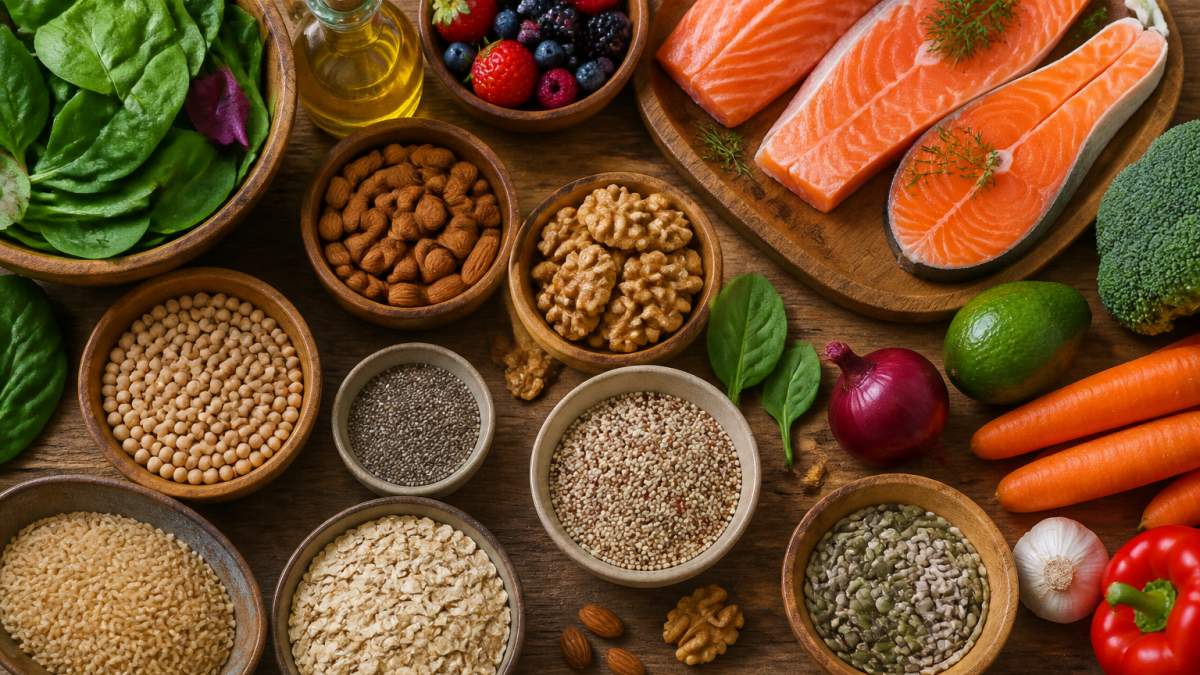
Leafy Greens and Vegetables
Leafy greens like spinach, kale, and arugula contain vitamins K and C, which support bone health and reduce inflammatory markers.
Eat leafy greens daily, one serving is two cups raw or one cup cooked.
Broccoli, Brussels sprouts, and bell peppers contain sulforaphane, which suppresses inflammatory responses.
Mix your greens throughout the day rather than eating them all at once. This keeps your nutrient intake steady and helps your body absorb more vitamins.
Berries and Antioxidant-Rich Fruits
Berries contain anthocyanins, pigments that act as natural anti-inflammatory agents.
Eat ½-1 cup of berries daily; frozen berries are equally nutritious and often cheaper.
Tart cherry juice may help reduce soreness; a small glass daily or a handful of dried tart cherries supports your natural anti-inflammatory diet for back pain relief.
Fatty Fish and Omega-3 Sources
Fatty fish like salmon, mackerel, sardines, and herring contain omega-3 fatty acids that reduce inflammatory markers called cytokines.
Aim for 2-3 servings of fatty fish per week (3-4 ounces per serving).
Plant-based omega-3 sources like flaxseeds, chia seeds, and walnuts contribute to reducing inflammation when consumed regularly.
Omega-3 fatty acids are one of the most researched nutrients for inflammation reduction. Including them consistently in your diet creates measurable changes over 8-12 weeks.
Nuts, Seeds, and Healthy Fats
Almonds, walnuts, and tree nuts contain polyphenols that reduce inflammatory markers, a small handful (1 ounce) makes an excellent snack.
Seeds provide omega-3s and magnesium, which support muscle function and reduce tension. Sprinkle on salads, mix into yogurt, or blend into smoothies.
Extra-virgin olive oil is a cornerstone of anti-inflammatory eating. Use it as a salad dressing or drizzle over vegetables; avoid high-heat cooking.
Whole Grains and Fiber
Whole grains contain fiber that feeds beneficial gut bacteria, which reduces systemic inflammation.
Aim for at least half your grain servings to be whole grains (one slice of bread or ½ cup cooked).
Fiber supports stable blood sugar, which indirectly reduces inflammation. Most people need 25-35 grams daily.
Turmeric for Back Pain Relief
Turmeric contains curcumin, which blocks inflammatory molecules at the cellular level, making it one of the most potent natural anti-inflammatory substances.
Curcumin is poorly absorbed alone. Combine turmeric with black pepper, which increases curcumin absorption by up to 2,000 percent.
Add turmeric to curries, rice, soups, and eggs (¼-½ teaspoon daily with black pepper). Golden milk is an easy daily option.
If you take blood thinners or have bleeding disorders, consult your doctor before using turmeric supplements. Turmeric can increase bleeding risk in certain conditions.
Foods to Avoid for Inflammation
Refined carbohydrates and added sugars trigger inflammatory responses and should be minimized from your natural anti-inflammatory diet for back pain relief.
Avoid or limit:
- Sugary drinks and desserts
- White bread, pastries, and refined grains
- Processed meats like bacon, sausage, and deli meats
- Fried foods cooked in vegetable oils
- Most packaged snacks and fast food
These foods contain trans fats, refined sugars, and additives that increase inflammatory markers. Cutting them out creates measurable improvements within 2-3 weeks.
Vegetable oils like soybean, corn, and sunflower oil promote inflammation when consumed in excess. Swap them for olive oil, avocado oil, or coconut oil.
Anti-Inflammatory Diet Meal Plan
A structured meal plan makes it easier to stick with your natural anti-inflammatory diet. The goal is consistency, not perfection.
How to Build an Anti-Inflammatory Meal
Each meal should include:
- A protein source (3-4 ounces, roughly the size of your palm): fatty fish, poultry, eggs, legumes, or tofu
- Vegetables (at least 2 cups raw or 1 cup cooked): prioritize leafy greens, cruciferous vegetables, and colorful options
- A whole grain or starchy vegetable (½ cup cooked): brown rice, quinoa, oats, sweet potato, or whole grain bread
- Healthy fat (1 tablespoon): olive oil, avocado oil, nuts, seeds, or avocado
- Optional anti-inflammatory seasoning: turmeric, ginger, garlic, or fresh herbs
Sample Weekly Meal Ideas
Monday: Grilled salmon (4 oz) with roasted broccoli (1.5 cups) and quinoa (½ cup).
Book your consultation today! →
Tuesday: Turkey and vegetable stir-fry (3 oz turkey, 2 cups mixed vegetables) with brown rice (½ cup). Use turmeric and black pepper in the sauce.
Wednesday: Lentil soup (1.5 cups) with leafy greens, carrots, and whole grain bread (1 slice). Top with walnuts (1 ounce, about 14 halves).
Thursday: Baked white fish (4 oz) with sweet potato (½ cup) and steamed Brussels sprouts (1.5 cups). Drizzle with extra-virgin olive oil (1 tablespoon).
Friday: Vegetable curry with chickpeas (½ cup) and brown rice (½ cup). Use turmeric generously. Add coconut milk (¼ cup) for creaminess and healthy fat.
Saturday: Grilled chicken (4 oz) with roasted bell peppers (1 cup), zucchini (1 cup), and whole wheat pasta (½ cup cooked).
Sunday: Slow-cooker chili with beans (1 cup), tomatoes (1 cup), and vegetables (1 cup). Serve with whole grain crackers (5-6) or whole grain bread (1 slice).
Portion Sizes and Daily Frequency
Fatty fish: 2-3 servings per week, 3-4 ounces per serving. If you don’t eat fish, include plant-based omega-3 sources daily.
Leafy greens and vegetables: At least 2-3 cups raw or 1-2 cups cooked daily.
Berries: ½-1 cup daily, fresh or frozen.
Nuts and seeds: 1 ounce daily (about 23 almonds, 14 walnut halves, or 2 tablespoons of seeds).
Whole grains: At least half your grain servings should be whole grains (1 slice of bread or ½ cup cooked).
Olive oil: 1-2 tablespoons daily. Use extra-virgin for salads; regular for low-heat cooking.
Turmeric: ¼-½ teaspoon daily, always paired with black pepper to enhance absorption. Golden milk (turmeric mixed with warm milk and black pepper) is an easy daily option.
Substitutions for Common Dietary Needs
Vegetarian or vegan: Replace fish with legumes, tofu, tempeh, or hemp seeds. Include flaxseeds (1 tablespoon ground daily), chia seeds (1 tablespoon daily), and walnuts (1 ounce daily).
Nut allergies: Substitute tree nuts with seeds or legumes. Use tahini as a salad dressing base.
Gluten sensitivity or celiac disease: Replace wheat bread and pasta with certified gluten-free whole grain options (brown rice, quinoa, certified gluten-free oats, or gluten-free bread).
Seafood allergies: Use plant-based omega-3 sources (flaxseeds, chia seeds, walnuts) and consider algae-based omega-3 supplements if recommended by your healthcare provider. Include other anti-inflammatory proteins like legumes, poultry, and eggs.
Taking blood thinners (warfarin, apixaban, etc.): Leafy greens are safe and beneficial, but maintain consistent intake, sudden large increases in vitamin K can affect medication effectiveness.
Diabetes or blood sugar management: Pair carbohydrates with protein and healthy fat to slow digestion and prevent blood sugar spikes. For example, eat brown rice with fish and olive oil rather than rice alone.
Shopping List Essentials
Build your grocery list around these staples:
| Category | Items |
|---|---|
| Proteins | Salmon, mackerel, sardines, chicken, turkey, eggs, lentils, chickpeas, black beans, tofu |
| Leafy Greens | Spinach, kale, arugula, Swiss chard, collard greens |
| Other Vegetables | Broccoli, Brussels sprouts, bell peppers, carrots, zucchini, sweet potatoes, tomatoes |
| Fruits | Blueberries, strawberries, raspberries, blackberries, tart cherries (fresh or dried) |
| Grains | Brown rice, quinoa, oats, whole wheat bread, whole wheat pasta |
| Healthy Fats | Extra-virgin olive oil, avocado oil, almonds, walnuts, chia seeds, flaxseeds, avocados |
| Seasonings & Spices | Turmeric, black pepper, ginger, garlic, cumin, cinnamon, oregano, basil |
| Other | Low-sodium broth, canned tomatoes, coconut milk (light or full-fat) |
Shop the perimeter of the grocery store where whole foods live. Avoid the middle aisles where processed foods dominate. Buy frozen vegetables and berries, they’re just as nutritious as fresh and often cheaper and more convenient.
Tracking Dietary Changes and Symptom Relief
Monitoring your progress helps you identify which foods work best for your body. Keep a simple food and symptom journal for four weeks.
Record what you eat and your pain level each day on a scale of one to ten. Note your energy, sleep quality, and any changes in stiffness or mobility.
After four weeks, review your journal. Look for patterns. Did certain foods correlate with worse pain? Did days with more vegetables and fish show lower pain scores?
Everyone’s body responds differently. Some people see dramatic improvements in two weeks. Others need eight to twelve weeks. Consistency matters more than speed.
When to Seek Professional Assessment
Diet alone doesn’t resolve all back pain. If your pain persists despite dietary changes, or if it worsens, professional evaluation is essential.
Seek assessment if you experience:
- Pain radiating down your leg
- Numbness or tingling in your legs or feet
- Loss of bladder or bowel control
- Unexplained weight loss
- Pain that wakes you at night consistently
Advanced Health Center specializes in identifying the root cause of back pain through non-surgical evaluation. A personalized treatment plan addresses your specific condition, combining dietary guidance with regenerative medicine approaches designed to promote long-term healing.
A natural anti-inflammatory diet for back pain relief works best as part of a comprehensive approach. While dietary changes reduce inflammation and support healing, professional assessment ensures you’re addressing the underlying cause of your pain. Advanced Health Center offers specialized, non-surgical treatments designed to work alongside dietary improvements, helping you regain mobility and achieve lasting relief. Book your consultation today to discover how our multi-faceted approach can help you live a more active, pain-free life.
Frequently Asked Questions
Can an anti-inflammatory diet alone relieve chronic back pain?
Diet plays an important role in managing inflammation that contributes to back pain, but it works best as part of a comprehensive approach. Chronic back pain often involves muscle tension, structural issues, or nerve involvement that diet alone cannot address. An anti-inflammatory diet supports your body’s natural healing and can reduce pain severity, but combining it with physical activity, proper posture, and professional evaluation gives you the best chance at lasting relief.
How long does it take for an anti-inflammatory diet to make a difference in back pain?
Most people notice some improvement within 2-4 weeks of consistently following an anti-inflammatory diet, though meaningful changes often take 6-8 weeks. Your timeline depends on how severe your inflammation is, how strictly you follow the diet, and whether you’re also addressing other factors like activity level and posture. Keep a symptom log to track which foods seem to help or worsen your pain, since individual responses vary.
What should I drink to relieve back pain?
Green tea, tart cherry juice, and water are excellent choices. Green tea contains antioxidants that support anti-inflammatory response, while tart cherry juice has compounds that may help reduce muscle soreness and inflammation. Stay well-hydrated throughout the day, as dehydration can worsen muscle tension and pain. Limit sugary drinks and excessive caffeine, which can promote inflammation and interfere with your body’s healing.
Are blueberries good for back pain?
Yes. Blueberries are rich in antioxidants and polyphenols that help reduce inflammation throughout your body. Including them in your diet supports the anti-inflammatory response that can ease back pain. You can eat them fresh, frozen, or add them to smoothies, oatmeal, or yogurt. Other berries like raspberries, strawberries, and blackberries offer similar benefits, so vary your choices for a broader range of nutrients.